The Animal Kingdom

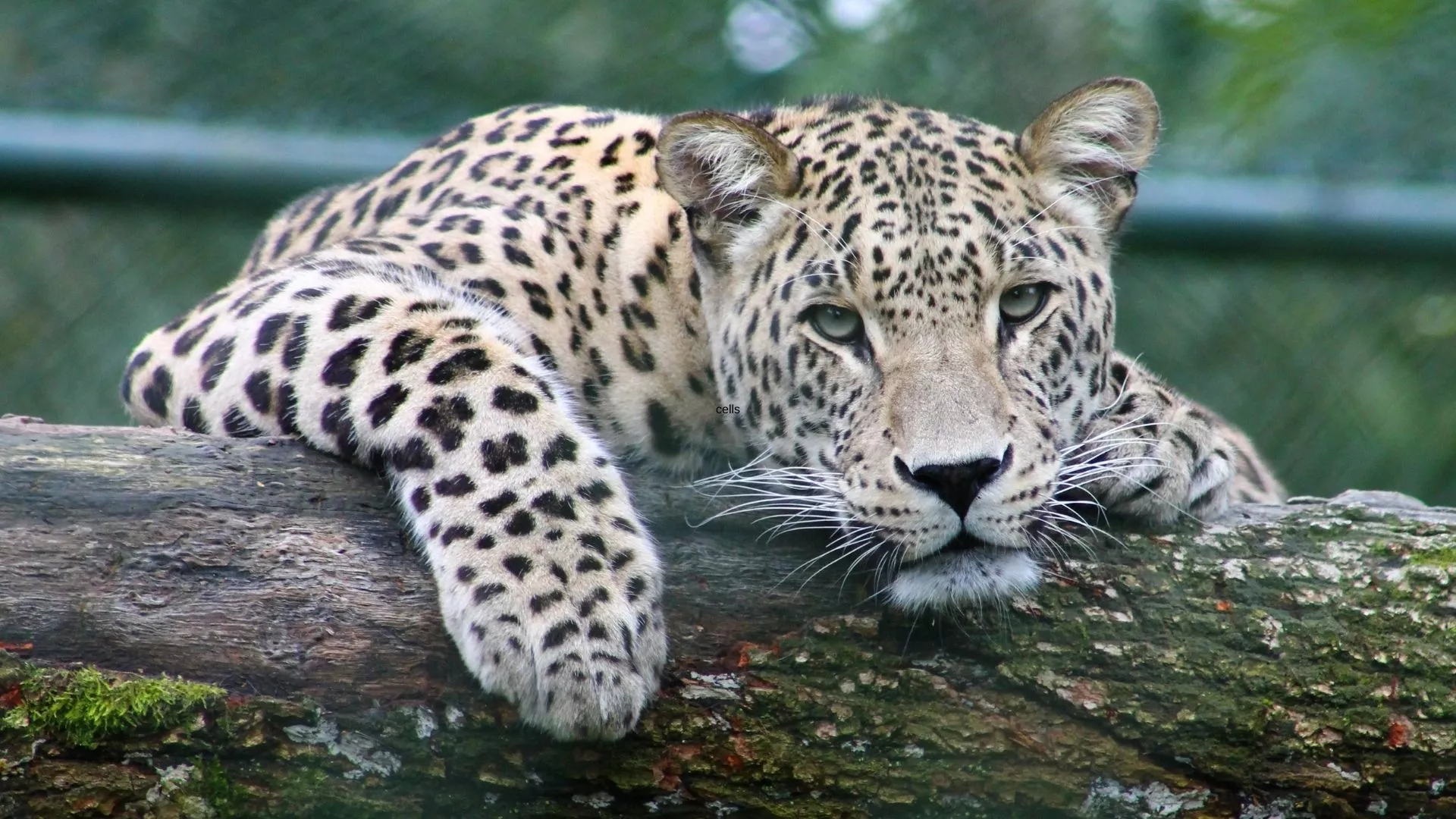
There are different groups of animals. One way to classify or group animals is by taking a look at their physical characteristics. Animals can be vertebrates (have a backbone) or invertebrates (have no backbone)
The Animal Kingdom | Topics
Collapse
Expand
Toggle Filters

Filter By:

Clear Filters

Grade Levels

close

Grade

Resource Type

close

Resource Type

Downloadable Content

close

Downloadable Content
The Animal Kingdom | Topics
Collapse
Expand
 Sandy Island (S.C.) Stop 5 6

Video

Grades

  • 3
  • 4
  • 5
  • 6
  • 7
  • 8
  • 9
  • 10
  • 11
  • 12
Sandy Island (S.C.) Stop 5
Episode 6
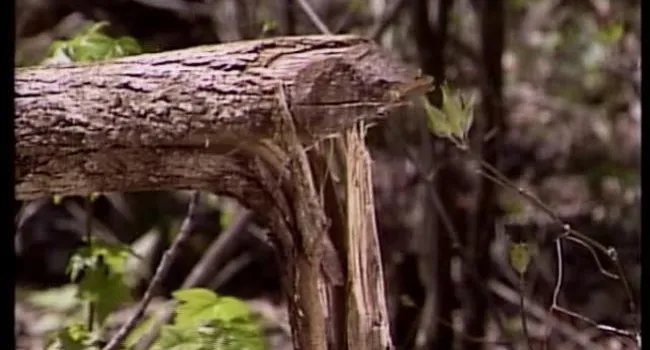
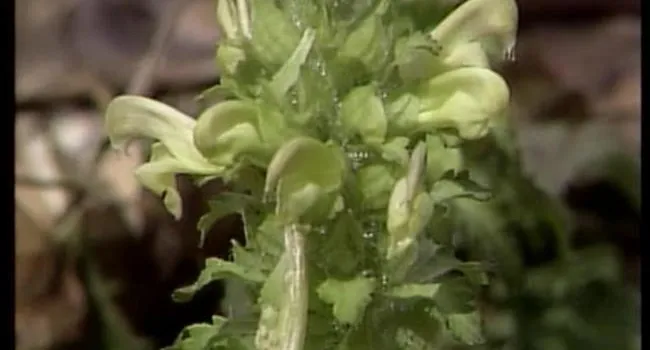
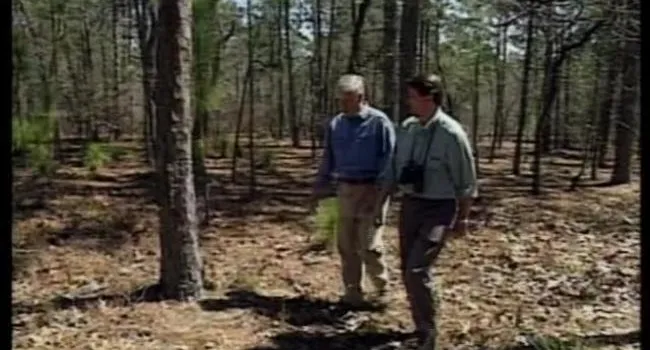
Rudy and Jim walk through a longleaf pine habitat, and come across a loblolly pine with a red-cockaded woodpecker nest. We also see Turkey oak trees, and yellow jessamine flowers. The yellow jessamine...
 Sandy Island (S.C.) Stop 7 8

Video

Grades

  • 3
  • 4
  • 5
  • 6
  • 7
  • 8
  • 9
  • 10
  • 11
  • 12
Sandy Island (S.C.) Stop 7
Episode 8
In this next area, Rudy and Jim come across a raccoon skull, which was most likely killed by a predator. A canebrake rattlesnake rests coiled up on a bed of leaves, showing how it perfectly blends in...
 Sandy Island (S.C.) Stop 8 10

Video

Grades

  • 3
  • 4
  • 5
  • 6
  • 7
  • 8
  • 9
  • 10
  • 11
  • 12
Sandy Island (S.C.) Stop 8
Episode 10
In the same area, we see two white ibis birds. The ibis population in S.C. has increased dramatically since the 1920’s. The eastern cottonmouth is a common species of snake found in the Lowcountry
 Sandy Island (S.C.) Stop 9 11

Video

Grades

  • 3
  • 4
  • 5
  • 6
  • 7
  • 8
  • 9
  • 10
  • 11
  • 12
Sandy Island (S.C.) Stop 9
Episode 11
While strolling through the longleaf pine forest, Rudy and Jim come across a prominent moth. Its color pattern on the wings mimics tree bark near perfectly, making it tougher for predators to spot...
 Little Pee Dee River (S.C.) Stop 6 10

Video

Grades

  • 3
  • 4
  • 5
  • 6
  • 7
  • 8
  • 9
  • 10
  • 11
  • 12
Little Pee Dee River (S.C.) Stop 6
Episode 10
Victoria Bluff gets its name due to the sharp drop down to the shoreline, where at high tide, the Colleton River slowly continues to erode away the edge. Evidence of life is found within the bluffs...
 Little Pee Dee River (S.C.) Stop 3 7

Video

Grades

  • 3
  • 4
  • 5
  • 6
  • 7
  • 8
  • 9
  • 10
  • 11
  • 12
Little Pee Dee River (S.C.) Stop 3
Episode 7
The Southern Toad is a species of amphibian typical to the coastal plain. It is easily distinguishable due to the pair of crests between the eyes. The Long Winged Skimmer, an amber colored dragonfly...
Little Pee Dee River (S.C.) Stop 1 - Ferns, Bull Nettles, And Pocosins
   - Episode 2 Little Pee Dee River (S.C.) Stop 3 6

Video

Grades

  • 3
  • 4
  • 5
  • 6
  • 7
  • 8
  • 9
  • 10
  • 11
  • 12
Little Pee Dee River (S.C.) Stop 3
Episode 6
Still in an area close to the coast, we see different plant life due to the significantly lower levels of salinity. Willow trees grow here, and a Yellow Crowned Night Heron bird has built a nest in a...
Little Pee Dee River (S.C.) Stop 1 - Ferns, Bull Nettles, And Pocosins
   - Episode 2 Little Pee Dee River (S.C.) Stop 5 9

Video

Grades

  • 3
  • 4
  • 5
  • 6
  • 7
  • 8
  • 9
  • 10
  • 11
  • 12
Little Pee Dee River (S.C.) Stop 5
Episode 9
In areas known as lime sinks, plants get more moisture and sunlight. Some of the plant life we see here are horse sugar plants, holly bushes, and lizard’s tail plants. While in the lime sink, Rudy and...
 Little Pee Dee River (S.C.) Stop 2 4

Video

Grades

  • 3
  • 4
  • 5
  • 6
  • 7
  • 8
  • 9
  • 10
  • 11
  • 12
Little Pee Dee River (S.C.) Stop 2
Episode 4
The Osprey, one of the species of birds found in this area, has repurposed a dead oak tree by building a nest on top of it. The Osprey reuses its same nest year after year.
 Little Pee Dee River (S.C.) Stop 4 8

Video

Grades

  • 3
  • 4
  • 5
  • 6
  • 7
  • 8
  • 9
  • 10
  • 11
  • 12
Little Pee Dee River (S.C.) Stop 4
Episode 8
Canopy trees, such as the Live Oak trees, Southern Magnolia trees, and Pignut Hickory trees compete for sunlight. Rough Green Snakes are a non-poisonous species of snake commonly found in canopy trees...