Wood Working Tools | Historic Brattonsville

More in this Series

Let's Go! / Historic Brattonsville / II: Buildings & Artifacts

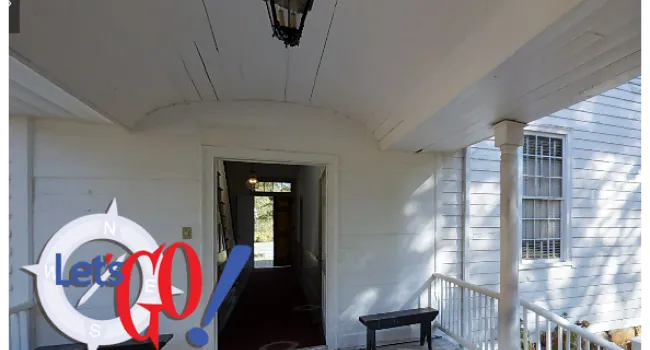
3D VR - Historic Brattonsville Homestead House | Let's Go

Interactive

Grades

  • 3
  • 4
  • 5
  • 6
  • 7
  • 8
  • 9
  • 10
  • 11
  • 12
3D VR - Historic Brattonsville Homestead House | Let's Go
Homestead House was built in 1823-1826 by Dr. John Simpson Bratton, son of William and Martha Bratton. In the early 19th century, William Bratton’s son, Dr. John Bratton, inherited the estate. He was...
Work Barn & Small Corn Crib | Historic Brattonsville

Photo

Grades

  • 3
  • 4
  • 5
  • 6
  • 7
  • 8
  • 9
  • 10
  • 11
  • 12
Work Barn & Small Corn Crib | Historic Brattonsville
Episode 14
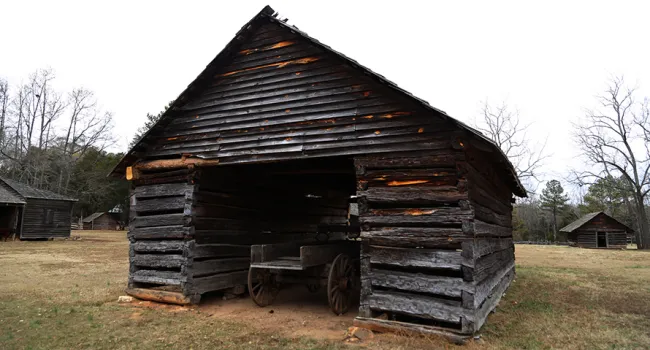
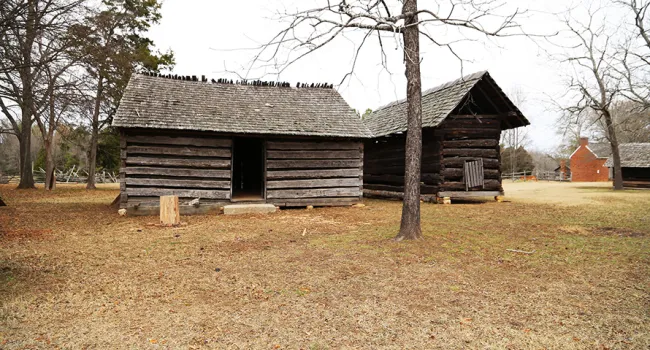
Left : Work Barn Right: Small Corn Crib for storing corn. After harvesting the corn, it would be left in the crib to dry with the shucks still on. After it dried out and the shucks were removed, it...
Homestead House | Historic Brattonsville

Photo

Grades

  • 3
  • 4
  • 5
  • 6
  • 7
  • 8
  • 9
  • 10
  • 11
  • 12
Homestead House | Historic Brattonsville
Episode 20
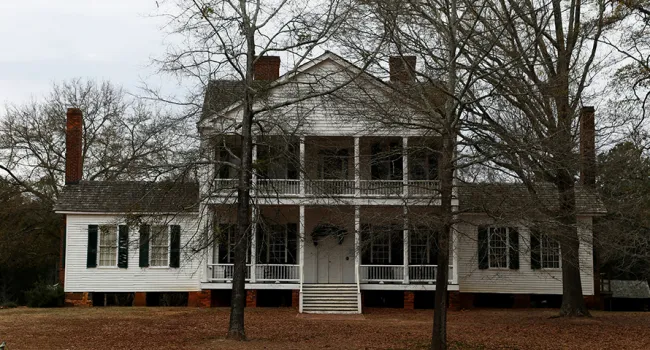
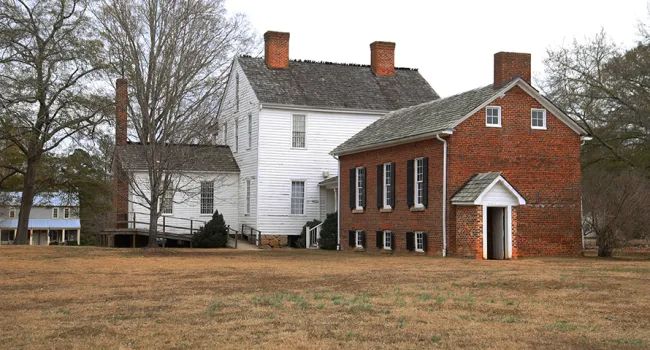
The Homestead House was built between 1823 and 1826. This is where Dr. John Bratton and his family resided. He was a physician, as well as a farmer, and his success in agriculture, growing grains and...
Assembly/Dining Hall | Historic Brattonsville

Photo

Grades

  • 3
  • 4
  • 5
  • 6
  • 7
  • 8
  • 9
  • 10
  • 11
  • 12
Assembly/Dining Hall | Historic Brattonsville
Episode 22
The exterior of the Assembly/Dining Hall. It was used for formal dinners, parties, recitals, and dances. This addition to the house stood as a sign of their wealth and status in the community.
Cellar Beneath Assembly Hall | Historic Brattonsville

Photo

Grades

  • 3
  • 4
  • 5
  • 6
  • 7
  • 8
  • 9
  • 10
  • 11
  • 12
Cellar Beneath Assembly Hall | Historic Brattonsville
Episode 24
Below the Assembly Hall is the cellar, which acted as a central storage and work area, and was used for food preparation. A dumb waiter was used to bring items from the cellar to the dining room.
Brick Kitchen for Homestead | Historic Brattonsville

Photo

Grades

  • 3
  • 4
  • 5
  • 6
  • 7
  • 8
  • 9
  • 10
  • 11
  • 12
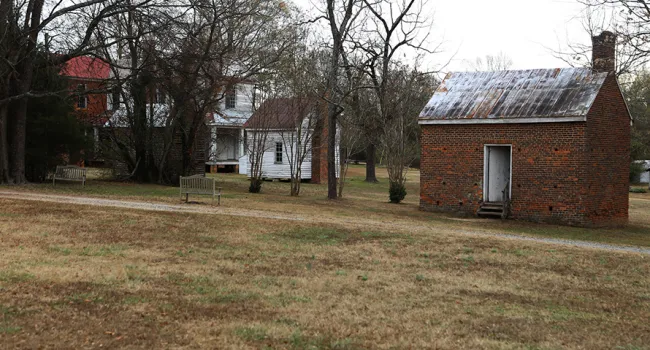
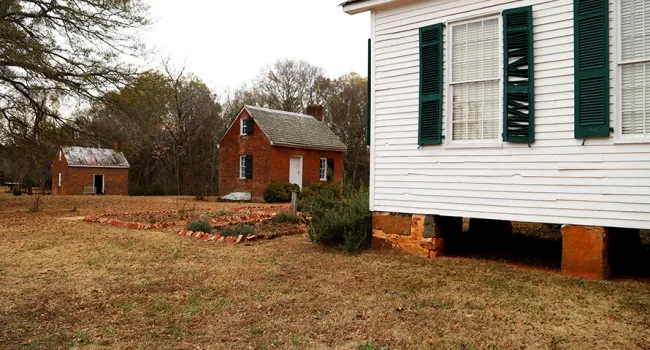
Brick Kitchen for Homestead | Historic Brattonsville
Episode 25
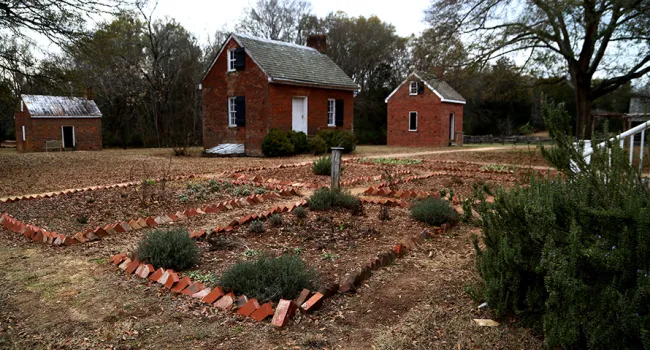
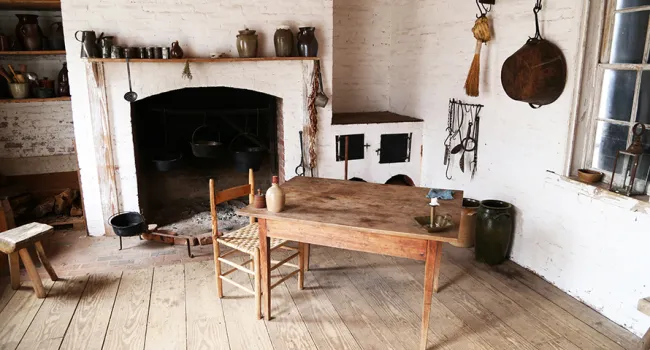
This was the main food preparation area for the Homestead. Food would be prepared and carried over. This was typical during this time period, in order to prevent fires. Be sure to view the 3D Virtual...
Brick House & Remains of Store | Historic Brattonsville

Photo

Grades

  • 3
  • 4
  • 5
  • 6
  • 7
  • 8
  • 9
  • 10
  • 11
  • 12
Brick House & Remains of Store | Historic Brattonsville
Episode 30
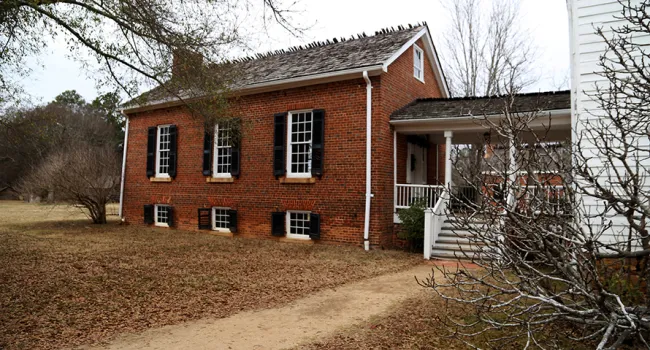
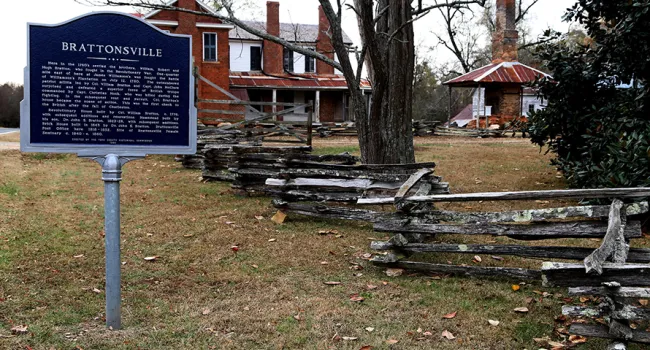
To the right of the historical marker is the Brick House, the last of the original Bratton Plantation buildings, constructed between 1843 and 1845. To the right of that are the remnants of the Bratton...

Let's Go! / Historic Brattonsville / III: Daily Life

Cotton Gin | Historic Brattonsville

Photo

Grades

  • 3
  • 4
  • 5
  • 6
  • 7
  • 8
  • 9
  • 10
  • 11
  • 12
Cotton Gin | Historic Brattonsville
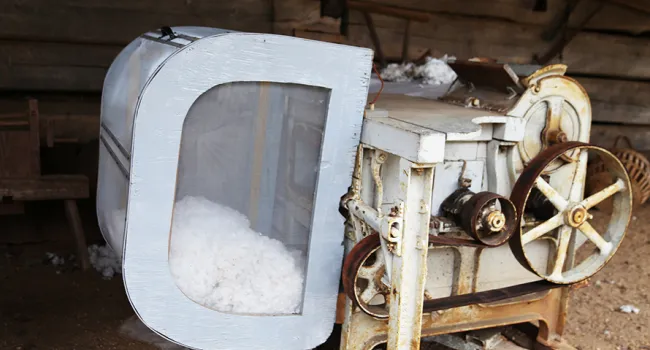
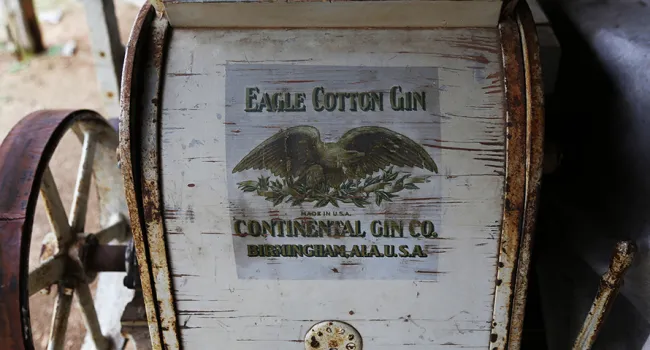
A cotton gin was used to clean the cotton, removing the seeds and stems Did you know that the word "gin," as in cotton gin, was an abbreviation for the word "engine"?
Cotton | Historic Brattonsville

Photo

Grades

  • 3
  • 4
  • 5
  • 6
  • 7
  • 8
  • 9
  • 10
  • 11
  • 12
Cotton | Historic Brattonsville
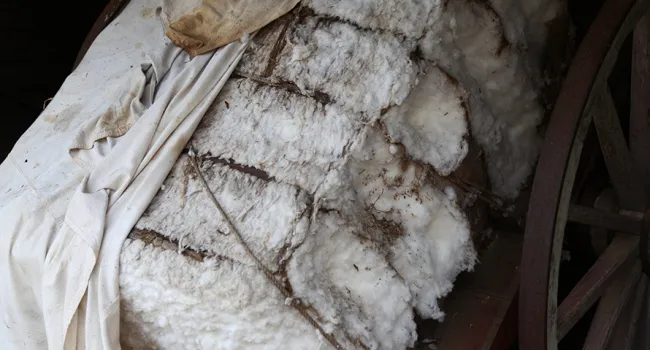
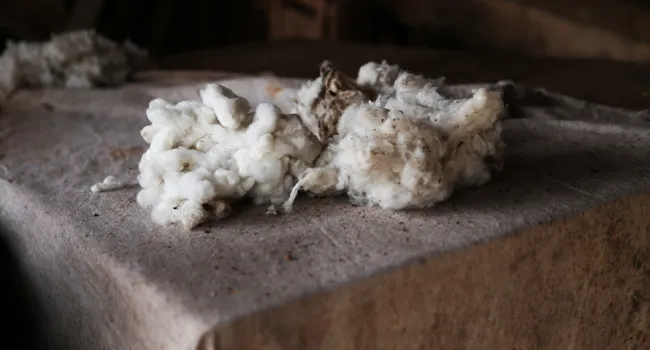
Cotton was a very important cash crop for families like the Brattons, who not only raised grain crops like wheat, oats and corn, but also raised cotton, which gave them the economic capital to...
Spinning Wheel | Historic Brattonsville

Photo

Grades

  • 3
  • 4
  • 5
  • 6
  • 7
  • 8
  • 9
  • 10
  • 11
  • 12
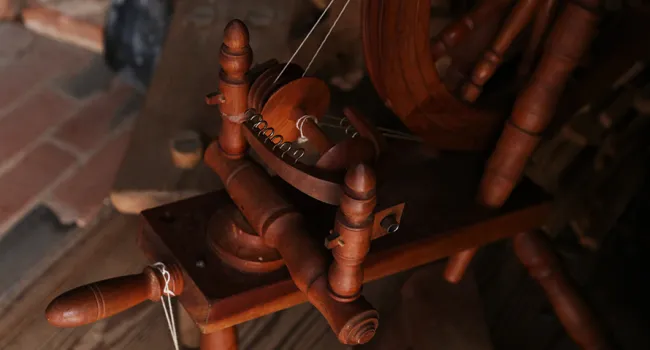
Spinning Wheel | Historic Brattonsville
Spinning wheel used in the 18th century by the Bratton women, and in the 19th century by slaves, as women became more socially active.
3D VR - Historic Brattonsville Homestead House | Let's Go Living History: Made By Hand | Historic Brattonsville 3

Video

Grades

  • 3
  • 4
  • 5
  • 6
  • 7
  • 8
  • 9
  • 10
  • 11
  • 12
Living History: Made By Hand | Historic Brattonsville
Episode 3
The first Scots-Irish settlers had to be self-sufficient because they were often isolated from other people by distances of miles. Food had to be acquired through gardening, herding and hunting. Cloth...
Brick Kitchen for Homestead | Historic Brattonsville

Photo

Grades

  • 3
  • 4
  • 5
  • 6
  • 7
  • 8
  • 9
  • 10
  • 11
  • 12
Brick Kitchen for Homestead | Historic Brattonsville
Episode 25
This was the main food preparation area for the Homestead. Food would be prepared and carried over. This was typical during this time period, in order to prevent fires. Be sure to view the 3D Virtual...