Cotton | Historic Brattonsville

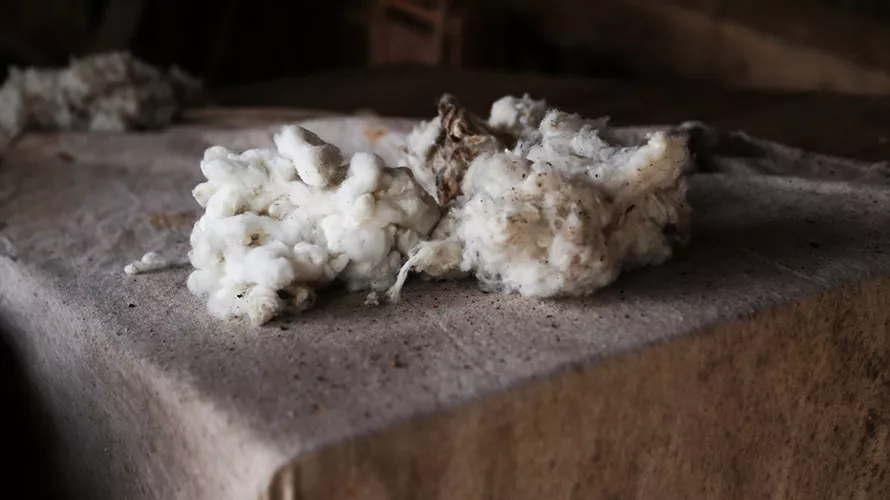
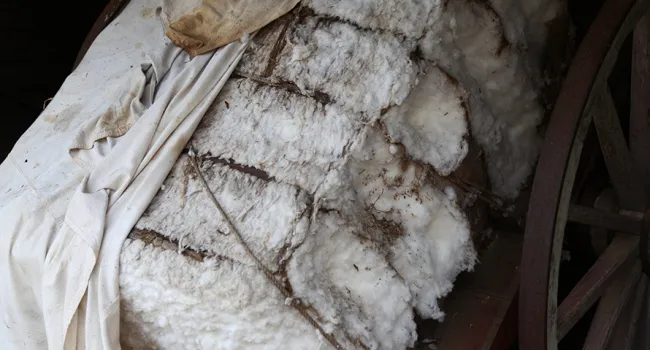
Cotton was a very important cash crop for families like the Brattons, who not only raised grain crops like wheat, oats and corn, but also raised cotton, which gave them the economic capital to continually expand their plantation, purchase more land, grow more cotton, and buy more slaves. William Bratton started with 200 acres in 1766, and when Dr. John S. Bratton died unexpectedly in 1843, he owned about 8,000 acres and had about 139 slaves. He was one of the largest cotton planters in the upcountry. 

Be sure to view the Video Overview. to learn more.
More in this Series

Let's Go! / Historic Brattonsville / III: Daily Life

Cotton Gin | Historic Brattonsville

Photo

Grades

  • 3
  • 4
  • 5
  • 6
  • 7
  • 8
  • 9
  • 10
  • 11
  • 12
Cotton Gin | Historic Brattonsville
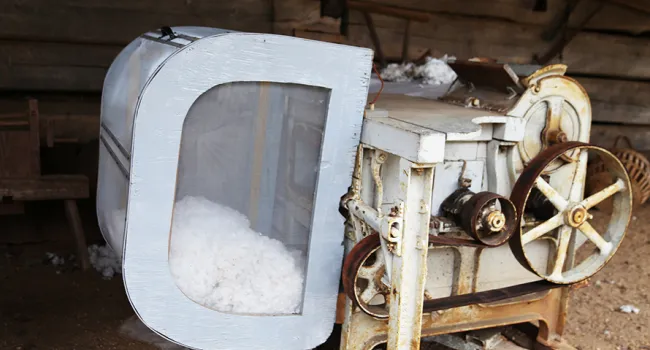
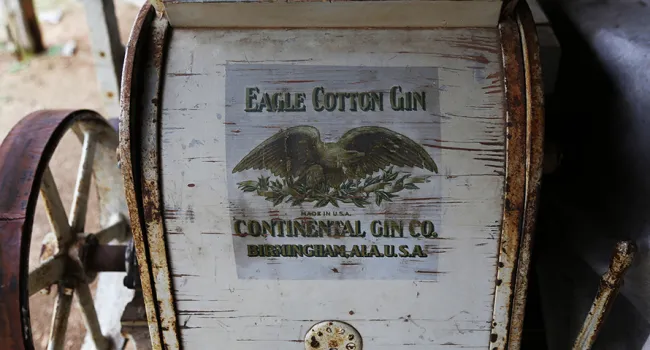
A cotton gin was used to clean the cotton, removing the seeds and stems Did you know that the word "gin," as in cotton gin, was an abbreviation for the word "engine"?
Spinning Wheel | Historic Brattonsville

Photo

Grades

  • 3
  • 4
  • 5
  • 6
  • 7
  • 8
  • 9
  • 10
  • 11
  • 12
Spinning Wheel | Historic Brattonsville
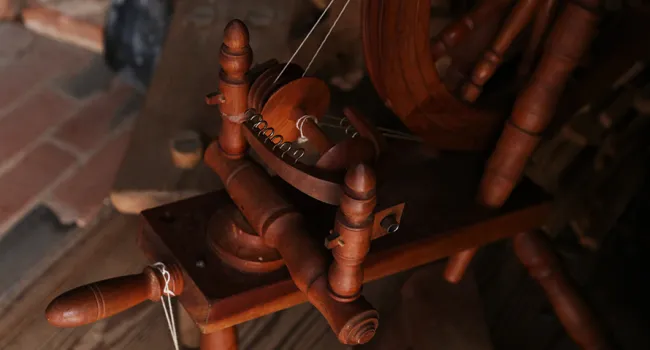
Spinning wheel used in the 18th century by the Bratton women, and in the 19th century by slaves, as women became more socially active.
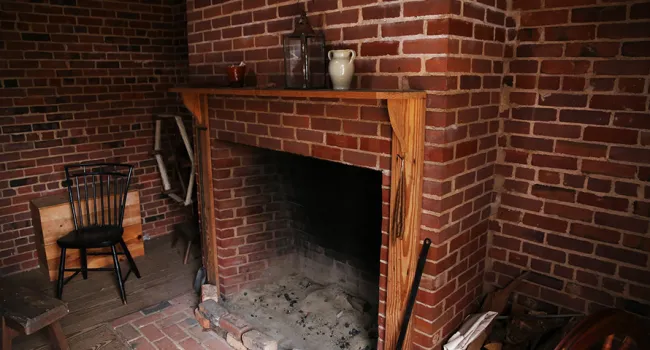
Brick Fireplace in McConnell Cabin | Historic Brattonsville
   - Episode 5 Living History: Made By Hand | Historic Brattonsville 3

Video

Grades

  • 3
  • 4
  • 5
  • 6
  • 7
  • 8
  • 9
  • 10
  • 11
  • 12
Living History: Made By Hand | Historic Brattonsville
Episode 3
The first Scots-Irish settlers had to be self-sufficient because they were often isolated from other people by distances of miles. Food had to be acquired through gardening, herding and hunting. Cloth...
Brick Kitchen for Homestead | Historic Brattonsville

Photo

Grades

  • 3
  • 4
  • 5
  • 6
  • 7
  • 8
  • 9
  • 10
  • 11
  • 12
Brick Kitchen for Homestead | Historic Brattonsville
Episode 25
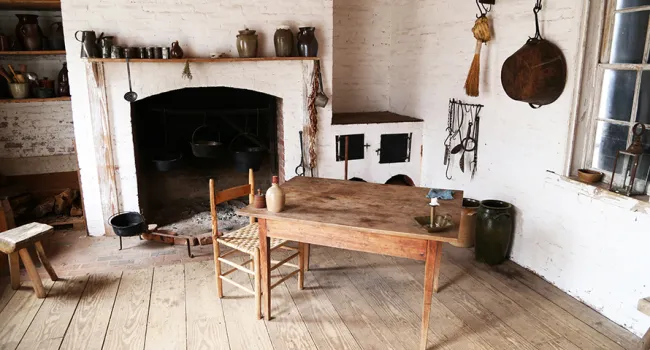
This was the main food preparation area for the Homestead. Food would be prepared and carried over. This was typical during this time period, in order to prevent fires. Be sure to view the 3D Virtual...