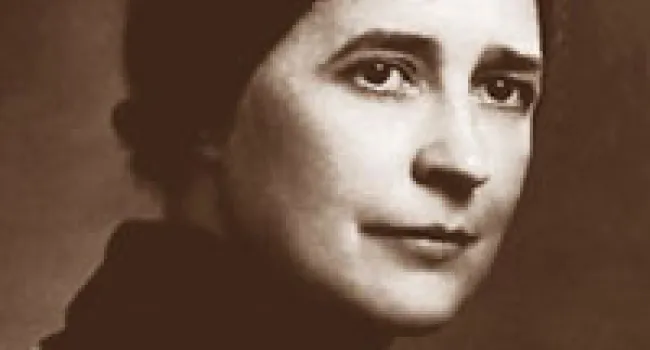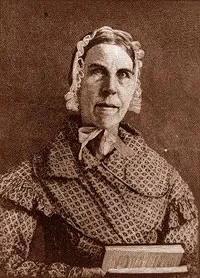
Abolitionist Sarah Grimké was born into a wealthy slaveholding Charleston family in 1792. After experiencing the injustices of slavery firsthand, she became a noted speaker for the antislavery movement at a time when women were often discouraged from speaking in public.
As a child, Sarah was prohibited from pursuing the kind of education and experiences available to boys. Her mother believed, "All a Southern lady needs to know is a little needlework, a little music and a little dancing -otherwise she might strain her feminine mind.' Sarah's mind was exactly what she wanted to explore. For escape, she wrote in diaries and taught classes to slave children. When her father found out that she wanted to teach the slaves to read, she was told it was against the law. She also witnessed physical and mental cruelty toward the slaves in her community, a sight that affected her deeply. Sarah began looking for ways to make change.
In 1819, Sarah's father became ill and had to go to Philadelphia for medical care. During the trip up north, Sarah became friends with a group of Quakers. The Quakers were abolitionists who spoke out against slavery. When Sarah returned, she decided that she, too, believed in the Quakers' ways. Against her family's objections, Sarah packed her bags and left Charleston in the 1820s to become a Quaker.
When Sarah left Charleston, she left behind her beloved younger sister, Angelina. Angelina also believed in abolition and Sarah convinced her to move north and become a Quaker. Together, they became active in the Quakers' efforts to abolish slavery. Unfortunately, the outspoken sisters found that the Quaker group discouraged women from speaking publicly about the cause. Against the wishes of their Quaker group, the sisters began writing and speaking publicly against slavery.
Sarah and Angelina traveled to over 60 cities giving fiery antislavery speeches. Their public appeals for abolition were unique because the sisters were white southerners raised in a wealthy slave-owning family. Because they were women who insisted on speaking in public, they often met the disapproval of men and women alike. Many women defied their husbands' orders to attend the Grimkés' rallies. Because of the problems posed by being a female and speaking in public, Sarah began to appeal for the equal rights of men and women. She compared the restricted lives of women in the 1800s to those of slaves. She believed that, without the right to vote, speak out, or attain a higher education, women were not "free." Her writing and lectures on equal rights set the stage for the women's rights movement
Standards
- This indicator was developed to encourage inquiry into how land acquisition and the resulting border changes of the U.S. impacted the people of the western territories prior to Westward Expansion.
- 8.3.CC Analyze debates and efforts to recognize the natural rights of marginalized groups during the period of expansion and sectionalism.