Cecil Williams SC Civil Rights Museum Scavenger Hunt

Scavenger Hunt for the Cecil Williams South Carolina Civil Rights Museum
Essential Question
Through his photographs, what story does Cecil Williams share about the Civil Rights Movement?
Grade(s):
- 5
- 8
- 9
- 10
- 11
Subject(s):
Recommended Technology:
Laptop/Chromebook
Other Instructional Materials or Notes:
Lesson Progression
Students will complete a scavenger hunt of the virtual museum or may visit the Cecil Williams South Carolina Civil Rights Museum in Orangeburg, SC.
Students should answer the questions and take pictures by taking a screenshot on their computers.
Students should answer the questions and take pictures as they respond to the clues. The images taken should be organized and labeled before submitting.
Teacher Notes
It is recommended that students view The World of Cecil Documentary first.
Introduction into the Life of Cecil Williams | The World of Cecil
Embark on a journey through the remarkable life of Cecil Williams, the acclaimed civil rights photographer from Orangeburg, South Carolina. Over 70 years of capturing pivotal moments in the Civil...
View AssetBriggs v. Elliott | The World of Cecil
This segment explores the early 1950s and the significant role South Carolina, particularly Clarendon County, played in the civil rights movement. It discusses Thurgood Marshall's arrival in South...
View AssetThe Orangeburg Freedom Movement | The World of Cecil
This video covers the events in Orangeburg during the summer of 1955. The local branch of the NAACP formulated a petition requesting the desegregation of schools in line with the 1954 Brown v. Board...
View AssetStudent Protests | The World of Cecil
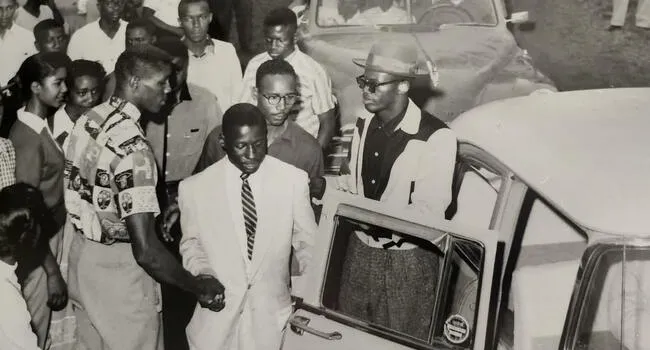
Part 4 showcases the role of Orangeburg in the Civil Rights Movement and the influence of Dr. Martin Luther King Jr.'s nonviolent resistance. Students in Orangeburg actively participated in marches...
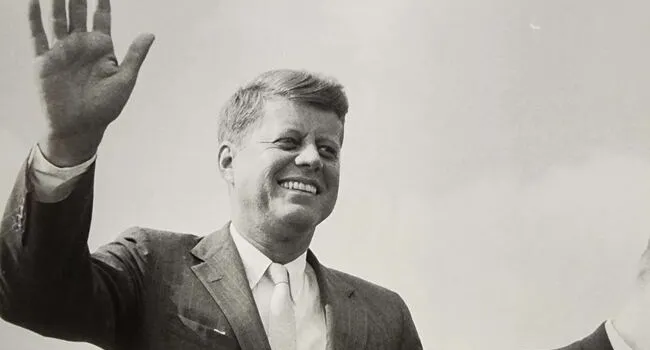
View AssetCecil and John F. Kennedy | The World of Cecil
This chapter focuses on Cecil Williams' fascinating encounter with John F. Kennedy before he became President. When Kennedy was making an announcement at the Roosevelt Hotel, Cecil, a photographer for...
View AssetThe Pink Palace | The World of Cecil
The sixth segment delves into the historical student protest in Orangeburg, South Carolina, in 1960. The movement, inspired by the Greensboro sit-ins, featured students from Claflin and South Carolina...
View AssetEdwards v. South Carolina | The World of Cecil
Governor Fritz Hollings opposed protests at the State Capitol in South Carolina. The pivotal Edwards vs. South Carolina case arose from a 1961 civil rights demonstration against segregation. James...
View AssetClemson University's Integration | The World of Cecil
This segment provides insight into Cecil Williams' early aspirations and his remarkable photography during pivotal moments of desegregation at Clemson University and the University of South Carolina...
View AssetThe Orangeburg Massacre | The World of Cecil
In the final segment of The World of Cecil: Part One, the documentary recounts events from 1968 when students from South Carolina State University, led by John Stroman, attempted to desegregate the...
View AssetThe Charleston Hospital Strike | The World of Cecil
The first segment of The World of Cecil: Part Two focuses on a labor strike in Charleston, South Carolina, in 1969, where hospital workers, predominantly Black women, were fighting for fair pay and...
View AssetElloree | The World of Cecil
This segment focuses on the actions of the state legislature in South Carolina, led by Governor George Bell Timmerman, to pass laws making it illegal to belong to the NAACP. Teachers in Elloree...
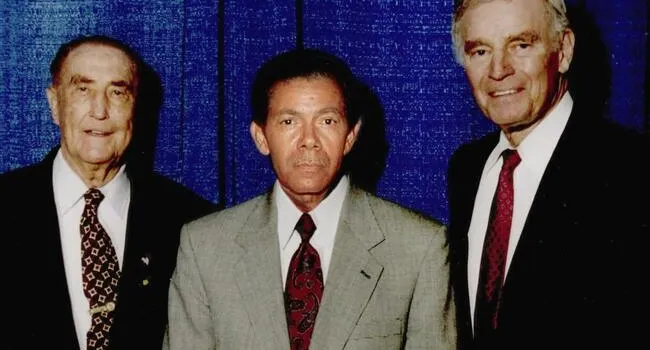
View AssetCecil and Strom | The World of Cecil
This chapter explores the complex relationship between Cecil Williams and Strom Thurmond, a prominent figure in South Carolina politics with a history of segregationist policies. Cecil Williams, who...
View AssetDocumenting the Removal of the Confederate Flag | The World of Cecil
As a photographer, Cecil Williams documented critical moments in the civil rights history of South Carolina. Through his photography, he captured significant images of the statehouse with its evolving...
View AssetArt Architecture Invention | The World of Cecil
Cecil's frustration with racial barriers in his dream of becoming an architect fueled his innovative spirit. He embarked on a journey of self-learning, eventually designing houses, including one with...
View AssetCecil Williams and the SC Civil Rights Museum | The World of Cecil
Cecil Williams's SC Civil Rights Museum is a significant archive of civil rights history, preserving photographs and artifacts from the movement. Cecil Williams took on the role of curator, sharing...
View AssetFinal Chapter | The World of Cecil
Cecil's career and life are described as essential in helping people understand the history, the sacrifices, and the victories of the movement. His dedication and ability to capture powerful moments...
View AssetThe World Of Cecil Part One Viewing Guide
This resource was created to engage students in the viewing of "The World of Cecil"documentary. This guide covers part one of the series.
View LessonThe World of Cecil Part Two Viewing Guide
This resource was created to engage students in the viewing of "The World of Cecil"documentary. This guide covers part two of the series.
View LessonStandards
- 5.4.CE Analyze the causes and impacts of social movements in the U.S. and South Carolina.
- 8.5.CX Analyze the correlation between the Modern Civil Rights Movement in South Carolina and the U.S.
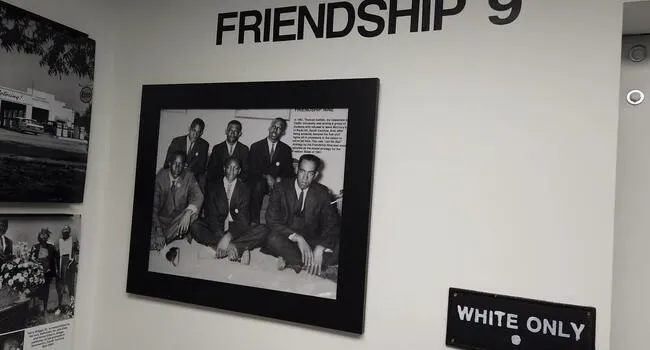
- This indicator was designed to foster inquiry into the role of South Carolina in the Modern Civil Rights Movement, to include the influence of court cases such as Briggs v. Elliot and Flemming v. South Carolina Electric and Gas. This indicator was also developed to promote inquiry into the relationship between national leadership, protests, and events and South Carolina leadership, protests and events, such as the Friendship Nine and the Orangeburg Massacre.
- MWH.5.CX Examine the Holocaust and its aftermath in providing the context for subsequent developments in international efforts to recognize and protect human rights.
- USHC.5.CC Evaluate continuities and changes during the Civil Rights Movement and other subsequent movements for equal rights.
- This indicator was developed to promote inquiry into thematic continuities and changes into how marginalized groups sought and won legal rights. Inquiry into the leadership, methods, and outcomes of modern equal rights movements are supported by this indicator.