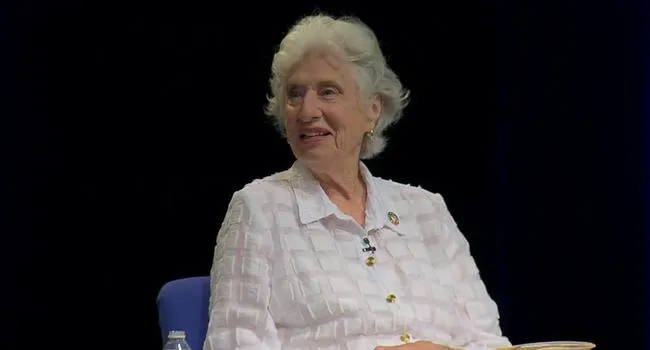
Students can use this document to compare and contrast the Rollins Sisters and the Grimké Sisters while viewing both videos.
Standards
- 5.1.CX Contextualize how the Second Industrial Revolution led to an increased desire for raw materials and the United States involvement in imperialistic efforts and economic expansion.
- 5.2.CX Contextualize the post-war economic climate on the cultural landscape throughout the United States and South Carolina.
- 8.3.CC Analyze debates and efforts to recognize the natural rights of marginalized groups during the period of expansion and sectionalism.
- This indicator was designed to encourage inquiry into the continuities and changes of the experiences of marginalized groups such as African Americans, Native Americans and women, as the U.S. expanded westward and grappled with the development of new states.
- 8.4.CO Compare perspectives toward reform that engaged during the Progressive Era.
- This indicator was designed to encourage inquiry into how new state and federal Progressive legislation affected individuals and businesses in South Carolina and the US. The indicator was designed to promote inquiry into the new perspectives that emerged regarding social and political change.
- 8.4.CX Evaluate South Carolinians’ struggle to create an understanding of their post-Civil War position within the state, the country, and the world.
- This indicator was developed to encourage inquiry into how the former planter class, African Americans, women, and others adjusted to, gained, lost, and/or regained position and status during Reconstruction. This indicator was also written to foster inquiry into how South Carolina worked with a stronger federal government and expanding international markets.
Resources
Grimké Sisters
The students will learn about the Grimke Sisters and their importance in history.
View LessonRollin Sisters
The students will learn about the importance of the Rollin Sisters in history.
View LessonThe Grimké Sisters Through The Civil War
Sarah and Angelina Grimké worked tirelessly for both abolition, and women’s suffrage. The Grimké sisters were the first to say, in print, that women deserved to live alongside men with an equal...
View AssetThe Grimké Sisters Through The Civil War
The Grimké sisters ran afoul of the Quakers as they embraced abolition and engaged in anti-slavery activities without permission. Angelina Grimké wrote a letter to abolitionist William Lloyd Garrison...
View AssetThe Grimké Sisters Through The Civil War
The pastoral letters, meant to crack down on the Grimké sisters’ activities, had the opposite effect. The Grimkés continued to grow in popularity, and their letters on women’s rights were among the...
View AssetThe Grimké Sisters Through The Civil War
After the burning of Pennsylvania Hall, in Philadelphia, the Welds, along with Sarah Grimké, retreated to a farm in Belleville, New Jersey, where in 1839, the three produced a compendium on American...
View AssetThe Rollin Sisters | Sisterhood: SC Suffragists
Frances Rollin was propelled into the national spotlight with the Pilot Boy steamship incident, in Charleston, South Carolina, where the captain refused her service due to the color of her skin...
View AssetThe Rollin Sisters | Sisterhood: SC Suffragists
The Civil War brought an abrupt change to the Rollin Family, ending a period where, according to Frances Rollin, “free people of color were at the zenith of their prosperity”. The Rollin family’s...
View AssetThe Rollin Sisters | Sisterhood: SC Suffragists
During this period, there were many people, including African Americans, who felt the issue of women’s suffrage was much less important than civil rights for Blacks. In the 1868 Constitutional...
View AssetThe Rollin Sisters | Sisterhood: SC Suffragists
The South Carolina Woman Suffrage Association was founded in Columbia in 1870, with Charlotte Rollin as the Chair. A charter is created and sent to Lucy Stone, one of the founders of the American...
View AssetThe Rollin Sisters | Sisterhood: SC Suffragists
The Rollin Sisters are essentially silenced after Reconstruction, and are forced to move away from South Carolina due to the increasing violence by “Red Shirts”, and Ku Klux Klan members. In the fight...
View Asset