James Brown | Digital Traditions

James Brown was born in 1933 in Barnwell, SC, where he spent his early childhood. He developed his interest in music at an early age, performing gospel songs and first playing piano and later bass and drums. By his teens, Brown joined a gospel quartet known as the Gospel Starlighters. Inspired by the growing popularity of rhythm and blues, Brown and fellow band-mate Bobby Byrd formed James Brown and His Famous Flames. Their signature song from 1959, "Please, Please, Please" led Brown to national attention. By 1962, Brown recorded his classic album "Live at the Apollo," which is rich in the call and response, shouting, and groaning style of the African American sermonic tradition. It clearly struck a chord with listeners, selling a million copies.

Brown's most famous music style, called "funk," plays heavily with traditional African American secular music forms, placing emphasis on the downbeat and taking traditional music to new levels.

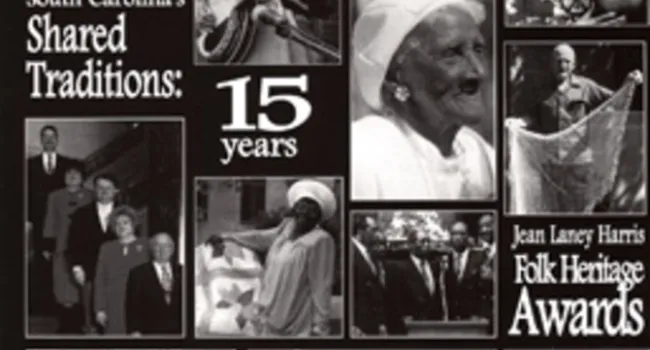
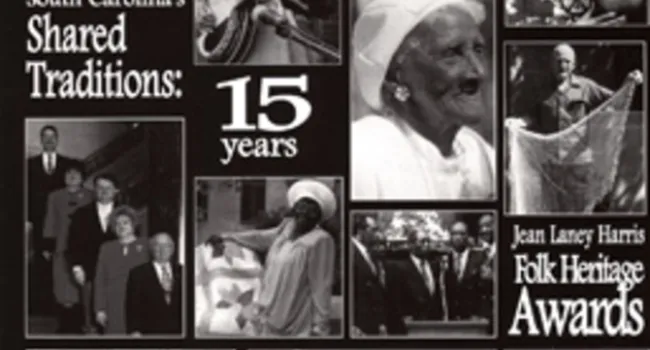
Having journeyed far from his beginnings in rural South Carolina, achieving national and international popularity through music deeply rooted in African-American sacred and secular traditions, Brown returned home to South Carolina. The same strong heritage of traditional music and culture that provided a basis for his fame became a force that called Brown home. Brown passed away in 2006. He received the Jean Laney Harris Folk Heritage Award in 2002.
More in this Series

Digital Traditions

About the Digital Traditions Project

Document

About the Digital Traditions Project
What is the Folklife Resource Center? Established in 1985, the Folklife Resource Center (FRC) at McKissick Museum focuses on documenting South Carolina traditional culture. The preservation and...
Bill Kinney, Jr. | Digital Traditions

Document

Grades

  • 6
  • 7
  • 8
  • 9
  • 10
  • 11
  • 12
Bill Kinney, Jr. | Digital Traditions
Bill Kinney was born and raised in Bennettsville, South Carolina, where his parents were publishers of the local newspaper. Today, Kinney follows in the footsteps of his parents, serving as the editor...
Digital Traditions - Artists

Document

Grades

  • 3
  • 4
  • 5
  • 6
  • 7
  • 8
  • 9
  • 10
  • 11
  • 12
Digital Traditions - Artists
Ahrens, Pat All Male Chorus of Blacksburg Arnold, Mac Ayers, Sara Basket, Nancy Baylor, Amos Bellow, Roger Bennett, Mary Jane Benson, JD Blackwell, Richard Boggs, Horatio Manning Bollack, James Booker...
Digital Traditions - Credits

Document

Digital Traditions - Credits
Digital Traditions is a public access initiative for folklife & material culture curated by the Folklife Resource Center (FRC) at McKissick Museum. For further information about any of the artists...
Digital Traditions - Teacher Resources

Document

Grades

  • 6
  • 7
  • 8
  • 9
  • 10
  • 11
  • 12
Digital Traditions - Teacher Resources
About The Materials The Educator Guides listed below were published to introduce teachers and students in the K-12 community to some of the rich South Carolina folklife traditions. These resources are...
La Llorona  | Digital Traditions Old Black Dog | Digital Traditions

Audio

Grades

  • 6
  • 7
  • 8
  • 9
  • 10
  • 11
  • 12
Old Black Dog | Digital Traditions
A song from "Heritage Corridor: Traditional Music from the South Carolina Heritage Corridor": Old Black Dog.
La Llorona  | Digital Traditions Steamboat | Digital Traditions

Audio

Grades

  • 6
  • 7
  • 8
  • 9
  • 10
  • 11
  • 12
Steamboat | Digital Traditions
A song from "Heritage Corridor: Traditional Music from the South Carolina Heritage Corridor": Steamboat