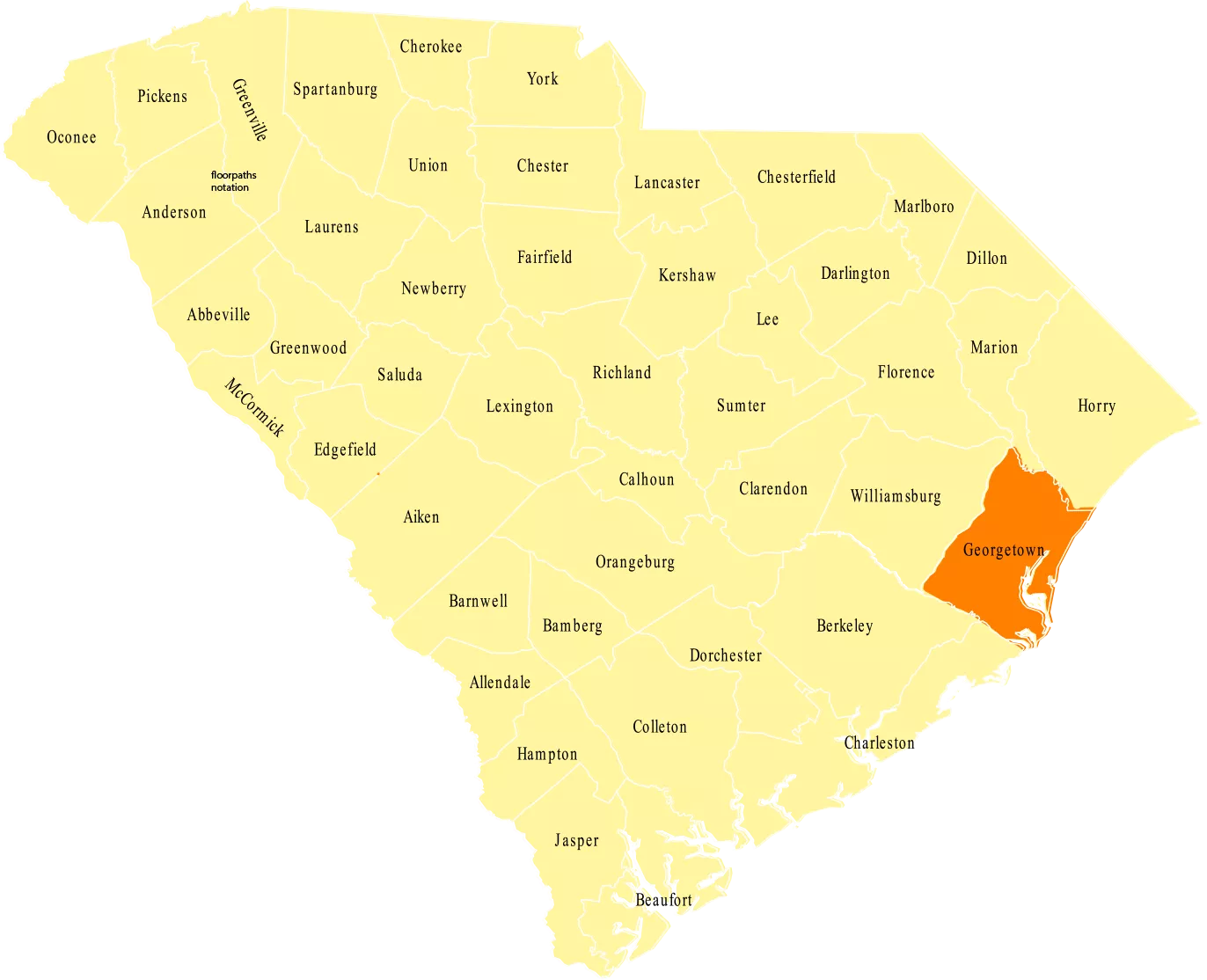
Georgetown

Although a number of Native American tribes already lived in the area and the Spanish had visited, English planters and their African slaves were the first to settle what is now known as Georgetown County.

Although a number of Native American tribes already lived in the area and the Spanish had visited, English planters and their African slaves were the first to settle what is now known as Georgetown County. In 1769 Prince Frederick, All Saints, and Prince George parishes were combined, resulting in Georgetown District. In 1785 the district split into four counties including Winyah County. Winyah County would later be renamed Georgetown County in honor of King George II. Despite the approval of the British that this name suggests, Francis Marion regularly engaged in guerilla warfare from the county’s marshes during the Revolutionary War.

A coastal location has always served as a large source of wealth for Georgetown County. The location favored the growth of plantation crops, especially cotton and Indigo. In fact, Indigo planters became so affluent that they became their own level of high society known formally as the “Winyah Indigo Society.” Later, rice took over and became the crop of choice for Georgetown County plantation owners, but Indigo plants still grow wild in the area. Furthermore, the Georgetown Port, in the county seat of Georgetown, became such a source of income that pirates plagued the county’s coast.

Today one can easily observe a connection between Georgetown County’s past and its future. The African slaves brought over by British planters to farm cotton, Indigo, and rice have preserved the Gullah culture throughout the generations. This culture is especially evident on Sandy Island. Georgetown’s port still anchors the county’s economy. The county’s historical significance, coastal location, beach towns, and nature preserves make it a popular tourism destination.

Georgetown County, A Brief History. Accessed June 03, 2016.
http://www.georgetowncountysc.org/about/history.html
 

Content Type
Painting Of Georgetown | History Of SC Slide Collection

Photo

Grades

  • 3
  • 4
  • 5
  • 6
  • 7
  • 8
  • 9
  • 10
  • 11
  • 12
Painting Of Georgetown | History Of SC Slide Collection
Episode 1
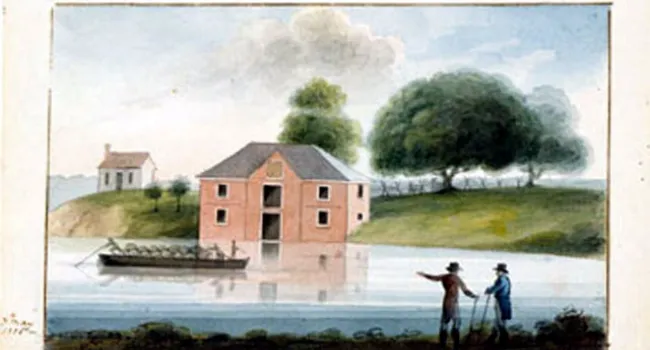
This aerial view of Georgetown was painted by Harper Bond as part of the display for the Georgetown booth at the Charleston Exposition of 1902 (see The Palace Of Commerce) Established in 1735 at the...
 When Rice Was King (12): Slave Treatment And Resistance 12

Video

Grades

  • 3
  • 4
  • 5
  • 6
  • 7
  • 8
  • 9
  • 10
  • 11
  • 12
When Rice Was King (12): Slave Treatment And Resistance
Episode 12
Plantation owners demanded more than just obedience from their slaves. They also demanded things like loyalty, respect, love, and duty. Whippings, and solitary confinement, were common punishments for...
 When Rice Was King (7): Georgetown 7

Video

Grades

  • 3
  • 4
  • 5
  • 6
  • 7
  • 8
  • 9
  • 10
  • 11
  • 12
When Rice Was King (7): Georgetown
Episode 7
By 1800, Georgetown was known as the land where planters all made fortunes with rice plantations. In 1839, Georgetown alone produced nearly half of America's Rice.
 When Rice Was King (11): Dangers To The Rice Crop 11

Video

Grades

  • 3
  • 4
  • 5
  • 6
  • 7
  • 8
  • 9
  • 10
  • 11
  • 12
When Rice Was King (11): Dangers To The Rice Crop
Episode 11
Several dangers to rice crops included hurricanes, floods from the mountains, and swollen rivers. Damage ranged from minor, to total devastation. Animals, such as rice weevils, crows, and ducks, also...
 When Rice Was King: Intro 1

Video

Grades

  • 8
When Rice Was King: Intro
Episode 1
Before the American Revolution, the 300 mile coast line of South Carolina was known as the "Kingdom of Rice." Charleston was considered the richest city in Colonial America.
 When Rice Was King (14): Decline Of Rice Economy 14

Video

Grades

  • 3
  • 4
  • 5
  • 6
  • 7
  • 8
  • 9
  • 10
  • 11
  • 12
When Rice Was King (14): Decline Of Rice Economy
Episode 14
The Civil War marked the beginning of the decline of rice in South Carolina. Although planters continued growing rice during the Civil War, Georgetown experienced an economic down-turn as a result of...
 When Rice Was King (10): Slave Lifestyle 10

Video

Grades

  • 3
  • 4
  • 5
  • 6
  • 7
  • 8
  • 9
  • 10
  • 11
  • 12
When Rice Was King (10): Slave Lifestyle
Episode 10
An essay called "The Successful Planter," published in 1832, outlined a system of every day life for slaves living on plantations. State law in the 1830s forbade the education of slaves, but many...
 When Rice Was King (5): African Origins Of Rice 5

Video

Grades

  • 3
  • 4
  • 5
  • 6
  • 7
  • 8
  • 9
  • 10
  • 11
  • 12
When Rice Was King (5): African Origins Of Rice
Episode 5
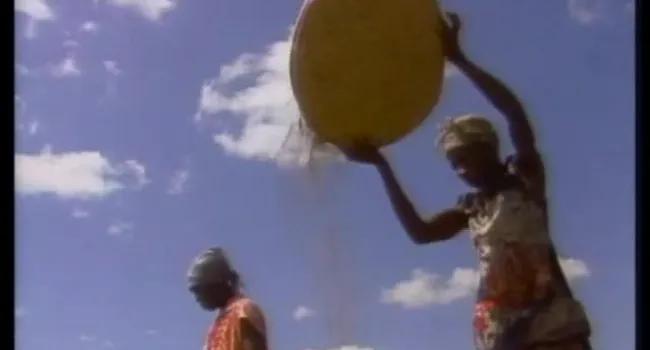
"Saltwater Slaves" brought over from Africa, became highly sought-after, since many of them already had experience growing rice before being brought over to the "New World."
The Pawley's Island Train | History Of SC Slide Collection

Photo

Grades

  • 3
  • 4
  • 5
  • 6
  • 7
  • 8
  • 9
  • 10
  • 11
  • 12
The Pawley's Island Train | History Of SC Slide Collection
Episode 4
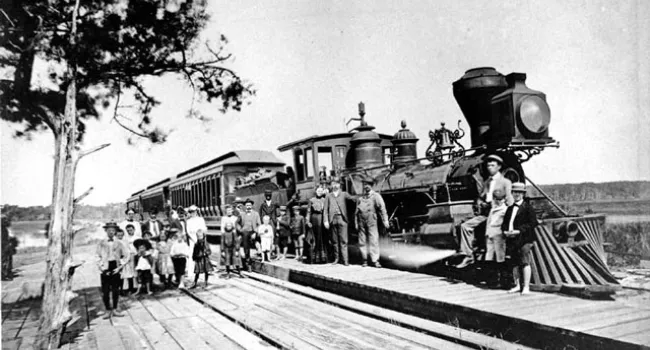
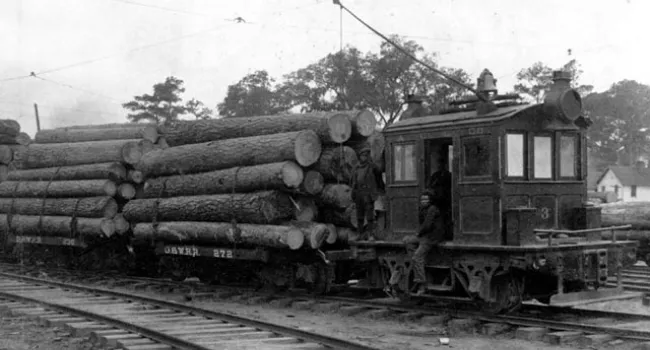
The Atlantic Coast Lumber Company built this railroad to Pawley's Island from Haley Landing on the Waccamaw River in 1902 to make the island resort easier to reach. The causeway to the island was...
The Paper Industry | History of SC Slide Collection

Photo

Grades

  • 3
  • 4
  • 5
  • 6
  • 7
  • 8
  • 9
  • 10
  • 11
  • 12
The Paper Industry | History of SC Slide Collection
Episode 8
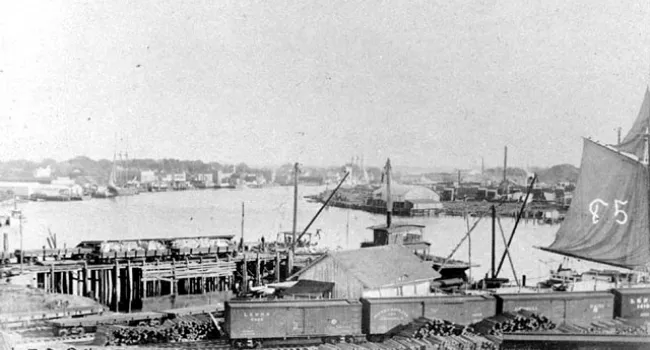
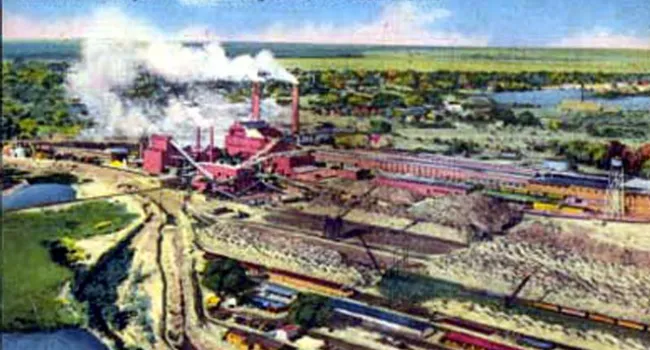
The paper industry in South Carolina is a major user of forest products of the state. This is the International Paper Mill in Georgetown, photographed in 1935. Courtesy of the South Caroliniana...
Governor’s Mansion | South Carolina Public Radio Grand Strand | South Carolina Public Radio

Audio

Grades

  • 6
  • 7
  • 8
  • 9
  • 10
  • 11
  • 12
Grand Strand | South Carolina Public Radio
"G" is for Grand Strand. South Carolina’s Grand Strand is an uninterrupted strip of sandy beaches that officially stretches along sixty miles of Horry and Georgetown Counties from the North Carolina...
Burke, Aedanus | South Carolina Public Radio Black River | South Carolina Public Radio

Audio

Grades

  • 6
  • 7
  • 8
  • 9
  • 10
  • 11
  • 12
  • Higher Education
Black River | South Carolina Public Radio
“B” is for Black River. The Black River takes its name from its tea-colored waters. The river begins in the Sandhills of Lee County, and is joined at Rocky Bluff Swamp near Sumter. The Pocotaligo...
Queen Anne Style House | History of SC Slide Collection

Photo

Grades

  • 3
  • 4
  • 5
  • 6
  • 7
  • 8
  • 9
  • 10
  • 11
  • 12
Queen Anne Style House | History of SC Slide Collection
Episode 3
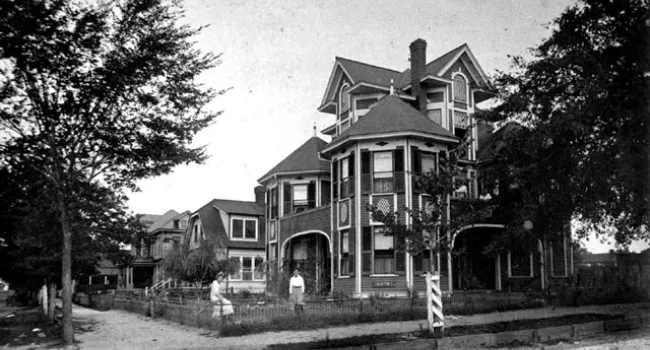
This Queen Anne style house was built in Georgetown at the east corner of Front Street and James Street by Dr. H.A. Farris, a dentist. Its four octagonal rooms on each floor all had five windows and a...