Charleston

“Charleston County and the city of Charleston, its county seat, are the most historic locations in the state.”

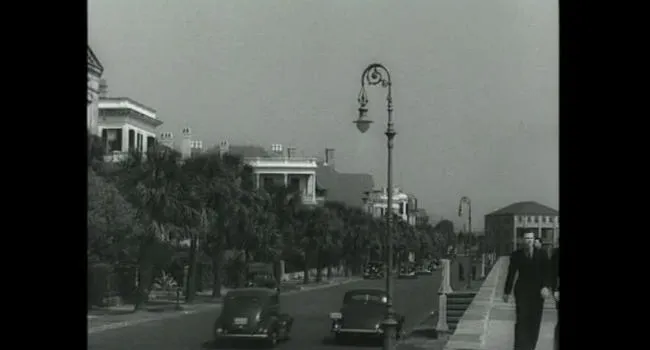
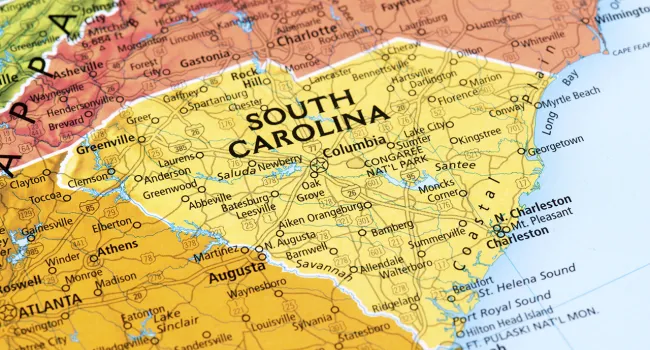
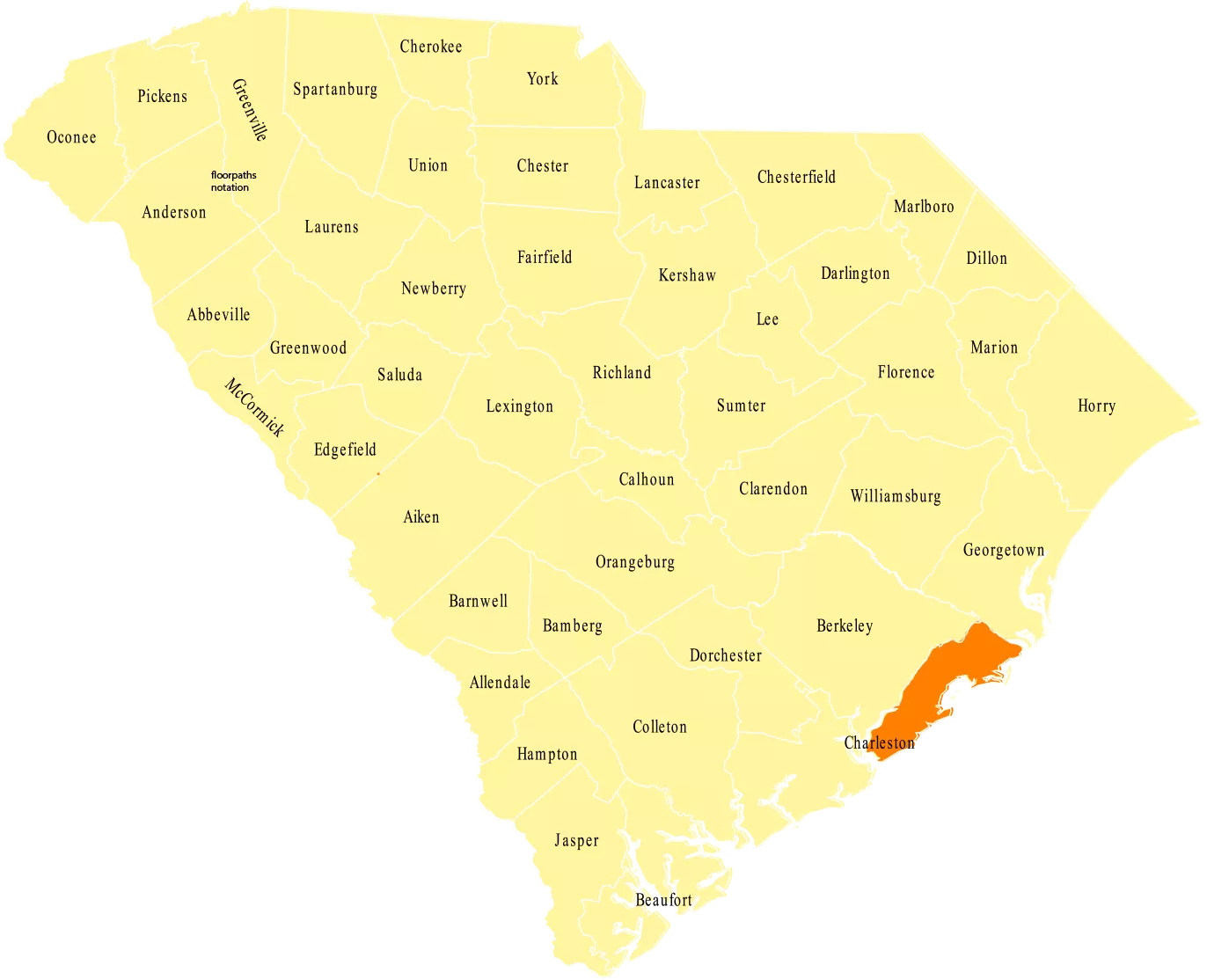
“Charleston County and the city of Charleston, its county seat, are the most historic locations in the state.” Situated in the Lowcountry, the county serves as a popular vacation destination but also relies on the business that results from its port. The area in general serves as a large cultural and economic hub for the state.

Charleston County was founded as Charleston District in 1769, and the district became smaller after some of its lands were used to create Colleton and Berkeley counties. The county and its seat were named after King Charles II.

The city and county are saturated with Revolutionary War and Civil War history. Three signers of the United States Constitution and two famous abolitionists resided in Charleston County, and the Civil War began when soldiers fired shots from the county’s Fort Sumter.
Content Type
 Pages of History: The Progressive Era | Carolina Stories 5

Video

Grades

  • 8
Pages of History: The Progressive Era | Carolina Stories
Episode 5
Major James Calvin Hemphill, from Abbeville, succeeded Francis Dawson. At first, The News And Courier was impressed by Benjamin Ryan Tillman’s lambasting of “bourbon do-nothings” in power, but Tillman...
 Pages of History: Introduction | Carolina Stories 1

Video

Pages of History: Introduction | Carolina Stories
Episode 1
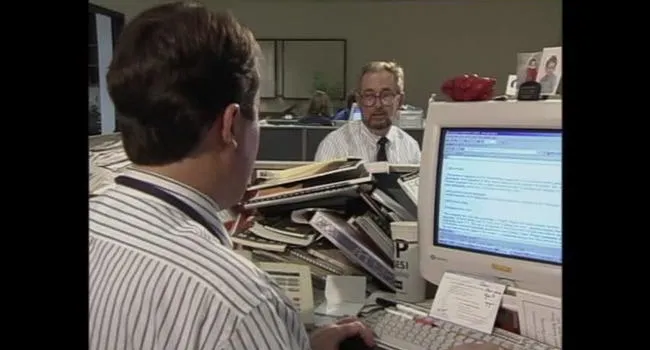
On January 10, 2003, the South’s oldest daily newspaper, The Charleston Post and Courier, celebrates an important milestone: their bicentennial. This newspaper has reported on war, struggles, natural...
Pages of History: Reconstruction and Late 19th Century | Carolina Stories
   - Episode 4 Pages of History: Mid 20th Century | Carolina Stories 6

Video

Grades

  • 8
Pages of History: Mid 20th Century | Carolina Stories
Episode 6
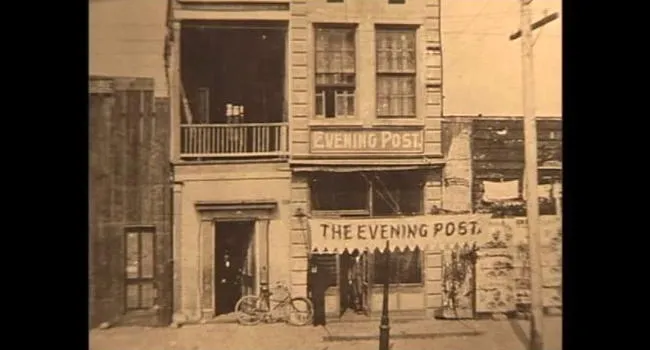
William Watts Ball, who had previously worked at The Evening Post and The State, became the new editor. He was an outspoken critic of “The New Deal”, along with too much government, and these views...
The Powder Magazine | Let's Go!

Photo

Grades

  • 3
  • 4
  • 5
  • 6
  • 7
  • 8
  • 9
  • 10
  • 11
  • 12
The Powder Magazine | Let's Go!
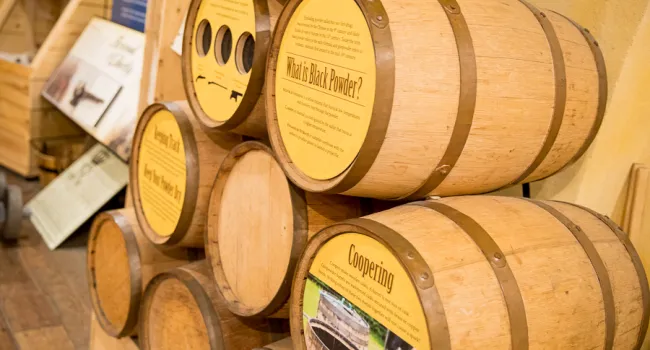
Completed by 1713, The Powder Magazine is the oldest governmental building in South Carolina. This facility was used as an arsenal from 1713 - 1748 to defend the colony from the Spanish, French...
 Fairs Before The Civil War | Walter Edgar's Journal

Audio

Grades

  • 6
  • 7
  • 8
  • 9
  • 10
  • 11
  • 12
Fairs Before The Civil War | Walter Edgar's Journal
Episode 2
The fairs of yester-year were far different from the fairs we know today. Dr. Stroup discusses what fairs were like before The Civil War. In this time period, fairs were held locally, and each county...
Portrait Of "Maum Anne" | History Of SC Slide Collection

Photo

Grades

  • 3
  • 4
  • 5
  • 6
  • 7
  • 8
  • 9
  • 10
  • 11
  • 12
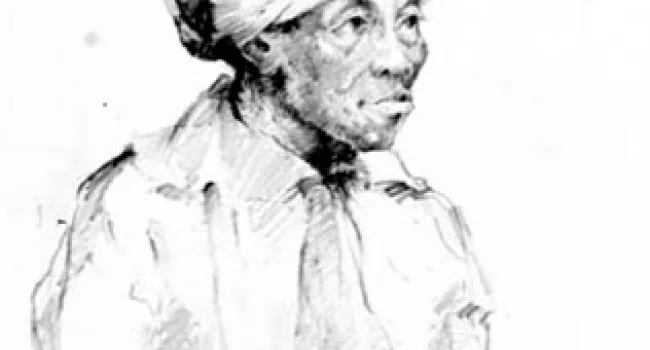
Portrait Of "Maum Anne" | History Of SC Slide Collection
Episode 21
Alfred Hutty (1877-1954) first came to Charleston in 1919, and the city and the people in it became an important subject for his art. This portrait of "Maum Anne" has caught the dignity of this...
The Rose And The Lilly | History Of SC Slide Collection

Photo

Grades

  • 3
  • 4
  • 5
  • 6
  • 7
  • 8
  • 9
  • 10
  • 11
  • 12
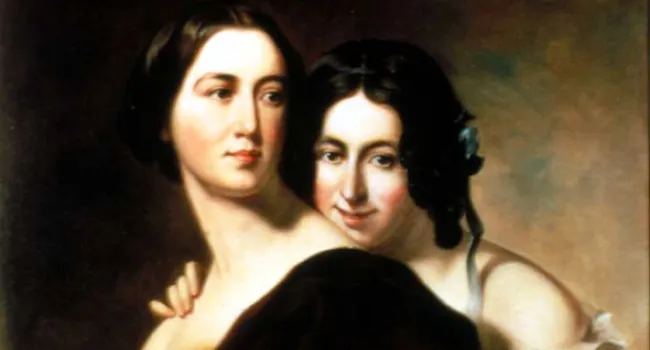
The Rose And The Lilly | History Of SC Slide Collection
Episode 8
The painter Thomas Sully (1783-1872) portrayed his own daughters, Blanche and Rosalie, in a painting often titled "The Rose and the Lilly." As a child, Sully lived in Charleston and appeared there...