World War II
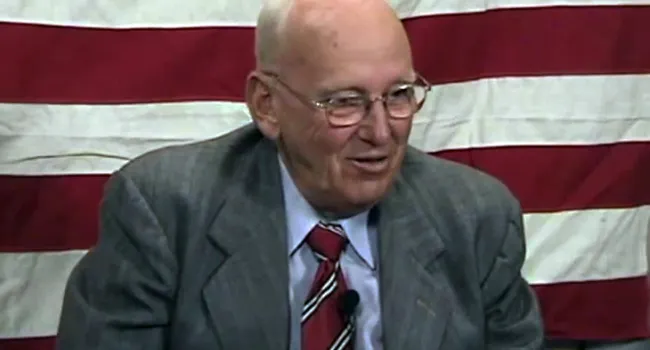
Jack Bush was a tail gunner in World War II. A tail gunner is a crewman on a military aircraft who defends against enemy fighter attacks from the rear, or "tail", of the plane.
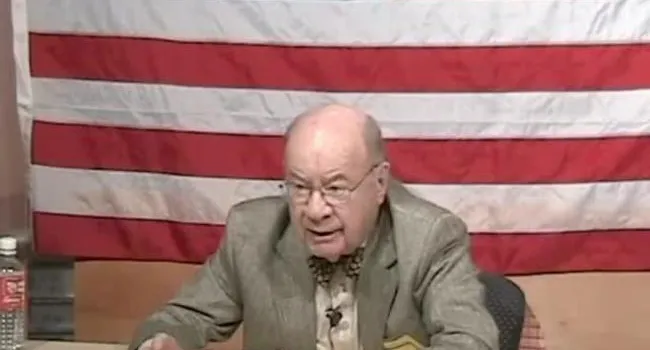
Listen to the interview by Conner Burney
Generations of Heroes was a project that offered South Carolina educators and students a chance to document the living memories of heroes and civilians who have served the United States from World War II to today’s soldiers serving in Iraq and Afghanistan.
World War II
Jack Bush was a tail gunner in World War II. A tail gunner is a crewman on a military aircraft who defends against enemy fighter attacks from the rear, or "tail", of the plane.
Listen to the interview by Conner Burney
Generations of Heroes was a project that offered South Carolina educators and students a chance to document the living memories of heroes and civilians who have served the United States from World War II to today’s soldiers serving in Iraq and Afghanistan.
Standards
- 5-4 The student will demonstrate an understanding of American economic challenges in the 1920s and 1930s and world conflict in the 1940s.
- Along with the rest of the world, the United States experienced a boom-and-bust period during the 1920s and 1930s. In the United States, this situation led to significant government intervention to stimulate the economy. Other countries did not follow...
- 5-4.4 Explain the principal events related to the involvement of the United States in World War II, including campaigns in North Africa and the Mediterranean; major battles of the European theater such as the Battle of Britain, the invasion of the Sovi...
- 5-4.5 Analyze the role of key figures during World War II, including Winston Churchill, Franklin D. Roosevelt, Joseph Stalin, Benito Mussolini, and Adolph Hitler.
- 5-4.6 Summarize key developments in technology, aviation, weaponry, and communication and their effects on World War II and the United States economy.
- Along with the rest of the world, the United States experienced a boom-and-bust period during the 1920s and 1930s. In the United States, this situation led to significant government intervention to stimulate the economy. Other countries did not follow...
- 7-4 The student will demonstrate an understanding of the causes and effects of world conflicts in the first half of the twentieth century.