The Plant Kingdom

Plants have specific structures that help them survive, grow and produce more plants. There are distinct environments in the world that support different types of plants.
The Plant Kingdom | Topics
Collapse
Expand
Toggle Filters

Filter By:

Clear Filters

Grade Levels

close

Grade

Resource Type

close

Resource Type

Downloadable Content

close

Downloadable Content
The Plant Kingdom | Topics
Collapse
Expand
 Santee National Wildlife Refuge (S.C.) Stop 7 8

Video

Grades

  • 3
  • 4
  • 5
  • 6
  • 7
  • 8
  • 9
  • 10
  • 11
  • 12
Santee National Wildlife Refuge (S.C.) Stop 7
Episode 8
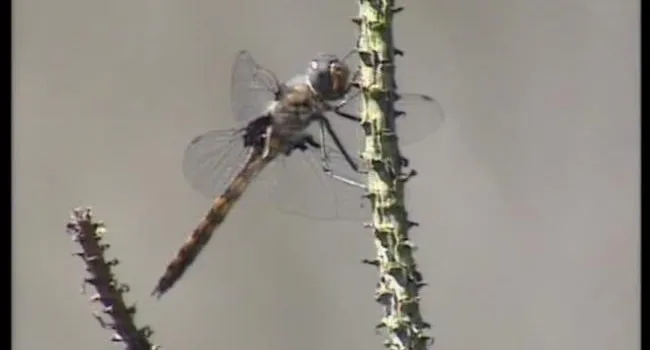
At this last stop, Rudy and Jim come across Loblolly pines, along with more alligators, and a Springflyer dragonfly. On the other side of the trail is a hardwood forest, and this habitat includes...
Persistent Trillium | The Cove Forest

Photo

Grades

  • 6
  • 7
  • 8
  • 9
  • 10
  • 11
  • 12
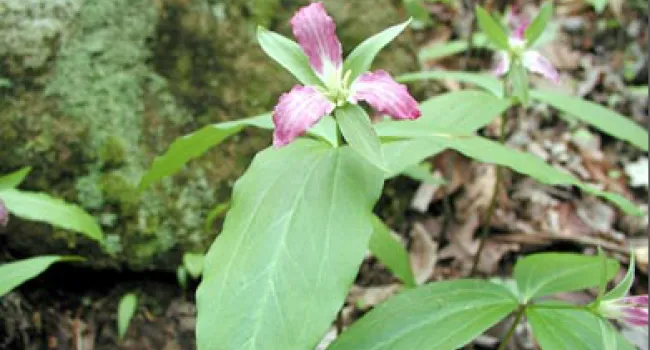
Persistent Trillium | The Cove Forest
A number of rare species occur in cove forests, including the endangered persistent trillium, Trillium persistens. The species is found in deeply incised coves and gorges (acidic coves) in South...
Dense Leafy Plant | The Cove Forest

Photo

Grades

  • 6
  • 7
  • 8
  • 9
  • 10
  • 11
  • 12
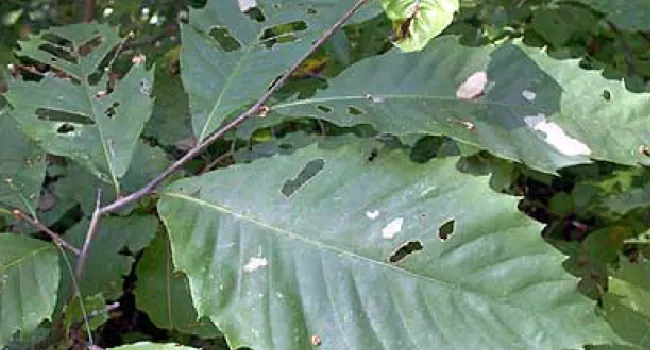
Dense Leafy Plant | The Cove Forest
Episode 4
Leaves often show signs of some damage by herbivores, but only rarely are most or all of the leaves on a given plant eaten. As a result, green leafy plant tissues is abundant in cove forests during...
Close-Up of Oak Leaves | The Cove Forest

Photo

Grades

  • 6
  • 7
  • 8
  • 9
  • 10
  • 11
  • 12
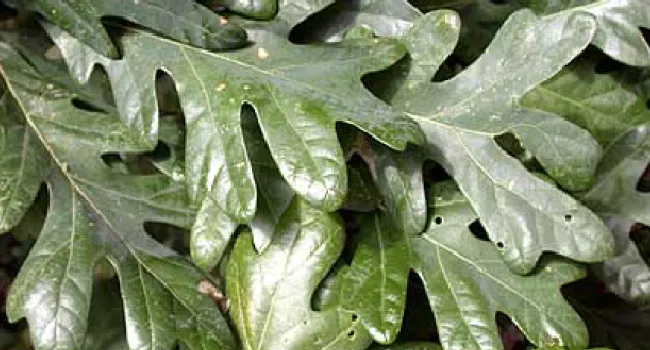
Close-Up of Oak Leaves | The Cove Forest
Episode 2
The most effective defense against herbivores are chemicals. Leaves, stems and roots often various chemicals that deter herbivores. For example, oaks have bitter-tasting chemicals called tannins that...
Close-Up of Wood Nettle Stem | The Cove Forest

Photo

Grades

  • 9
  • 10
  • 11
  • 12
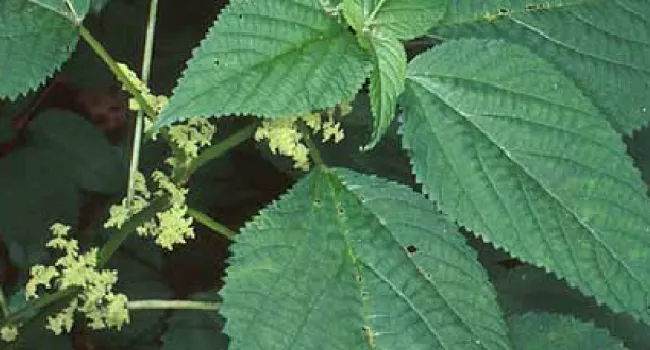
Close-Up of Wood Nettle Stem | The Cove Forest
Episode 1
Hairs, spines and thorns occur on leaves and/or stems of certain plants. These mechanical defenses may provide some protection from larger herbivores, such as deer, as well as small insects, such as...
Close-Up of Seed with Food Body Attached | The Cove Forest

Photo

Grades

  • 6
  • 7
  • 8
  • 9
  • 10
  • 11
  • 12
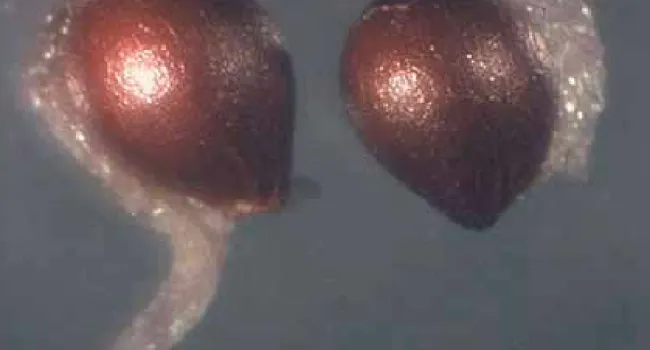
Close-Up of Seed with Food Body Attached | The Cove Forest
Episode 5
Herbaceous plants of cove forests, such as violets, trilliums and bloodroots (as well as many others), have ant-dispersed seeds. Such seeds have a small lipid-rich food body attached to the seed. Ants...
White Baneberry or Doll's Eyes Fruit | The Cove Forest

Photo

Grades

  • 6
  • 7
  • 8
  • 9
  • 10
  • 11
  • 12
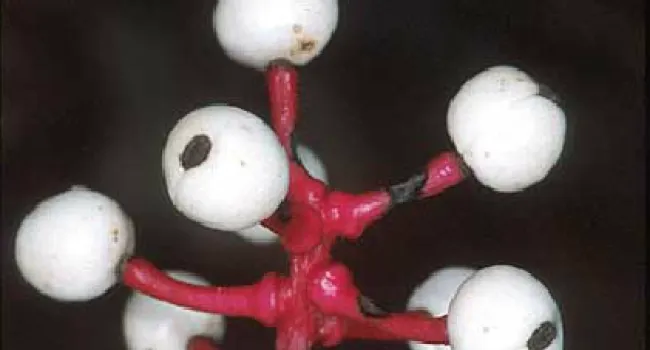
White Baneberry or Doll's Eyes Fruit | The Cove Forest
Episode 2
Fruits eaten by animals are not necessarily edible for humans. Since fruits of some plants are poisonous (for humans), you should never eat fruits of wild plants unless you are absolutely certain they...
Leafy Stem with Abundant Acorns | The Cove Forest

Photo

Grades

  • 6
  • 7
  • 8
  • 9
  • 10
  • 11
  • 12
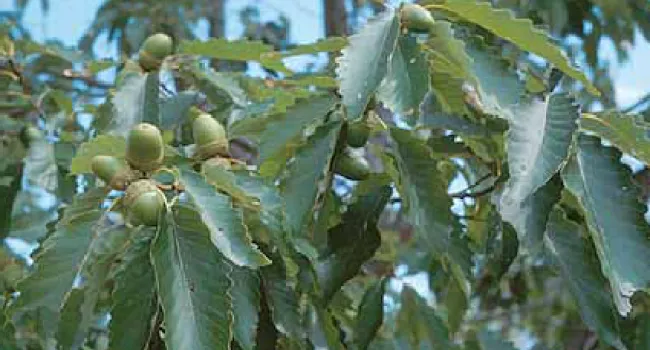
Leafy Stem with Abundant Acorns | The Cove Forest
Episode 3
The fruits produced by oaks (acorns) are an extremely important food source for mammals, such as squirrels, deer and black bear. Because acorns are rich in carbohydrates and proteins, populations of...
Trillium Flower | The Cove Forest

Photo

Grades

  • 6
  • 7
  • 8
  • 9
  • 10
  • 11
  • 12
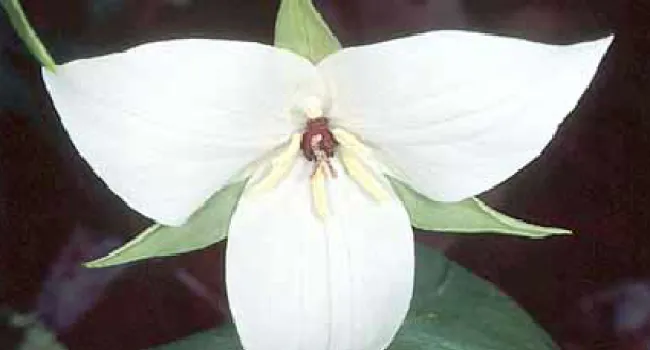
Trillium Flower | The Cove Forest
On warm spring days, flowers are often actively visited by pollinators. However, in late winter and early spring, when many herbaceous plants are in flower, it is often too cold for pollinators to fly...
Wind-Pollinated Flower | The Cove Forest

Photo

Grades

  • 6
  • 7
  • 8
  • 9
  • 10
  • 11
  • 12
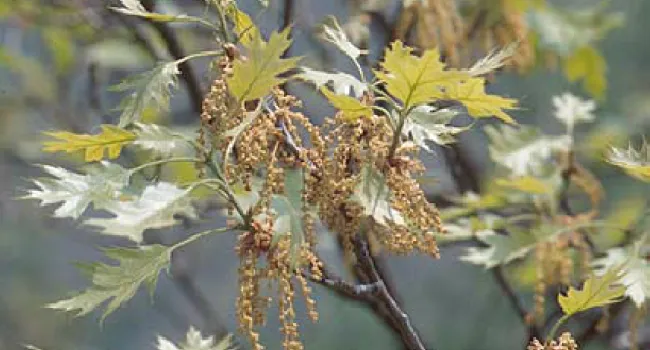
Wind-Pollinated Flower | The Cove Forest
Trees, such as oaks and hickories, and herbaceous plants such as grasses and sedges have small inconspicuous flowers that lack nectar, odor and bright colors. Because these plants are wind-pollinated...