Composition of Earth

The Earth's interior is divided into a solid inner core, a liquid outer core, a solid (but flowing) mantle and solid crust. Because Earth's processes are dynamic and interactive in nature, the surface of the Earth is constantly changing. 
Toggle Filters

Filter By:

Clear Filters

Grade Levels

close

Grade

Resource Type

close

Resource Type

Downloadable Content

close

Downloadable Content
Fort Jackson | Carolina Snaps Lake Jocassee | Carolina Snaps

Video

Grades

  • 3
  • 4
  • 5
  • 6
  • 7
  • 8
  • 9
  • 10
  • 11
  • 12
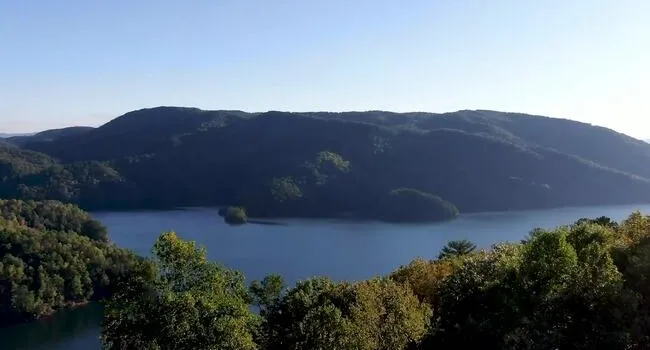
Lake Jocassee | Carolina Snaps
Lake Jocassee is a 75,000-acre reservoir outside of Salem, South Carolina and is considered the jewel of the Appalachian Mountains.
Georgia O'Keeffe | Carolina Snaps Sassafras Mountain | Carolina Snaps

Video

Grades

  • 3
  • 4
  • 5
  • 6
  • 7
  • 8
  • 9
  • 10
  • 11
  • 12
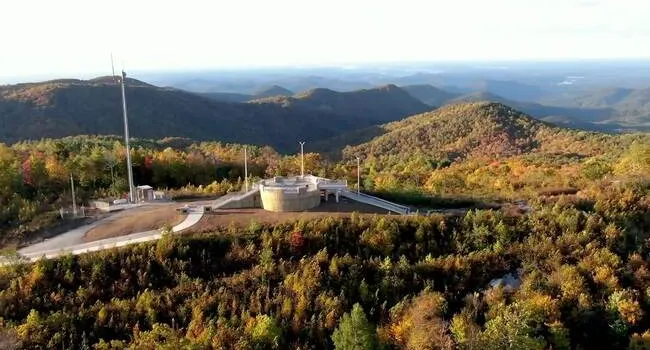
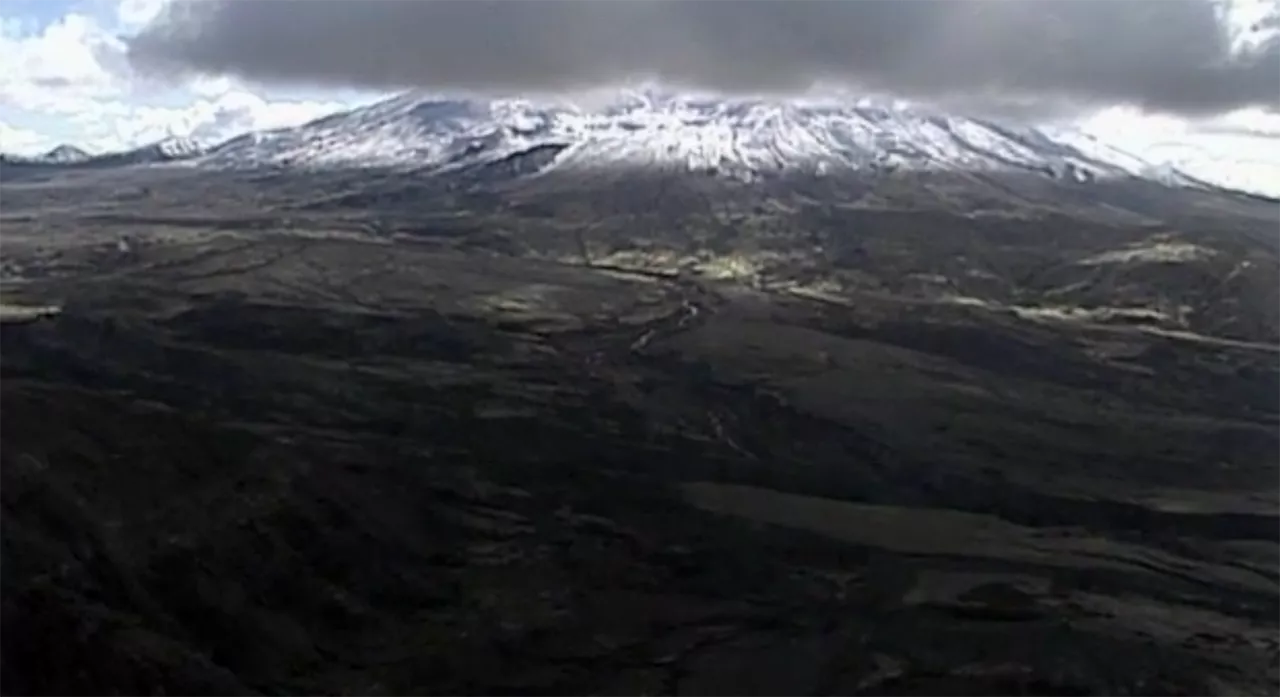
Sassafras Mountain | Carolina Snaps
Towering over three thousand five hundred feet, Sassafras Mountain is the highest point in the state of South Carolina.
 Where Does Litter Come From? | Making It Grow

Video

Grades

  • 3
  • 4
  • 5
  • 6
  • 7
  • 8
  • 9
  • 10
  • 11
  • 12
Where Does Litter Come From? | Making It Grow
When it rains, water either soaks into the ground or flows downhill into small streams and ponds and then into a larger body of water, like a river, lake, or ocean. A watershed is an area of land...
Maps and Landforms

Lesson

Grades

  • Kindergarten
  • 1
  • 2
  • 3
Maps and Landforms

The students will learn about maps and landforms and why they are important.

 Sandy Island (S.C.) Stop 2 2

Video

Grades

  • 3
  • 4
  • 5
  • 6
  • 7
  • 8
  • 9
  • 10
  • 11
  • 12
Sandy Island (S.C.) Stop 2
Episode 2
Jim and Rudy discuss the composition of the sand dunes on Sandy Island, and how wind and water have shifted the dunes over time. The waters between these slopes make perfect hunting ground for local...
 Rock Stars | Environmental Ed

Video

Grades

  • 3
  • 4
  • 5
  • 6
  • 7
  • 8
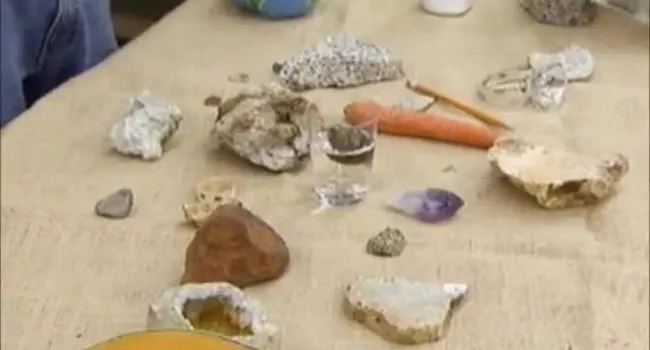
Rock Stars | Environmental Ed
Environmental Ed introduces the idea that rocks and minerals are the backbone of our planet and addresses how they are made and how we can use them to make a better Earth.
Plate Movements - Lateral | NASA Online

Interactive

Grades

  • 3
  • 4
  • 5
  • 6
  • 7
  • 8
  • 9
  • 10
  • 11
  • 12
Plate Movements - Lateral | NASA Online
At a lateral plate boundary, plates slide past each other. The San Andreas fault in California is an example of a transform plate boundary, where the Pacific Plate slides past the North American Plate...
Plate Movements - Convergent | NASA Online

Interactive

Grades

  • 3
  • 4
  • 5
  • 6
  • 7
  • 8
  • 9
  • 10
  • 11
  • 12
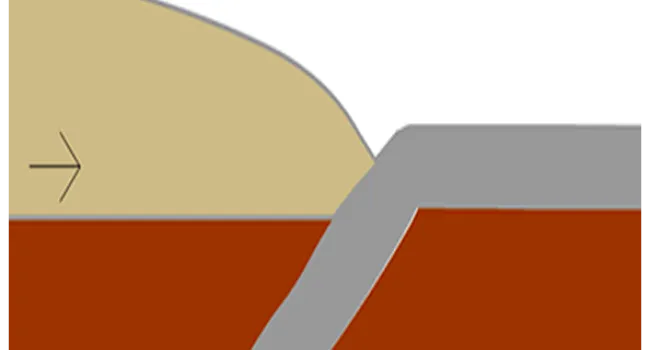
Plate Movements - Convergent | NASA Online
At a convergent plate boundary, lithospheric plates move toward each other. The west margin of the South American continent, where the oceanic Nazca Plate is pushed toward and beneath the continental...
Plate Movements - Divergent | NASA Online

Interactive

Grades

  • 3
  • 4
  • 5
  • 6
  • 7
  • 8
  • 9
  • 10
  • 11
  • 12
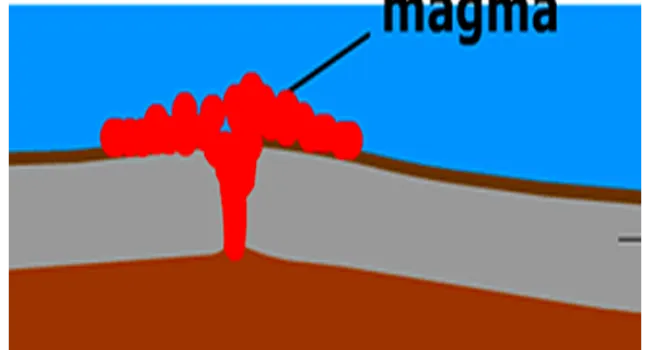
Plate Movements - Divergent | NASA Online
At a divergent plate boundary lithospheric plates move away from each other. As the two sides move away from each other, magma wells up from the Earth's interior. It then solidifies into rock as it is...