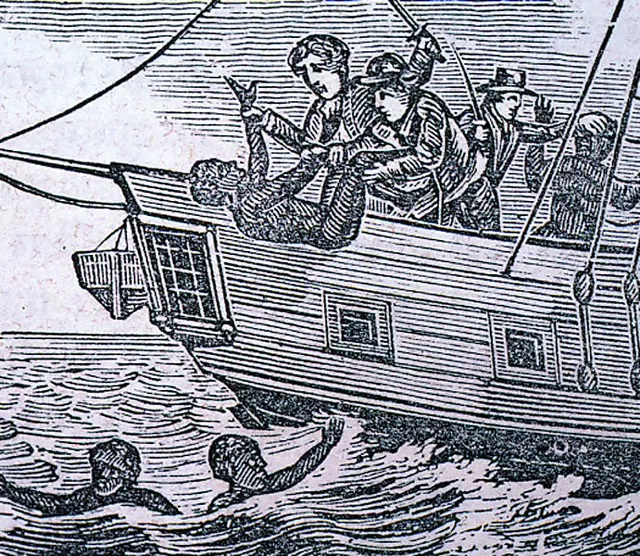
The slave trade continued in South Carolina until the constitutionally set limit of 1808. The "middle passage" for slaves from Africa to the New World was full of hazards. Many slaves did not survive the voyage, and their bodies were thrown overboard, as illustrated in this crude engraving.

Courtesy of the South Carolniana Library.

Resource Type
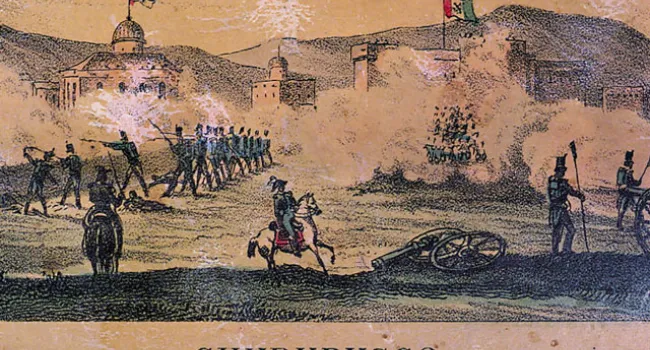
Battle of Cherubusco | History of SC Slide Collection

Photo

Grades

  • 4
  • 8
Battle of Cherubusco | History of SC Slide Collection
Episode 21
South Carolinians were among those who most strongly supported the Mexican War, for it promised westward expansion of the nation in territory south of the Missouri Compromise Line of 1820, and thus...
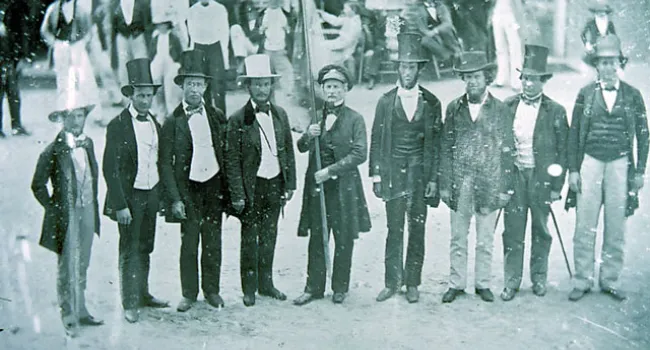
The Chester Volunteers | History of SC Slide Collection

Photo

Grades

  • 4
  • 8
The Chester Volunteers | History of SC Slide Collection
Episode 20
The Chester Volunteers, Captain Robert Mills Dunovants's company of the Palmetto Regiment, were one of the many South Carolina military units who made up the army that fought in the War with Mexico...
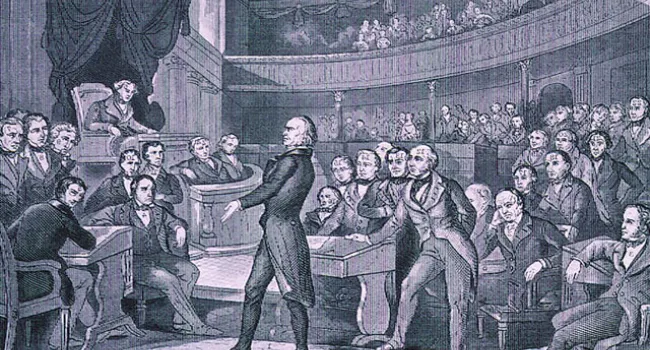
The Webster-Hayne Debate | History of SC Slide Collection

Photo

Grades

  • 4
  • 8
  • 9
  • 10
  • 11
  • 12
The Webster-Hayne Debate | History of SC Slide Collection
Episode 18
The Webster-Hayne Debate. Bitter sectional disputes emerged during the presidency of Andrew Jackson: the issues that divided north from south, and sometimes east from west, included the disposal of...
Runaway Slaves | History of SC Slide Collection

Photo

Grades

  • 4
  • 8
  • 9
  • 10
  • 11
  • 12
Runaway Slaves | History of SC Slide Collection
Episode 14
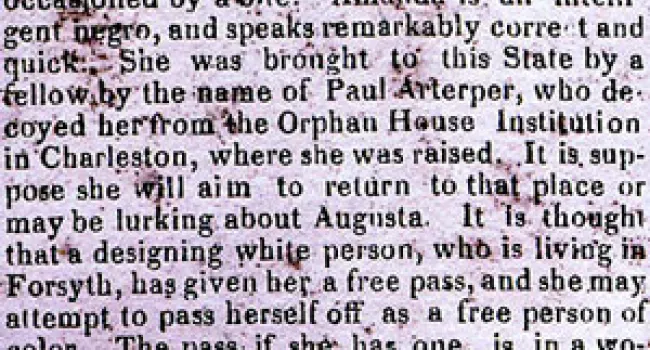
Runaway slaves were a constant problem in maintaining a workforce of unfree laborers. Slaves ran away because of mistreatment, out of a desire for freedom, or often simply to be reunited with husbands...
Legareville | History of SC Slide Collection

Photo

Legareville | History of SC Slide Collection
Episode 13
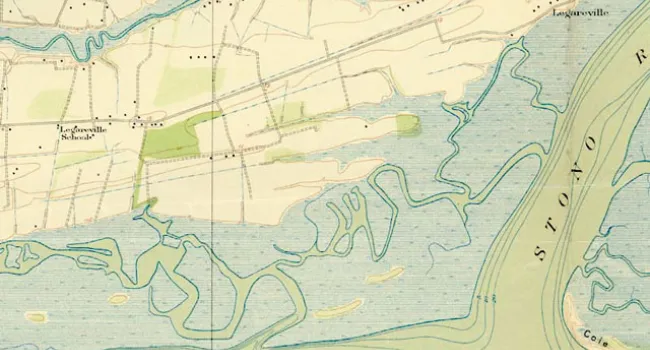
Legareville was a summer resort community of the early 19th century, where planters and their families could retreat from the heat and disease of their plantations and enjoy cooling breezes. This 1919...