Meet a Musician

Learn more about the music industry by watching videos of the following musicians at work. 

Please note many of the web videos include transcripts.

Title:
 Formal Training  | Artopia
Formal Training | Artopia

Video

Grades: 6 7 8 9 10 11 12

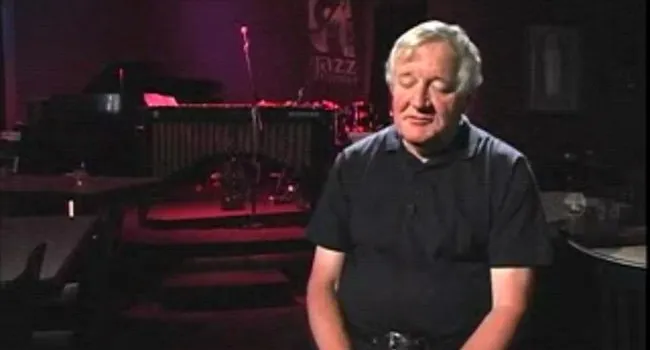
Bob Masteller shares some of his formal training that started at nine years old in public school and continued with private lessons throughout high school.
 Sports and Music  | Artopia
Sports and Music | Artopia

Video

Grades: 6 7 8 9 10 11 12

Bob Masteller talks about the correlation between playing music and playing sports.
 Listening  | Artopia
Listening | Artopia

Video

Grades: 6 7 8 9 10 11 12

Bob Masteller talks about the art of listening and how listening helps develop an ear for music.
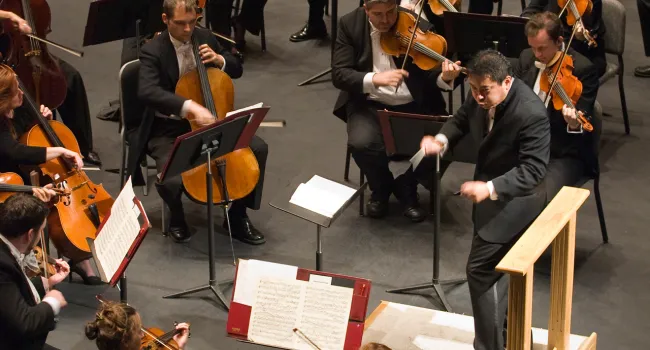
 Musical Influences  | Artopia
Musical Influences | Artopia

Video

Grades: 6 7 8 9 10 11 12

Bob Masteller talks about his musical influences from growing up. He grew up in the era of jazz and swing with some of his favorite musicians being Benny Goodman, Louis Armstrong, and Duke Ellington.
 School Project  | Artopia
School Project | Artopia

Video

Grades: 6 7 8 9 10 11 12

Bob Masteller talks about creating a project that will teach students about jazz and also give them the opportunity to experience jazz music.
 What I Love  | Artopia
What I Love | Artopia

Video

Grades: 6 7 8 9 10 11 12

Bob Masteller explains what he loves about playing jazz music.
 Harlem Renaissance | Artopia
Harlem Renaissance | Artopia

Video

Grades: 6 7 8 9 10 11 12

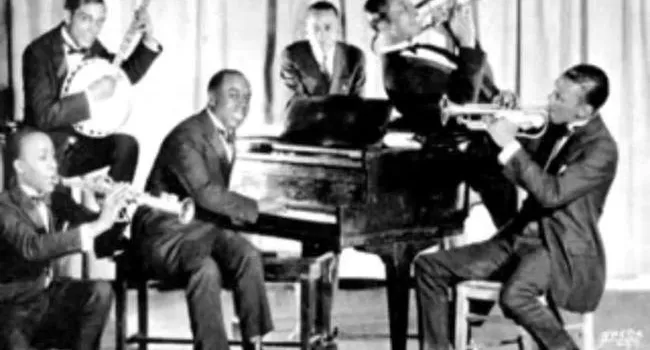
Bob Masteller shares how The Harlem Renaissance was the most exciting period in the history of jazz. The Harlem Renaissance took place in Harlem, New York between the end of World War I and the middle...
 What is a Vibraphone?  | Artopia
What is a Vibraphone? | Artopia

Video

Grades: 6 7 8 9 10 11 12

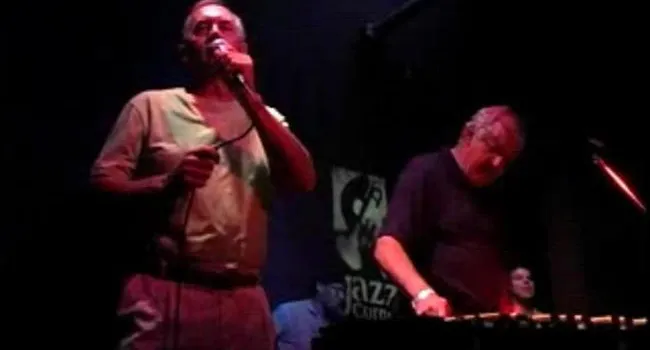
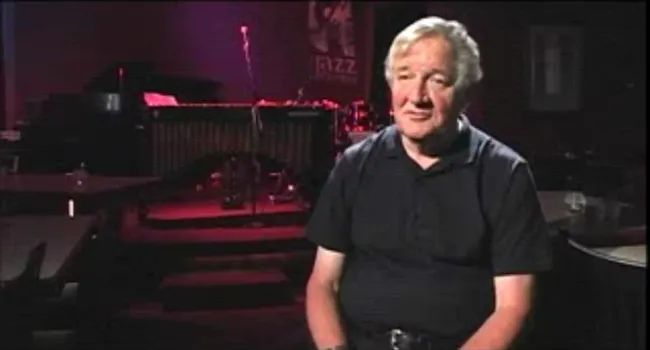
Bob Masteller explains how he self-taught himself to play the vibraphone. The vibraphone (or the vibes) is a musical instrument in the percussion family. It's similar to the xylophone and is commonly...
 Practice | Artopia
Practice | Artopia

Video

Grades: 6 7 8 9 10 11 12

Bob Masteller explains the importance of practicing music scales and talks about jazz and swing musician, Benny Goodman, as an example.
 Woodwinds Section: Oboe  | Artopia
Woodwinds Section: Oboe | Artopia

Video

Grades: 6 7 8 9 10 11 12

Petrea Warneck plays the oboe in the South Carolina Philharmonic Brass Section. The oboe is black and made of wood. Its sound is produced by blowing between two small reeds and its high "double reed"...
 Woodwinds Section: Flute  | Artopia
Woodwinds Section: Flute | Artopia

Video

Grades: 6 7 8 9 10 11 12

Cynthia Hopkins plays the flute in the South Carolina Philharmonic Brass Section. The flute has a high, clear sound.
 Woodwinds Section: Clarinet | Artopia
Woodwinds Section: Clarinet | Artopia

Video

Grades: 6 7 8 9 10 11 12

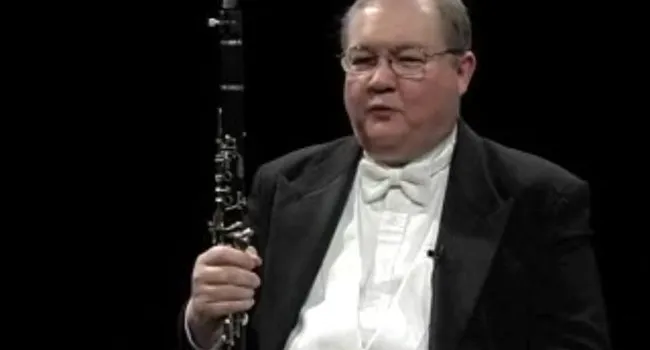
John Bittle plays the clarinet in t he South Carolina Philharmonic Brass Section. The clarinet uses a single reed. There are many types of clarinets with a very wide range of sounds.
 Woodwinds Section: Bassoon  | Artopia
Woodwinds Section: Bassoon | Artopia

Video

Grades: 6 7 8 9 10 11 12

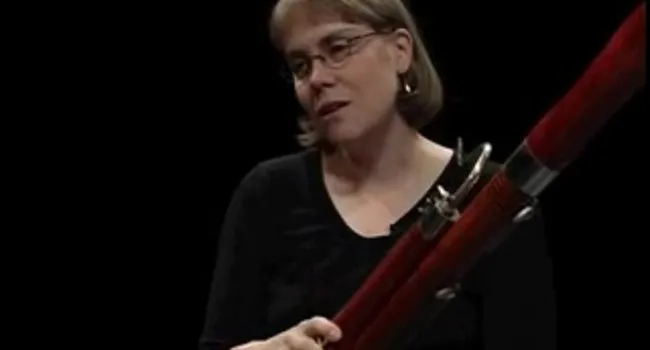
Stephanie Whitson plays the bassoon in the South Carolina Philharmonic Brass Section. The bassoon is the largest woodwind and has the deepest sound.
 String Section: Violin | Artopia
String Section: Violin | Artopia

Video

Grades: 6 7 8 9 10 11 12

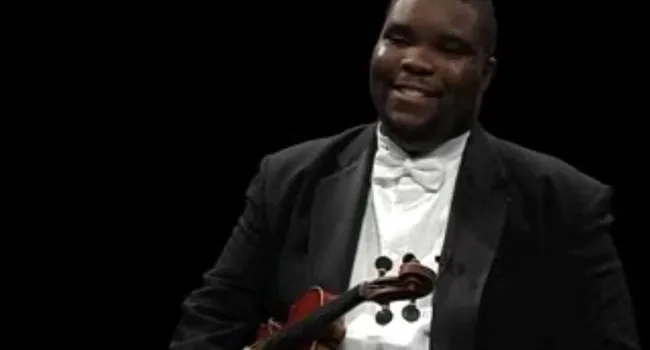
Timmothy Baker plays the violin in the South Carolina Philharmonic String Section. The violin is the smallest stringed instrument and has the highest sound.
 String Section: Cello | Artopia
String Section: Cello | Artopia

Video

Grades: 6 7 8 9 10 11 12

Jacqueline Taylor plays the cello in the South Carolina Philharmonic String Section. The cello is much larger than the violin, also in this group, and stands on the floor.
 String Section: Viola | Artopia
String Section: Viola | Artopia

Video

Grades: 6 7 8 9 10 11 12

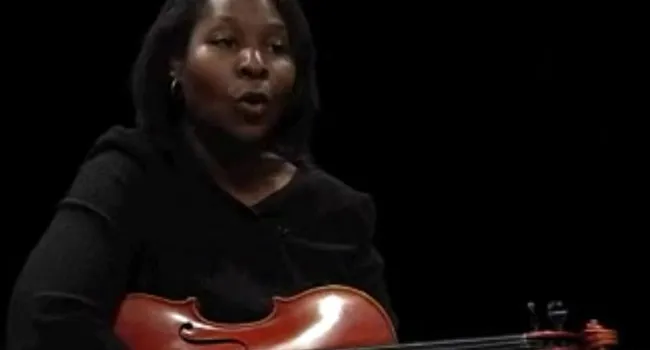
Audrey Harris plays the viola in the South Carolina Philharmonic String Section. The viola is a little larger than the violin and has a mellower sound.
 String Section: Bass  | Artopia
String Section: Bass | Artopia

Video

Grades: 6 7 8 9 10 11 12

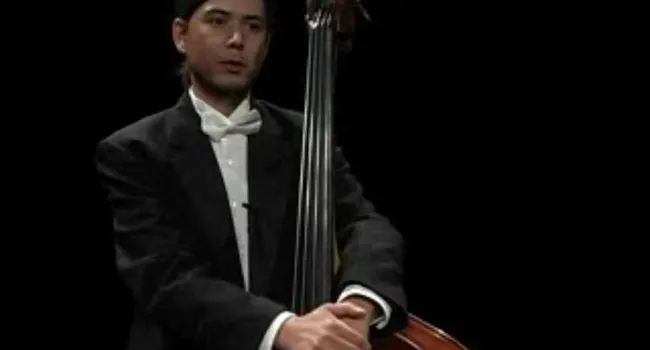
Ken Klatte plays the bass in the South Carolina Philharmonic String Section. The largest stringed instrument is the bass. It's so big the player has to stand up. The sound is very low and rumbling.
 Brass Section: Trumpet | Artopia
Brass Section: Trumpet | Artopia

Video

Grades: 3 4 5 6 7 8 9 10 11 12

Meet Randolph Love , a trumpet player in the South Carolina Philharmonic Brass Section. The trumpet has a clear, high sound. It is the smallest of the orchestral brass instruments.
 Brass Section: Trombone | Artopia
Brass Section: Trombone | Artopia

Video

Grades: 3 4 5 6 7 8 9 10 11 12

Meet Mary Lou Schweickert, a trombone player in the South Carolina Philharmonic Brass Section. The trombone has a clear, bright sound that is lower than the trumpet.
 Brass Section: French Horn | Artopia
Brass Section: French Horn | Artopia

Video

Grades: 3 4 5 6 7 8 9 10 11 12

Meet Ken Turner , a French horn player in the South Carolina Philharmonic Brass Section. The French horn or horn, produces a wide assortment of notes in the middle ranges of the brass instrument.
 Brass Section: Tuba | Artopia
Brass Section: Tuba | Artopia

Video

Grades: 3 4 5 6 7 8 9 10 11 12

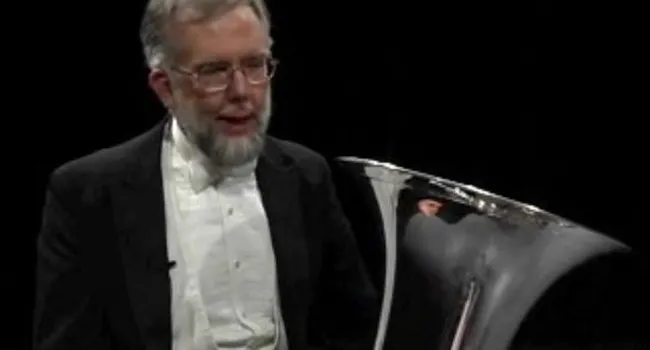
Meet Ron Davis , a tuba player in the South Carolina Philharmonic Brass Section. The tuba is the largest and lowest-sounding brass instrument.
 Percussion Section | Artopia
Percussion Section | Artopia

Video

Grades: 3 4 5 6 7 8 9 10 11 12

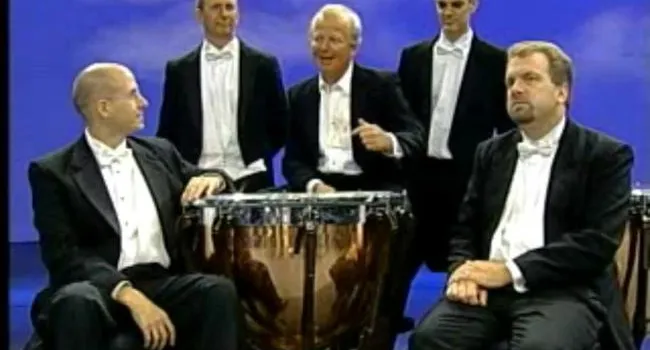
Meet members of the South Carolina Philharmonic Percussion Section: Matthew Jones, Chris Lee, Mark Roddy, Eric Patterson, and Cliff Sutton The percussion section includes instruments like the snare...
 Being in a Jazz Band | Artopia
Being in a Jazz Band | Artopia

Video

Grades: 3 4 5 6 7 8 9 10 11 12

Eboni Ramm talks about her experiences of working with a band and being the only vocalist.