Do As Authors & Scientists Do | National Book Month

These are some of the things authors and scientists who study the natural world do. You can do the same!
 
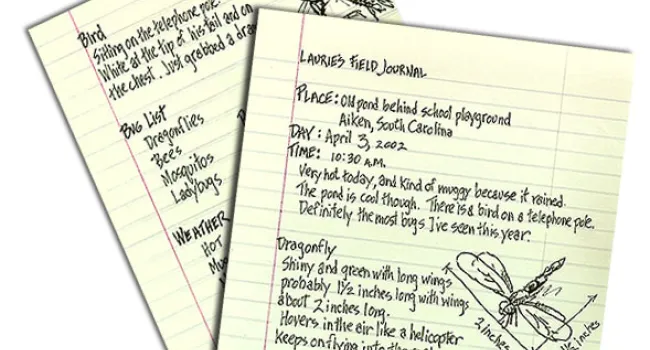
  • Note the time, place and date of your field research.
  • Observe the size, shape, color, texture, sound, and movement of objects or events. Objects are the animals, plants, and rocks around you. Events are what is happening -- a rain shower or a butterfly going from flower to flower.
  • Classify the objects and events into categories by making lists. These lists might be a list of plants, a list of animals, a list of soft things, a list of smelly things, a list of weather-related things. Base your lists on the relationships you find between your observations.         
  • Measure the objects. How long and wide are they? If you can pick them up, how heavy are they? How big are the objects compared to the rest of the area you are in?
  • Communicate your ideas on paper. Use drawings and descriptions to make your objects come alive on paper!


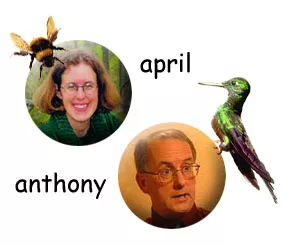
April Pulley Sayre says, "Take a little tape recorder and tape sounds of noises so you can go back and describe them in words...Sometimes I make up words just to imitate the sound of a crocodile or a frog's noise."

More in this Series

Periscope / National Book Month | Periscope / B. Writing Can Be Dirty Work | Periscope

Anthony Fredericks: Under One Rock | National Book Month

Photo

Grades

  • 3
  • 4
  • 5
  • 6
  • 7
  • 8
  • 9
  • 10
  • 11
  • 12
Anthony Fredericks: Under One Rock | National Book Month
Episode 2
Anthony Fredericks says, "Under One Rock has a lot of facts about creatures like insects that live in the soil. But I also wanted to weave a story around it so I could open up some of the mystery...
April Pulley Sayre: Dig, Wait, Listen | National Book Month

Photo

Grades

  • 3
  • 4
  • 5
  • 6
  • 7
  • 8
  • 9
  • 10
  • 11
  • 12
April Pulley Sayre: Dig, Wait, Listen | National Book Month
Episode 3
April and Anthony study everything around them -- the animals, the plants, the rocks, the weather, well...everything. They use their five senses and take a lot of notes. Their field notes help them to...
Let's Do Some Research! | National Book Month

Photo

Grades

  • 3
  • 4
  • 5
  • 6
  • 7
  • 8
  • 9
  • 10
  • 11
  • 12
Let's Do Some Research! | National Book Month
Episode 4
Like April and Anthony, you can find the ingredients for a story right in your own backyard. Go somewhere outside - the playground, the lawn, a garden, a park, or the woods, perhaps. And don't forget...
Begin Your Research | National Book Month

Photo

Grades

  • 3
  • 4
  • 5
  • 6
  • 7
  • 8
  • 9
  • 10
  • 11
  • 12
Begin Your Research | National Book Month
Episode 6
Look for an interesting spot to begin your research. It might be a place where you see lots of activity -- a pond, a garden, or a bunch of flowers, for example. Or it might be a place that needs to be...
Look Over Your Notes | National Book Month

Photo

Grades

  • 3
  • 4
  • 5
  • 6
  • 7
  • 8
  • 9
  • 10
  • 11
  • 12
Look Over Your Notes | National Book Month
Episode 9
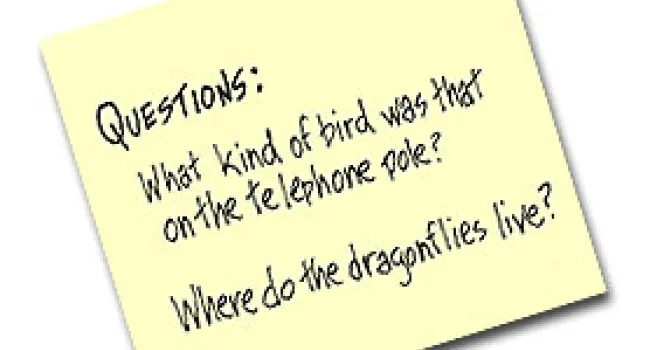
Now sit down in a quiet place and look over your notes. Do you have any questions? Your question can be based on any of your observations. Why did the butterfly go to one flower and not another? Why...
Facts & Notes | National Book Month

Photo

Grades

  • 3
  • 4
  • 5
  • 6
  • 7
  • 8
  • 9
  • 10
  • 11
  • 12
Facts & Notes | National Book Month
Episode 10
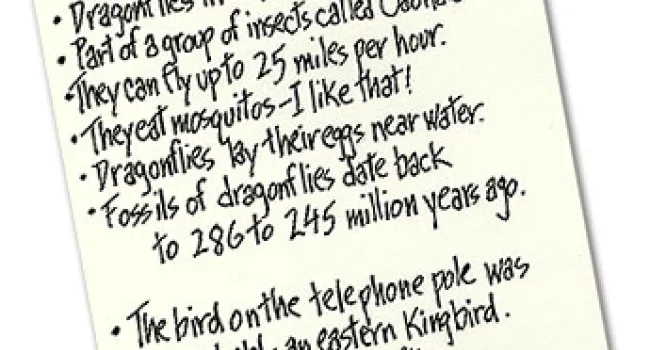
To answer your inquiry, you will have to find more information. Here are some ways to do more research. Visit the area you observed earlier and study it a little closer. Now that you have your...
Sitting Down To Write | National Book Month

Photo

Grades

  • 3
  • 4
  • 5
  • 6
  • 7
  • 8
  • 9
  • 10
  • 11
  • 12
Sitting Down To Write | National Book Month
Episode 11
Have you answered your question? After April and Anthony are satisfied with their answers, they finally sit down to write. Like other stories, a story based on facts can have a main character, a...
April's First Line | National Book Month

Photo

Grades

  • 3
  • 4
  • 5
  • 6
  • 7
  • 8
  • 9
  • 10
  • 11
  • 12
April's First Line | National Book Month
Episode 12
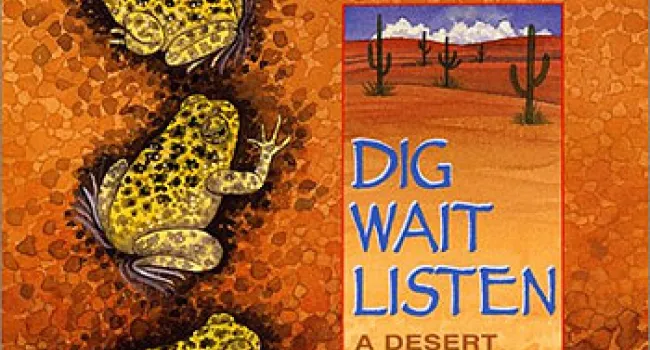
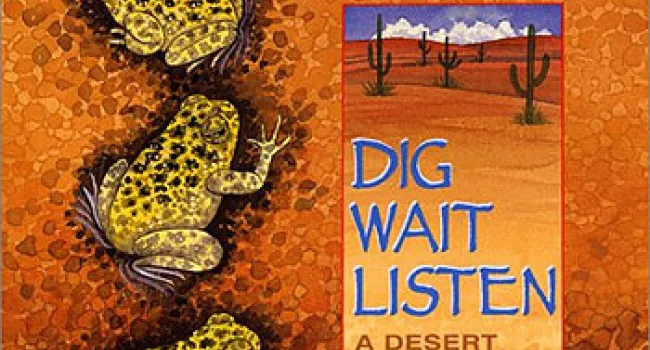
Here is an example of how April turned her facts and notes into a story... Dig, Wait, Listen: A Desert Toad's Tale begins with the line, "Deep in the desert, under the sand, the spadefoot toad waits...
What Can You Write About? | National Book Month

Photo

Grades

  • 3
  • 4
  • 5
  • 6
  • 7
  • 8
  • 9
  • 10
  • 11
  • 12
What Can You Write About? | National Book Month
Episode 14
You probably have some ideas about your story now. Look at your field notes and the rest of your research. What in the world can you write about? For more information on April Pulley Sayre's books...