Beyond Barbados Part 3: The Barbados Adventures Lesson Plan

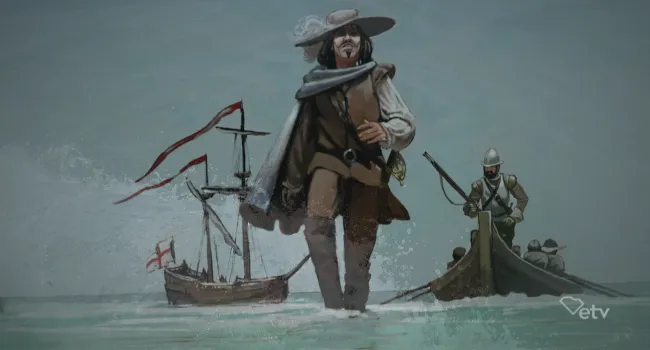
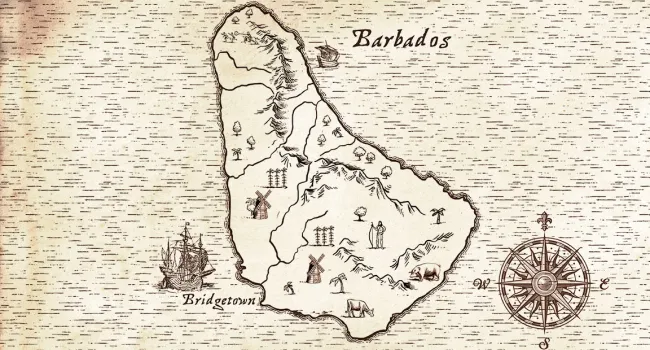
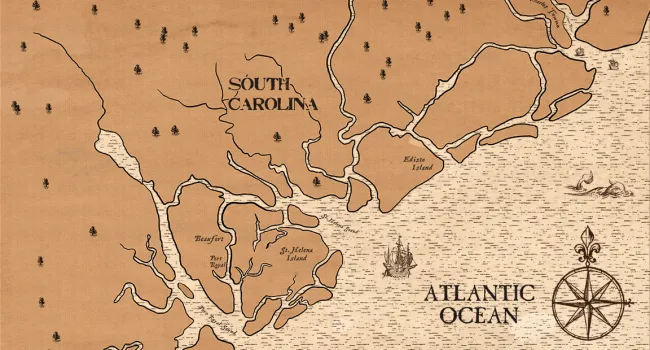
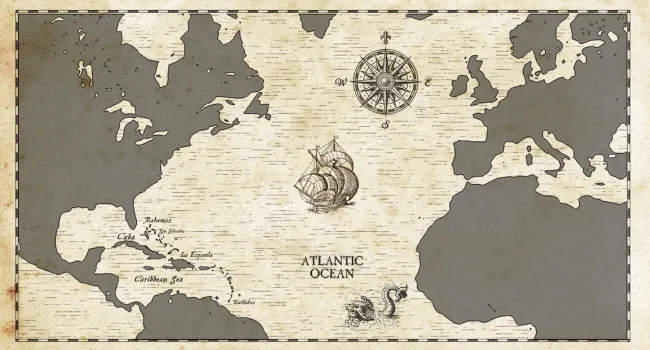
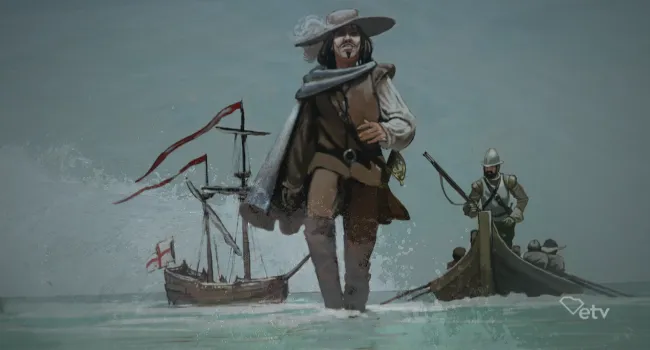
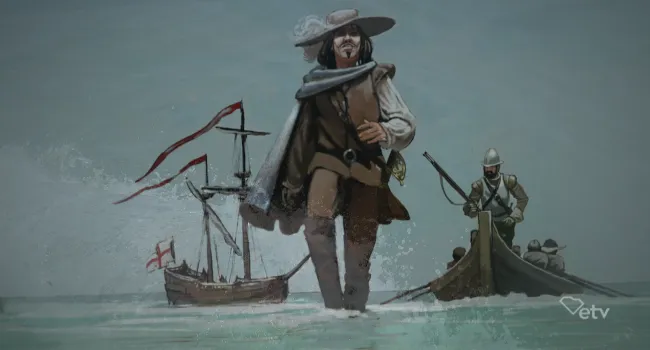
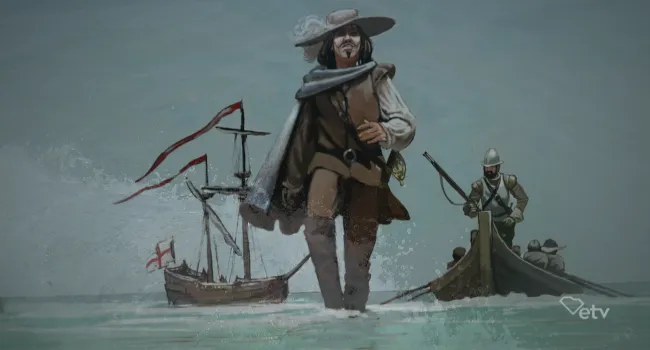
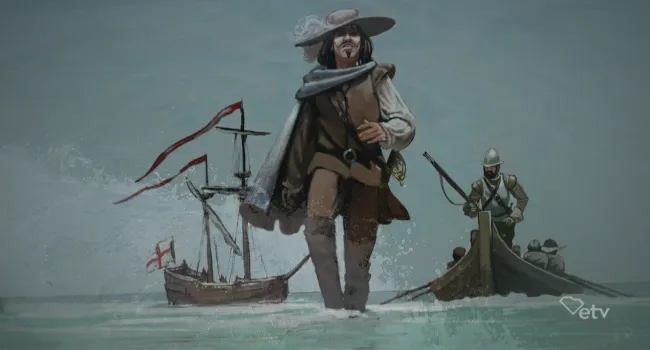
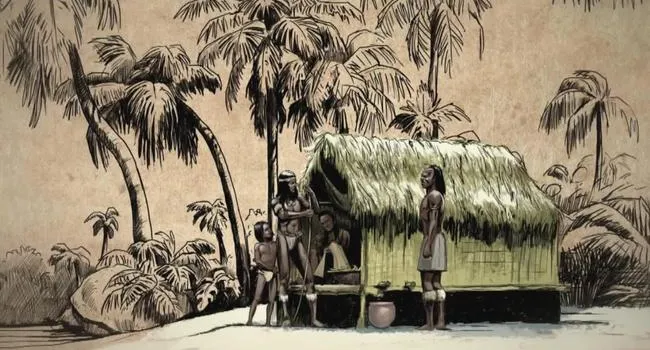
Beyond Barbados Part 3- The Barbados Adventures video segment focuses on the growth and wealth of Barbados with sugar cane as the cash crop. It notes that Europeans developed plantations throughout the island of Barbados which became detrimental to their continued survival in Barbados and began to seek a new area to colonize to support Barbados. This led to Europeans colonizing what later became South Carolina. The video notes that the plantation system used in Barbados was transplanted to South Carolina.
Identify and compare significant turning points, including the related causes and effects that affect historical continuity and change.
To demonstrate their ability to use the skill of causation, students should:
● identify significant events that led to change or maintain continuity.
● evaluate the causes of turning points and how they lead to change or continuity.
● evaluate the effects of turning points and how they lead to change or continuity.
● compare the importance of turning points related to causality.
Lesson Created By: FranklinGause
Essential Question
How does unequal wealth distribution contribute to racial inequities and unequal social relationships?
Lesson Focus Questions
- What were the major events that led to the growth and development of South Carolina’s economical, political, and social structure of the colony?
- What factors contributed to the development of South Carolina’s economic system and how did these factor impact Africans and Europeans?
Grade(s):
- 4
- 6
- 8
Subject(s):
Recommended Technology:
Other Instructional Materials or Notes:
Materials for activities:
Activity #1:
Beyond Barbados: Part 3 Barbados Adventures video clip
Capture Sheet Chart
Activity #2
What's Your Name Scene in Roots
Activity #3:
“Seasoning” the Slaves Article (included with lesson plan)
Student Reflection Activity Page (included with lesson plan)
Color pencils/markers (optional)
Activity #4:
Pictures/Drawings on Slavery Period
Chart paper or legal-sized paper
Markers
Activity #5:
Forgotten Fields: Inland Rice Plantations in the South Carolina Lowcountry article
Mind Map Instruction Page
Chart Paper
Markers
Index Cards
Activity #6:
Chart paper (Teacher can also create the Parking Lot on the board)
Post-its
Student Assessment Guide (SAG) (included with lesson plan)
Vocabulary:
Slavery, Plantation, Resistance, Bondage, Chattel, Cash Crop, Race, Immunity, Malaria, Oppression, Dysentery, Seasoning, Negro, Cultivate, Hierarchy, Flogging, Malnutrition
Lesson Progression
Activity #1
This activity is designed to help summarize the ideas of the Beyond Barbados video clip #3. The teacher will introduce the lesson and go over with the students the Essential Question and the Focus Questions of the lesson. The teacher will then show students Beyond Barbados: Part 3 Barbados Adventures. The teacher will instruct students to complete the Capture Sheet chart along with the video. Afterward, the teacher will have students work in pairs or groups to answer the questions below the chart using their notes and each other. The teacher will have a brief whole group discussion with students after they had time to answer questions. This activity should take 15-20 minutes.
Activity #2
Video Clip Analysis
This video clip is designed to provide an understanding of the treatment of Africans during slavery and to help facilitate conversation about why things happened in this manner and how it affected other Africans during slavery. The teacher will show students a video clip from the movie Roots to analyze. The teacher should remind students about the sensitivity of the topic before beginning the clip and after viewing. The teacher will use the Turn and Talk strategy and ask students to answer the question presented with the strategy. This activity should take 10-15 minutes.
Turn and Talk
What: One of the most basic collaborative learning strategies that can be used in a classroom.
How:
Question - When examining the video clip, how did slavery affect different groups in society? A one-to-two minute discussion is most productive.
Turn - Have students turn to a specific partner. Pair students using Eyeball Partners, Shoulder Partners, or Clock Partners. Partner assignments should be set up beforehand so that students can quickly and easily pair up.
Talk - Set a timer for the allotted time, and have students begin discussing the assigned question or prompt. When time is up, ask partners to share out thoughts and ideas from their discussion with the class.
Activity #3
This activity is designed to provide an understanding of the forced transitional process for Africans to be converted for slave labor. The teacher will give students a copy of the “Seasoning” the Slaves article. The teacher will do a Read Aloud of the article and ask students to read along silently and highlight/make notes on their article page during the read aloud. The teacher will instruct students to write a reflection about the article after the read aloud and draw a picture or symbol to represent their thoughts at the bottom of their reflection. This activity should take 10-15 minutes.
Activity #4
This activity is designed to provide a perspective on slavery and what it was like for Africans during the period using pictures. The teacher will put pictures on the wall with enough spacing for small group rotations. Below each picture, they will put a sheet of chart paper or legal-sized paper below each picture. The teacher will group students, then instruct groups to go to each picture (in rotations), analyze and discuss in pairs or small groups, what they see in the picture. The teacher will instruct students to write one word or short phrase on the paper below each picture. Students should spend no more than one minute at each picture. When all students have seen each picture, the teacher will go over what students wrote under each picture to summarize their thoughts on slavery. The teacher should facilitate a conversation with students to help synthesize their understanding of slavery and how it affected African people. This activity should take 20-25 minutes.
Activity #5
This activity is designed to provide an understanding of the factors that contributed to the development of South Carolina’s economic system and the subsequent impact on different populations within the colony and the developmental events of South Carolina that impacted the economic, political, and social structure of the colony. The teacher will have students work in groups and provide each group a copy of the Forgotten Fields: Inland Rice Plantations in the South Carolina Lowcountry article. The teacher will instruct students to create a Mind Map, on chart paper, that illustrates and explains the relationships that exist with the bold terms in the article (enslaved African labor, inland rice cultivation, Charles Town, and race and power hierarchies). The teacher will instruct students to use their Mind Maps to complete the questions provided (on the Mind Map instructions page) on the index cards given by the teacher (each student will need to write the questions on the index card and answer them). The teacher will provide students 15-20 minutes to complete. Afterward, the teacher will have each group present their Mind Map for the class. The teacher will summarize the ideas presented by the groups to support students’ understanding. The teacher can facilitate discussion after the summary.
Activity #6
Assessment/Evaluation
The teacher will review with students the Essential Question and the Focus Questions of the lesson to check for understanding. The teacher will share with students the Parking Lot (teacher will write at the top of a sheet of chart paper Parking Lot and place near the door or a designated space left to the discretion of the teacher. The Parking Lot can also be created on the board.) and inform them to write on a post-it a statement or question about something specific that they didn’t understand or is still not sure about.
The teacher will also have students complete a Student Assessment Guide (SAG) to evaluate their engagement and performance during the lesson and their group’s engagement and performance. The SAG will be turned in at the end of class.
Teacher Notes
This lesson is approximately 90-120 minutes. This lesson has been prepared to support and enrich the learning experience of students after they have watched Beyond Barbados: Part 3 Barbados Adventures. A variety of activities have been provided to address to support student engagement in the learning environment. Some materials needed for this lesson plan are included with the lesson plan document or linked to the lesson plan. The academic vocabulary has been provided. The teacher will need to provide an opportunity for students to learn the vocabulary before beginning the activities included with this lesson plan.
Beyond Barbados | Carolina Stories
The Barbados Adventurers With the success of the sugarcane crop, Barbados quickly became the wealthiest colony in the New World, and the most densely populated place on the planet. Successful...
View AssetBeyond the Barbados: The Carolina Connection Learning Activity
Sometimes the history of a place begins elsewhere and the colony of South Carolina actually began somewhere else, almost two thousand miles across the sea. The settlement of Charles Towne that would...
View AssetBeyond Barbados: Sweet Success | Carolina Stories
Sweet Success Dutch Sephardic Jewish colonists moved from Brazil to Barbados to escape the religious persecution of the Spanish Inquisition. These Sephardic Jews brought with them the knowledge to...
View AssetBeyond Barbados | Carolina Stories
In The Beginning Most students today understand that the Carolinas were colonized by the English who had come to the Charleston area by way of Caribbean trade routes, primarily Barbados. The story of...
View AssetBeyond Barbados | Carolina Stories
From Whence They Came Gullah is the blending of all the cultures that came together during that horrible time in human history called the Transatlantic Slave Trade. The connection between Barbados and...
View AssetBeyond Barbados | Carolina Stories
Colony Of A Colony Most of the colonists who settled in Carolina were wealthy English planters, with names such as Middleton, Drayton, Colleton, and Yeamans. The vast wealth accrued in Carolina was...
View AssetBeyond Barbados | Carolina Stories
A Cultural Hearth The success of Barbados, Carolina, America, the New World for that matter is coterminous with slavery. The labor, the technology, the ingenuity, and the culture that supported this...
View AssetBeyond Barbados | Carolina Stories
The Barbados Adventurers With the success of the sugarcane crop, Barbados quickly became the wealthiest colony in the New World, and the most densely populated place on the planet. Successful...
View AssetActivity #1: Capture Sheet
View ResourceActivity #2 Read Aloud Black Voice News “Seasoning” The Slaves
View ResourceActivity #3 Read Aloud Black Voice News “Seasoning” The Slaves
View ResourceActivity # 4 Pictures
View ResourceActivity #5 Culminating Activity Forgotten Fields: Inland Rice Plantations in the South Carolina Lowcountry
View ResourceActivity #6: Mind Map Instructions Strategy: Mind Mapping
View ResourceWhat's Your Name Scene in Roots
View ResourceStandards
- 4.1.E Analyze multiple perspectives on the economic, political, and social developments of British North America and South Carolina.
- 6.3.CO Compare European motivations for exploration and settlement.
- This indicator was developed to encourage inquiry into European motivations for exploration and settlement as a result of the closing of the Silk Road. This indicator was also written to foster inquiry into the development of the Atlantic World, and the resulting economic, political, and social transformations in European, American, and African societies.
- 8.1.CE Analyze the factors that contributed to the development of South Carolina’s economic system and the subsequent impacts on different populations within the colony.
- This indicator was designed to encourage inquiry into the geographic and human factors that contributed to the development of South Carolina’s economic system. This indicator was also written to encourage inquiry into South Carolina’s distinct social and economic system as influenced by British Barbados.
- 8.1.P Summarize major events in the development of South Carolina which impacted the economic, political, and social structure of the colony.
- This indicator was designed to encourage inquiry into the development of South Carolina as a result of mercantilist policies, which ranged from the Navigation Acts to trade with Native Americans to the use of enslaved people as labor. This indicator was designed to promote inquiry into agricultural development, using the rice-growing knowledge of the enslaved West Africans.
- 8.1.E Utilize a variety of primary and secondary sources to examine multiple perspectives and influences of the economic, political, and social effects of South Carolina’s settlement and colonization on the development of various forms of government across the colonies.
Assessments
Assessment/Evaluation
The teacher will review with students the Essential Question and the Focus Questions of the lesson to check for understanding. The teacher will share with students the Parking Lot (teacher will write at the top of a sheet of chart paper Parking Lot and place near the door or a designated space left to the discretion of the teacher. The Parking Lot can also be created on the board.) and inform them to write on a post-it a statement or question about something specific that they didn’t understand or is still not sure about.
The teacher will also have students complete a Student Assessment Guide (SAG) to evaluate their engagement and performance during the lesson and their group’s engagement and performance. The SAG will be turned in at the end of class.