Between the Waters – Analyzing Historical Photographs Activity

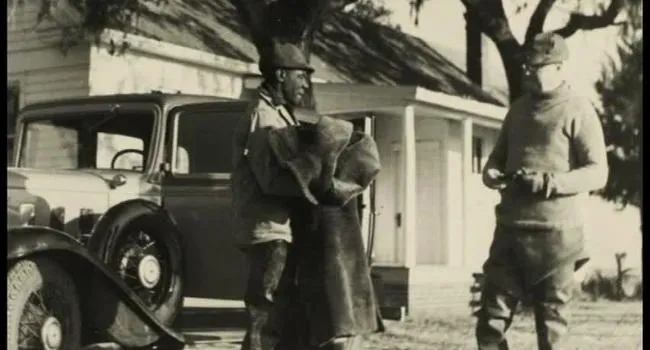
Students will examine and analyze the historical photographs found on the sites, Between the Waters, Georgetown County Digital Library, and the Belle W. Baruch Collection .
Lesson Created By: Kelly Hogan Kinard - Edited by Lisa Ray & Lewis Huffman
Lesson Partners: The Belle W. Baruch Foundation, ETV Education
Grade(s):
- 5
- 8
Subject(s):
Recommended Technology:
Computer with internet access.
Other Instructional Materials or Notes:
Lesson Progression
Before beginning this lesson, take time to look at the historical photographs on Between the Waters and Georgetown County Digital Library’s Belle W. Baruch Collection http://www.gcdigital.org/cdm/
- Select a photo and show it to students. Model an analysis of the photograph by clearly describing the people, objects and setting, and inferring from this the mood of the photo, what additional information the caption provides, and why it may have been taken.
- Show students another photograph and guide the students through a whole-group analysis of the photograph using questions from the Library of Congress teacher guide, “Using Primary Sources: Analyzing Photographs & Prints”: http://www.loc.gov/teachers/usingprimarysources/resources/Analyzing_Phot...
- Assign or invite students to select two photographs. Ask students to write down the details of what they see and then to determine what the photo is depicting. Distribute or project the “Using Primary Sources” form. Students may work individually or in pairs to answer the questions on the form.
- Create a handout or project the following additional set of questions to guide analysis.
- What is the caption next to the photograph?
- What do you see in the photograph? List details such as: Who are the people? What are they doing? What are they wearing, their surroundings, and equipment, etc.
- What is happening? Support the response by clues you see and have identified in the questions above.
- We can only speculate who might have taken this picture. Who do you think took the picture? Why would this person have taken the picture?
- Consider how this image serves as a visual document or record of the people, the time, and the place. What does the photograph tell you about the people, places and times at Hobcaw Barony?
- What details in the photograph support your ideas?
Teacher Notes
Extension:
Create a fictional Facebook account for the individual(s) in the photographs. Using the information learned in questions 1- 6 as background to make judgements about your individual/individuals, what would you include in your personality profile that would encourage “friend request” for your person(s)? What groups might your person(s) join? Share this with the class in either a class social network through yammer.com or through a district class site that your teacher has already created and can be shared with other 8th grade classes.
Photography Word Bank/Vocabulary
- composition - the arrangement of the elements (subject and other objects) in a scene or photograph
- contrast – the range of difference between highlights and shadow areas in an image
- focus – the clear and sharply designed condition of an image, as in “this image is in focus,” meaning it is sharp and well defined
- camera angle – the position of the camera relative to the position of the subject takes up a large portion of the frame
- close up – a shot in which the subject takes up a large portion of the frame—focusing on detail and expression
- long shot or wide shot – a shot which shows an overall view from a distance
- background – the area within the frame that is behind the subject of a photograph
- foreground – the area of a scene that is nearest the viewer—usually the bottom third
Between the Waters website
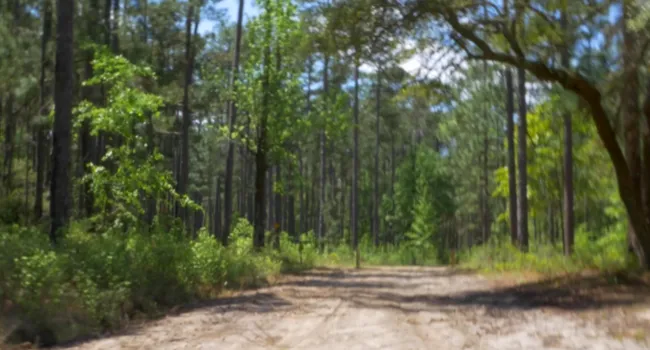
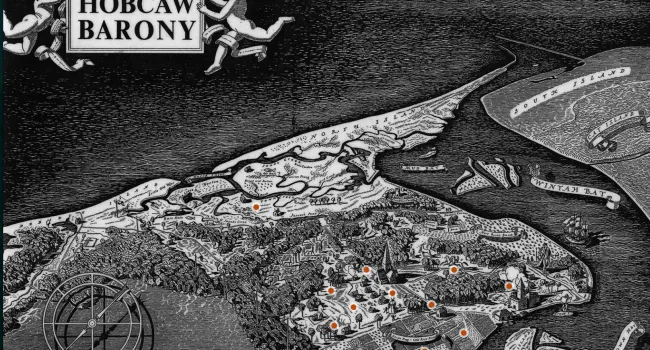
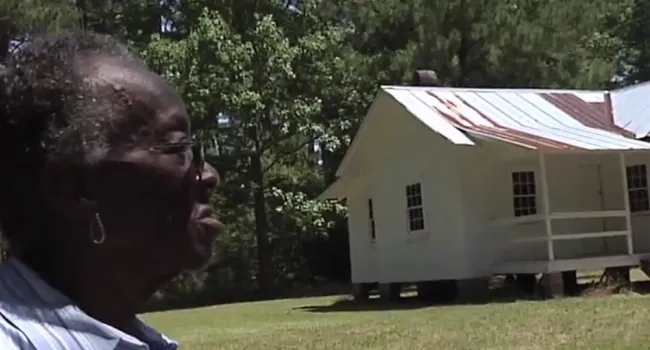
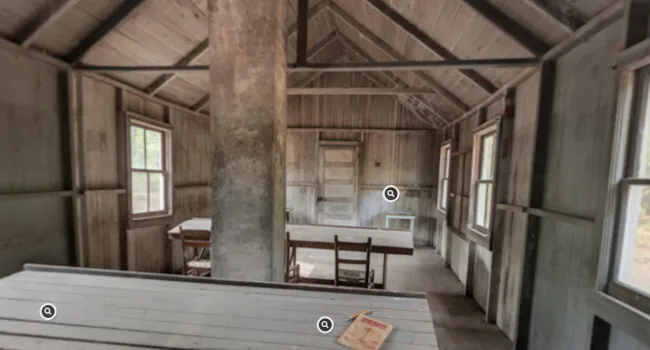
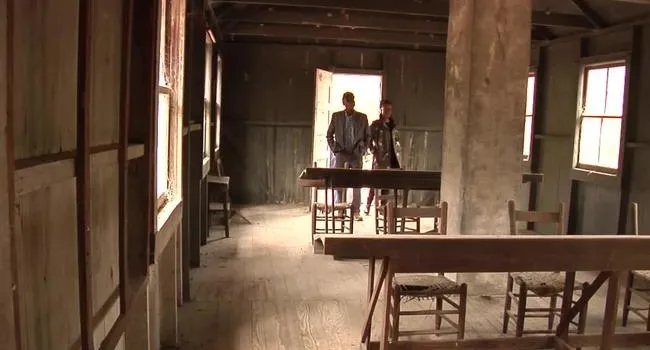
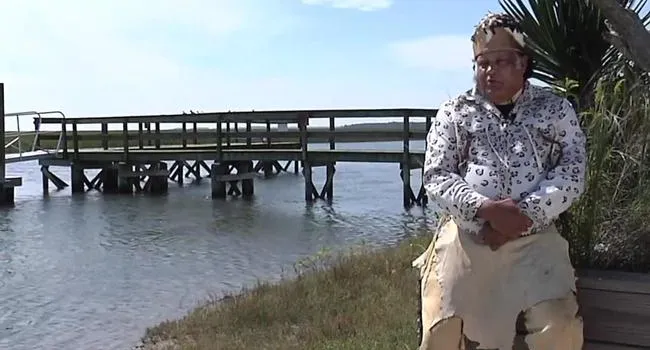
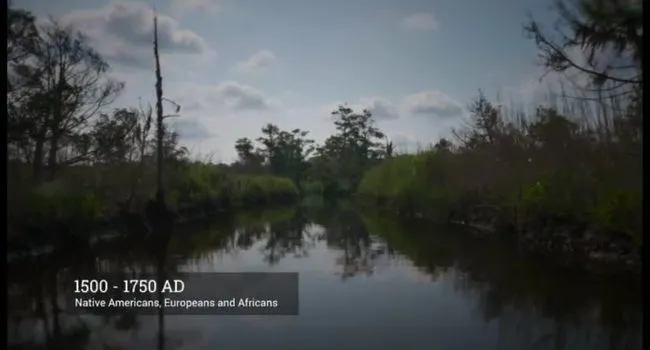
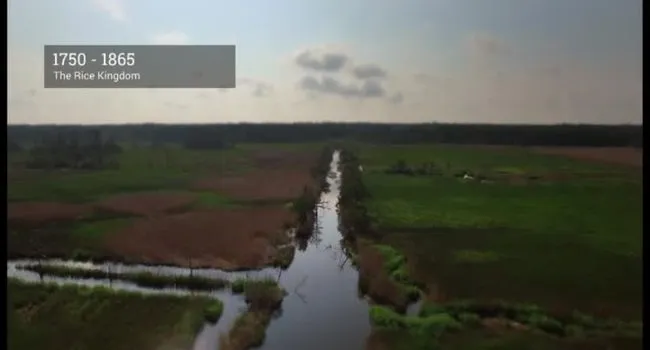
Between the Waters is SCETV’s immersive transmedia website showcasing the culture and history of Hobcaw Barony, a 16,000 acre historic site on the coast of South Carolina. Located between Charleston and Myrtle Beach, Hobcaw is a crossroads representing every era of human history, providing a lens through which many threads of the nation’s story may be examined. Visitors to the Between the Waters website take a self-directed virtual tour of Hobcaw Barony, moving down the roads and rice canals, entering slave dwellings and grand houses, watching videos, examining photographs, and listening to historians and the first-person stories of former residents and relatives.
View ResourceThe Georgetown County Digital Library
The Georgetown County Digital Library provides the opportunity to explore the unique and diverse history of the people and places that shaped Georgetown County. Explore the past through rare photographs, newspapers, real estate indentures, journals and letters.
View ResourceTeacher's Guide - Analyzing Photographs & Prints
Helping students to identify questions appropriate for further investigation, and to develop a research strategy for finding answers
View ResourceStandards
- 8-6 The student will demonstrate an understanding of the role of South Carolina in the nation in the early twentieth century.
- South Carolina’s response to national crises during the first half of the twentieth century brought it back into full participation in the national experience. To understand the state’s changed status, the student will utilize the knowledg...
- 8-6.2 Explain the causes and effects of changes in South Carolina and the nation as a whole in the 1920s, including Prohibition, the destruction caused by the boll weevil, the rise of mass media, improvements in daily life, increases in tourism and rec...
- 8-6.4 Explain the effects of the Great Depression and the lasting impact of the New Deal on people and programs in South Carolina, including James F. Byrnes and Mary McLeod Bethune, the Rural Electrification Act, the general textile strike of 1934, the...
- 8-6.5 Compare the ramifications of World War II on South Carolina and the United States as a whole, including the training of the Doolittle Raiders and the Tuskegee Airmen, the building of additional military bases, the rationing and bond drives, and t...
- 8-6.1 Explain the reasons for United States involvement in World War I and the war’s impact on South Carolina and the nation as a whole, including the building of new military bases and the economic impact of emigration to industrial jobs in the ...
- South Carolina’s response to national crises during the first half of the twentieth century brought it back into full participation in the national experience. To understand the state’s changed status, the student will utilize the knowledg...
- I Inquiry-Based Literacy Standards
- RI.MC.7 Research events, topics, ideas, or concepts through multiple media, formats, and in visual, auditory, and kinesthetic modalities.
- 5.2.CX Contextualize the post-war economic climate on the cultural landscape throughout the United States and South Carolina.
- 5.2.E Evaluate multiple perspectives from the period, including the economic, political, and social impacts of World War I, the 1920s, the Great Depression, and the New Deal using primary and secondary sources.
- 5.3 Demonstrate an understanding of the economic, political, and social effects of World War II, the Holocaust, and their aftermath (i.e., 1930–1950) on the United States and South Carolina.
- 8.4.CE Explain the causes and effects of World War I on South Carolina and the United States.
- This indicator was developed to encourage inquiry into the significant causes of World War I and the factors leading to U.S. involvement. This indicator was also developed to promote inquiry into the effects of the war, to include its impact on the homefront, migration patterns, and continued foreign policy debates.
- This indicator was developed to encourage inquiry into how the former planter class, African Americans, women, and others adjusted to, gained, lost, and/or regained position and status during Reconstruction. This indicator was also written to foster inquiry into how South Carolina worked with a stronger federal government and expanding international markets.
- 8.4.CC Analyze continuities and change in the African American experience in the period of Reconstruction and Jim Crow eras within South Carolina.
- 8.4.E Utilize a variety of primary and secondary sources to analyze multiple perspectives of the challenges and changes within South Carolina and the nation that allowed the U.S. to emerge as a global power during the time period 1862–1929.
- This indicator was designed to promote inquiry into the devastation of the Great Depression and the impact of the New Deal on a largely agricultural South Carolina. This indicator was also designed to foster inquiry into the economic diversification between World War II and the present, to include tourism, global trade and industry, and the maintenance of military bases.
- 8.5.E Utilize a variety of primary and secondary sources to analyze multiple perspectives on the cultural changes in South Carolina and the U.S.
Assessments
Photo Analysis Rubric
https://docs.google.com/document/d/11GmaYXBF3Gwt-1Q2Xtus9iXbfMoAvuiTb165...