ETV StreamlineSC

Find video series that have been locally produced by SCETV, or by SCETV with other entities, or with rights obtained for South Carolina-use ONLY.

Please note that some programs may be downloaded for educational use ONLY; however, others have rights restrictions that do not allow for downloading. For videos that can be downloaded for educational use, you will see a download button under the video player. Please contact us with any questions. 

Content Type
 Appalachian Cove (S.C.) Stop 3 8

Video

Grades

  • 3
  • 4
  • 5
  • 6
  • 7
  • 8
  • 9
  • 10
  • 11
  • 12
Appalachian Cove (S.C.) Stop 3
Episode 8
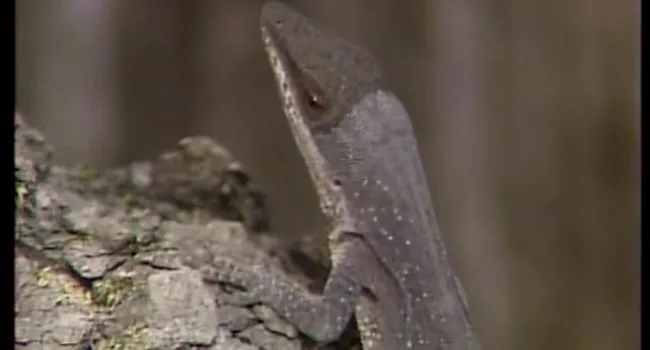
In the same stop, Rudy and Jim find a species of reptile called the Green Anole lizard, and they describe the differences between a salamander and a lizard. Illustrating more of the forest’s diversity...
Appalachian Cove (S.C.) Stop 3 - Green Anole, Jack-In-The-Pulpit, And Yellowroot | NatureScene
   - Episode 8 Appalachian Cove (S.C.) Stop 2 5

Video

Grades

  • 3
  • 4
  • 5
  • 6
  • 7
  • 8
  • 9
  • 10
  • 11
  • 12
Appalachian Cove (S.C.) Stop 2
Episode 5
When pieces of trees fall to the ground, nature has a way to recycle that debris. A species of mushroom known as the False Turkey Tail helps break down the rotting wood, adding nutrients to soil in...
Appalachian Cove (S.C.) Stop 3 - Green Anole, Jack-In-The-Pulpit, And Yellowroot | NatureScene
   - Episode 8 Appalachian Cove (S.C.) Stop 2 3

Video

Grades

  • 3
  • 4
  • 5
  • 6
  • 7
  • 8
  • 9
  • 10
  • 11
  • 12
Appalachian Cove (S.C.) Stop 2
Episode 3
Cove forests are very popular with visitors, due to the rich bottom soil found here. One animal which does very well in these areas is the beaver. Its work can be seen here with its telltale signs of...
Appalachian Cove (S.C.) Stop 3 - Green Anole, Jack-In-The-Pulpit, And Yellowroot | NatureScene
   - Episode 8 Appalachian Cove (S.C.) Stop 4 9

Video

Grades

  • 3
  • 4
  • 5
  • 6
  • 7
  • 8
  • 9
  • 10
  • 11
  • 12
Appalachian Cove (S.C.) Stop 4
Episode 9
The cove got its shape from streams of water periodically carving out the rock. Witch Hazel and Rhododendrons are species of plants which benefit from the moisture of nearby streams.
 Sandy Island (S.C.) Stop 7 8

Video

Grades

  • 3
  • 4
  • 5
  • 6
  • 7
  • 8
  • 9
  • 10
  • 11
  • 12
Sandy Island (S.C.) Stop 7
Episode 8
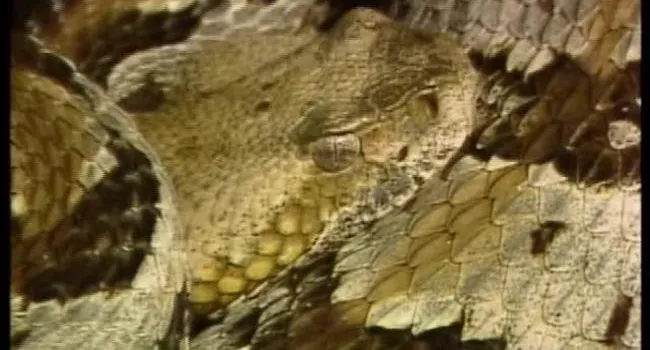
In this next area, Rudy and Jim come across a raccoon skull, which was most likely killed by a predator. A canebrake rattlesnake rests coiled up on a bed of leaves, showing how it perfectly blends in...
 Sandy Island (S.C.) Stop 9 11

Video

Grades

  • 3
  • 4
  • 5
  • 6
  • 7
  • 8
  • 9
  • 10
  • 11
  • 12
Sandy Island (S.C.) Stop 9
Episode 11
While strolling through the longleaf pine forest, Rudy and Jim come across a prominent moth. Its color pattern on the wings mimics tree bark near perfectly, making it tougher for predators to spot...
 Sandy Island (S.C.) Stop 2 3

Video

Grades

  • 3
  • 4
  • 5
  • 6
  • 7
  • 8
  • 9
  • 10
  • 11
  • 12
Sandy Island (S.C.) Stop 2
Episode 3
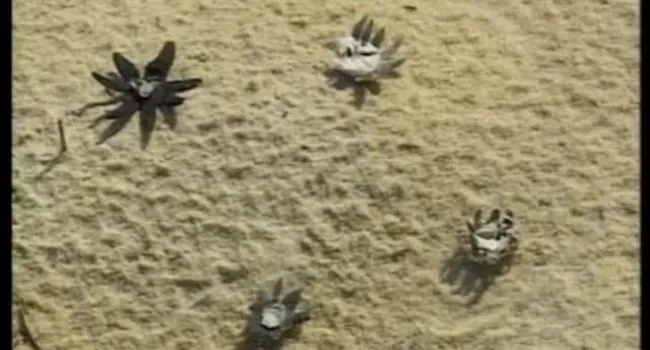
The Earthstar is a star shaped species of fungus which commonly grows on these dunes.
 Sandy Island (S.C.) Stop 4 5

Video

Grades

  • 3
  • 4
  • 5
  • 6
  • 7
  • 8
  • 9
  • 10
  • 11
  • 12
Sandy Island (S.C.) Stop 4
Episode 5
Rudy and Jim visit an ecotone, which is a line between two different habitats: one more dry, and one moister. Here we see a fetterbush, the inkberry or gallberry, which is another species of holly...

 Sandy Island (S.C.) Stop 8 9

Video

Grades

  • 3
  • 4
  • 5
  • 6
  • 7
  • 8
  • 9
  • 10
  • 11
  • 12
Sandy Island (S.C.) Stop 8
Episode 9
Cypress Tupelo Swamp: The ground here close to Indian Lake is perfect for tree species such as old cypress, red maples, and tupelos. Water pennywort resides in the water itself, and mistletoe is both...

 Sandy Island (S.C.) Stop 3 4

Video

Grades

  • 3
  • 4
  • 5
  • 6
  • 7
  • 8
  • 9
  • 10
  • 11
  • 12
Sandy Island (S.C.) Stop 3
Episode 4
Sandy Island features around thirteen plant communities. At their next stop, Rudy and Jim discuss the plant life which resides here. They talk about reindeer moss, a species of lichen, and what...

 Sandy Island (S.C.) Stop 2 2

Video

Grades

  • 3
  • 4
  • 5
  • 6
  • 7
  • 8
  • 9
  • 10
  • 11
  • 12
Sandy Island (S.C.) Stop 2
Episode 2
Jim and Rudy discuss the composition of the sand dunes on Sandy Island, and how wind and water have shifted the dunes over time. The waters between these slopes make perfect hunting ground for local...

 Sandy Island (S.C.) Stop 5 6

Video

Grades

  • 3
  • 4
  • 5
  • 6
  • 7
  • 8
  • 9
  • 10
  • 11
  • 12
Sandy Island (S.C.) Stop 5
Episode 6
Rudy and Jim walk through a longleaf pine habitat, and come across a loblolly pine with a red-cockaded woodpecker nest. We also see Turkey oak trees, and yellow jessamine flowers. The yellow jessamine...
 Sandy Island (S.C.) Stop 1 1

Video

Grades

  • 3
  • 4
  • 5
  • 6
  • 7
  • 8
  • 9
  • 10
  • 11
  • 12
Sandy Island (S.C.) Stop 1
Episode 1
Rudy and Jim visit Sandy Island, off the South Carolina coast, near Georgetown. Sandy Island is the largest undeveloped fresh water island on the East coast, consisting mainly of sand dunes, and...
 Sandy Island (S.C.) Stop 6 7

Video

Grades

  • 3
  • 4
  • 5
  • 6
  • 7
  • 8
  • 9
  • 10
  • 11
  • 12
Sandy Island (S.C.) Stop 6
Episode 7
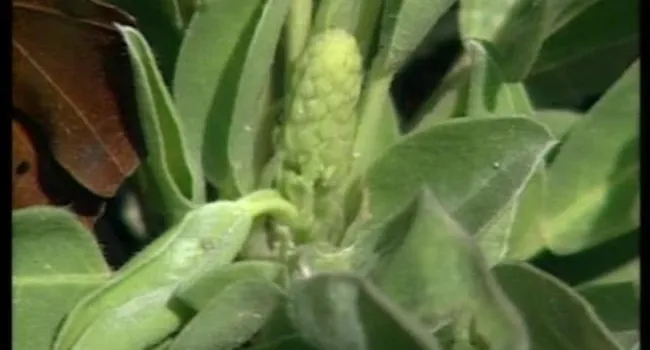
Here at The Refuge, Rudy and Jim come across a rare plant in South Carolina: rosemary. Not to be confused with the rosemary spice one would find in a kitchen. Turkey oaks are found here as well, along...
Sandy Island (S.C.) Stop 9 - Prominent Moth And Red Cockaded Woodpecker
   - Episode 11 Sandy Island (S.C.) Stop 8 10

Video

Grades

  • 3
  • 4
  • 5
  • 6
  • 7
  • 8
  • 9
  • 10
  • 11
  • 12
Sandy Island (S.C.) Stop 8
Episode 10
In the same area, we see two white ibis birds. The ibis population in S.C. has increased dramatically since the 1920’s. The eastern cottonmouth is a common species of snake found in the Lowcountry
 Little Pee Dee River (S.C.) Stop 4 8

Video

Grades

  • 3
  • 4
  • 5
  • 6
  • 7
  • 8
  • 9
  • 10
  • 11
  • 12
Little Pee Dee River (S.C.) Stop 4
Episode 8
Canopy trees, such as the Live Oak trees, Southern Magnolia trees, and Pignut Hickory trees compete for sunlight. Rough Green Snakes are a non-poisonous species of snake commonly found in canopy trees...
 Little Pee Dee River (S.C.) Stop 2 4

Video

Grades

  • 3
  • 4
  • 5
  • 6
  • 7
  • 8
  • 9
  • 10
  • 11
  • 12
Little Pee Dee River (S.C.) Stop 2
Episode 4
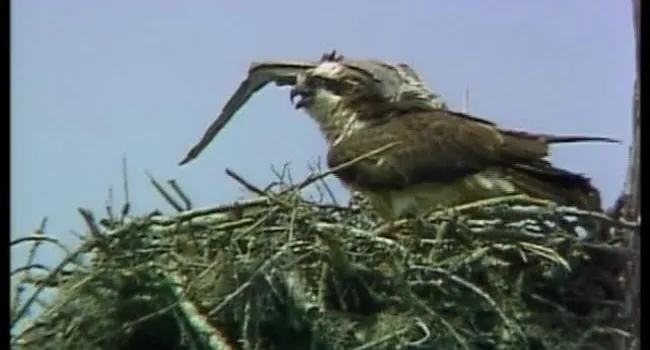
The Osprey, one of the species of birds found in this area, has repurposed a dead oak tree by building a nest on top of it. The Osprey reuses its same nest year after year.
 Little Pee Dee River (S.C.) Stop 5 9

Video

Grades

  • 3
  • 4
  • 5
  • 6
  • 7
  • 8
  • 9
  • 10
  • 11
  • 12
Little Pee Dee River (S.C.) Stop 5
Episode 9
In areas known as lime sinks, plants get more moisture and sunlight. Some of the plant life we see here are horse sugar plants, holly bushes, and lizard’s tail plants. While in the lime sink, Rudy and...
 Little Pee Dee River (S.C.) Stop 3 6

Video

Grades

  • 3
  • 4
  • 5
  • 6
  • 7
  • 8
  • 9
  • 10
  • 11
  • 12
Little Pee Dee River (S.C.) Stop 3
Episode 6
Still in an area close to the coast, we see different plant life due to the significantly lower levels of salinity. Willow trees grow here, and a Yellow Crowned Night Heron bird has built a nest in a...
 Little Pee Dee River (S.C.) Stop 2 3

Video

Grades

  • 3
  • 4
  • 5
  • 6
  • 7
  • 8
  • 9
  • 10
  • 11
  • 12
Little Pee Dee River (S.C.) Stop 2
Episode 3
In the marsh areas close to the South Carolina coast, a tree which lives very well is the Southern Red Cedar tree.
 Little Pee Dee River (S.C.) Stop 1 2

Video

Grades

  • 3
  • 4
  • 5
  • 6
  • 7
  • 8
  • 9
  • 10
  • 11
  • 12
Little Pee Dee River (S.C.) Stop 1
Episode 2
Bracken Ferns, Bull Nettles, and the Fetterbush see widespread growth in this area. In lower, wetter areas known as pocosins, we find the Virginia Chain Fern, and a species of shrub called Pond Spice.
 Little Pee Dee River (S.C.) Stop 3 7

Video

Grades

  • 3
  • 4
  • 5
  • 6
  • 7
  • 8
  • 9
  • 10
  • 11
  • 12
Little Pee Dee River (S.C.) Stop 3
Episode 7
The Southern Toad is a species of amphibian typical to the coastal plain. It is easily distinguishable due to the pair of crests between the eyes. The Long Winged Skimmer, an amber colored dragonfly...