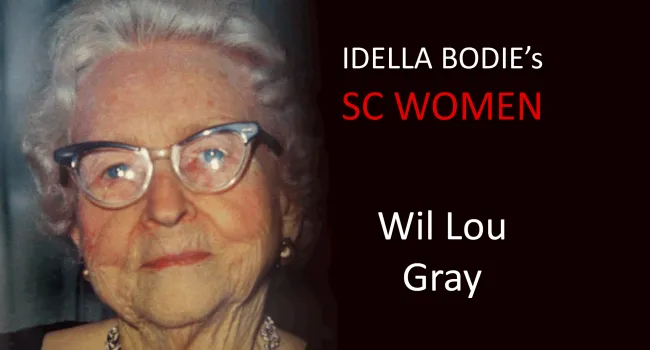
Wil Lou Gray, Part 1 - Wil's Early Years
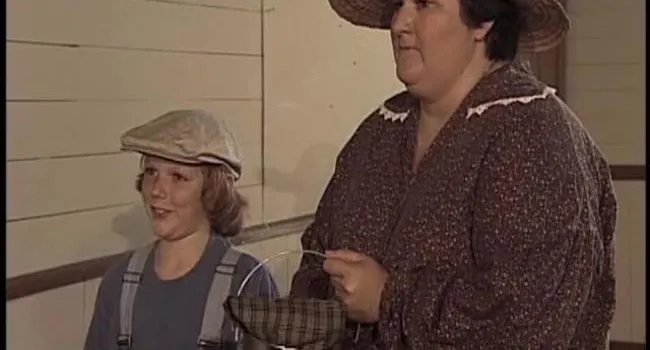
A young Wil Lou Gray struggles to move from childhood to adulthood, and struggles further to act like a lady. She argues with her brother Dial.
Classroom Activities
Research: Individual students or small groups. Students utilize a variety of research materials to create a short presentation about the different stages of Wil Lou Gray’s life; as a child living in Laurens, as a young lady going to college, as a young lady teaching in a one room schoolhouse, as a young woman working with adult education and as the person helping to start the South Carolina Opportunity School later named for Dr. Wil Lou Gray.
Character Education: After researching Dr. Wil lou Gray, the students should list the qualities that enabled her to achieve her goals as well as the obstacles she faced. Compare Dr. Wil Lou Gray with one of today’s leaders in education.
Bulletin Board: Create a class bulletin board of Wil Lou Gray’s life.
38. Compare and Contrast: Compare and contrast the physical appearance, both inside and out, of Wil Lou Gray’s first school and your school today. Which school would you rather go to for your education and why? Explain.
Analysis: Why was it so difficult to get adults educated? How did an education impact their family and communities?
Debate: Debate the community conflict of educating adults. Why was there disagreement over educating illiterate adults in rural communities?
Map Skills: Locate Laurens and the Wil Lou Gray Opportunity School in West Columbia on a South Carolina state map. Create driving directions from Laurens to the school.
Research: Class or small group project. Investigate the enrollment application process for the Wil Lou Gray Opportunity School. Who should apply? What educational opportunities are available? What are the requirements of the school? How many students are enrolled? What type of housing is available?
Field Trip: Take a field trip to the Wil Lou Gray Opportunity School in West Columbia. School Contact should be made for approval: 803-896-6480, Wil Lou Gray Opportunity School, 3300 West Campus Road, West Columbia, SC 29170
Wil Lou Gray, Part 1 - Wil's Early Years
A young Wil Lou Gray struggles to move from childhood to adulthood, and struggles further to act like a lady. She argues with her brother Dial.
Classroom Activities
Research: Individual students or small groups. Students utilize a variety of research materials to create a short presentation about the different stages of Wil Lou Gray’s life; as a child living in Laurens, as a young lady going to college, as a young lady teaching in a one room schoolhouse, as a young woman working with adult education and as the person helping to start the South Carolina Opportunity School later named for Dr. Wil Lou Gray.
Character Education: After researching Dr. Wil lou Gray, the students should list the qualities that enabled her to achieve her goals as well as the obstacles she faced. Compare Dr. Wil Lou Gray with one of today’s leaders in education.
Bulletin Board: Create a class bulletin board of Wil Lou Gray’s life.
38. Compare and Contrast: Compare and contrast the physical appearance, both inside and out, of Wil Lou Gray’s first school and your school today. Which school would you rather go to for your education and why? Explain.
Analysis: Why was it so difficult to get adults educated? How did an education impact their family and communities?
Debate: Debate the community conflict of educating adults. Why was there disagreement over educating illiterate adults in rural communities?
Map Skills: Locate Laurens and the Wil Lou Gray Opportunity School in West Columbia on a South Carolina state map. Create driving directions from Laurens to the school.
Research: Class or small group project. Investigate the enrollment application process for the Wil Lou Gray Opportunity School. Who should apply? What educational opportunities are available? What are the requirements of the school? How many students are enrolled? What type of housing is available?
Field Trip: Take a field trip to the Wil Lou Gray Opportunity School in West Columbia. School Contact should be made for approval: 803-896-6480, Wil Lou Gray Opportunity School, 3300 West Campus Road, West Columbia, SC 29170
Standards
- 3-5 The student will demonstrate an understanding of the major developments in South Carolina in the late nineteenth and the twentieth century.
- South Carolina experienced major economic, political, and social changes during the late nineteenth and the twentieth century. To understand the effects of these changes, the student will utilize the knowledge and skills set forth in the following ind...
- 3-5.2 Explain the causes and impact of emigration from South Carolina and internal migration from rural areas to the cities, including discrimination and unemployment; poor sanitation and transportation services; and the lack of electricity and other m...
- 3-5.3 Explain the effects of the Great Depression on daily life in South Carolina, including the widespread poverty and unemployment and the efforts of the federal government to create jobs through a variety of New Deal programs.
- South Carolina experienced major economic, political, and social changes during the late nineteenth and the twentieth century. To understand the effects of these changes, the student will utilize the knowledge and skills set forth in the following ind...
- 8-6 The student will demonstrate an understanding of the role of South Carolina in the nation in the early twentieth century.
- South Carolina’s response to national crises during the first half of the twentieth century brought it back into full participation in the national experience. To understand the state’s changed status, the student will utilize the knowledg...
- 8-6.2 Explain the causes and effects of changes in South Carolina and the nation as a whole in the 1920s, including Prohibition, the destruction caused by the boll weevil, the rise of mass media, improvements in daily life, increases in tourism and rec...
- 8-6.3 Explain the reasons for depressed conditions in the textile mills and on farms in South Carolina and other regions of the United States in the 1920s and the impact of these conditions on the coming of the Great Depression.
- South Carolina’s response to national crises during the first half of the twentieth century brought it back into full participation in the national experience. To understand the state’s changed status, the student will utilize the knowledg...