SC Veterans in History, Part 9 - Conclusion | Project Discovery - Episode 9

Kaltura

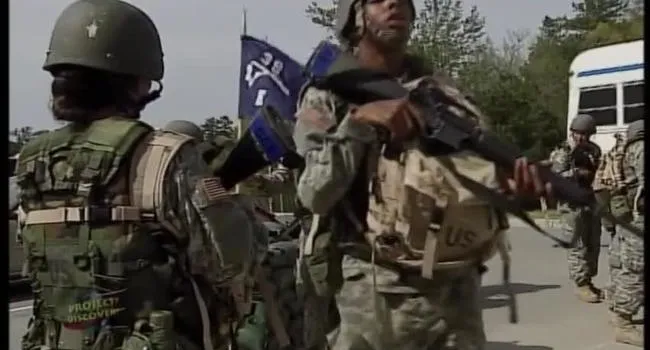
In this segment, the Korean War and the Vietnam War are discussed.

Korea was known as a police action, and 466 South Carolinians were killed in that conflict, and four received Medals of Honor.

In Vietnam, two South Carolinians distinguished themselves in extraordinary ways. Staff Sergeant Joe Hooper was America's most-decorated soldier from any international war, and was born in South Carolina. He received 37 medals, including the Medal of Honor, two Silver Stars, six Bronze Stars, and two Purple Hearts. In 1972, South Carolina Navy Seal Michael Thornton saved the life of his team's leader, Lt. Thomas Norris, also a Medal of Honor recipient six months prior. This was only the second time in history that a Medal of Honor recipient saved the life of another Medal of Honor recipient. 

Col. Kevin Shwedo discusses what is required of those who choose a military career. 
 

In this segment, the Korean War and the Vietnam War are discussed.

Korea was known as a police action, and 466 South Carolinians were killed in that conflict, and four received Medals of Honor.

In Vietnam, two South Carolinians distinguished themselves in extraordinary ways. Staff Sergeant Joe Hooper was America's most-decorated soldier from any international war, and was born in South Carolina. He received 37 medals, including the Medal of Honor, two Silver Stars, six Bronze Stars, and two Purple Hearts. In 1972, South Carolina Navy Seal Michael Thornton saved the life of his team's leader, Lt. Thomas Norris, also a Medal of Honor recipient six months prior. This was only the second time in history that a Medal of Honor recipient saved the life of another Medal of Honor recipient. 

Col. Kevin Shwedo discusses what is required of those who choose a military career. 
 

More in this Series

Project Discovery / S.C. Veterans in History

SC Veterans in History, Part 9 - Conclusion | Project Discovery
   - Episode 9 SC Veterans in History, Part 1 1

Video

Grades

  • 3
  • 4
  • 5
  • 6
  • 7
  • 8
  • 9
  • 10
  • 11
  • 12
SC Veterans in History, Part 1
Episode 1
Veterans Day was originally celebrated on Armistice Day on November 11, 1918 to commemorate the ending of hostilities in World War I. The Armistice was signed by President Woodrow Wilson on the 11th...
 SC Veterans in History, Part 4 4

Video

Grades

  • 4
  • 8
SC Veterans in History, Part 4
Episode 4
In this segment, a student asks why Francis Marion is called the Swamp Fox, and the answer is given that he was one of the first to use what we now know as guerilla tactics. He would hide in the swamp...
SC Veterans in History, Part 9 - Conclusion | Project Discovery
   - Episode 9 SC Veterans in History, Part 5 5

Video

Grades

  • 3
  • 4
  • 5
  • 6
  • 7
  • 8
SC Veterans in History, Part 5
Episode 5
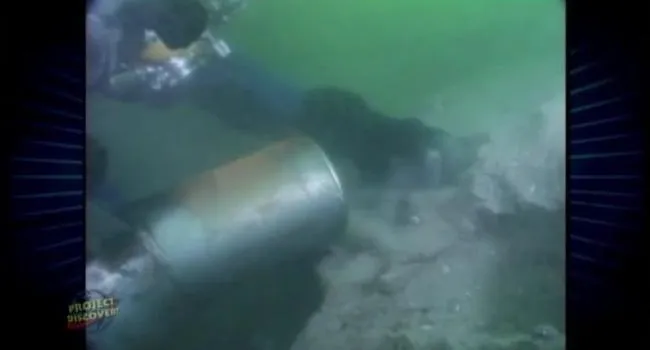
In this segment, footage from the excavation of the Hunley is provided, and information about the salt water keeping the metal from corroding is given. Footage of the Hunley being raised is included...
SC Veterans in History, Part 9 - Conclusion | Project Discovery
   - Episode 9 SC Veterans in History, Part 6 6

Video

Grades

  • 3
  • 4
  • 5
  • 6
  • 7
  • 8
SC Veterans in History, Part 6
Episode 6
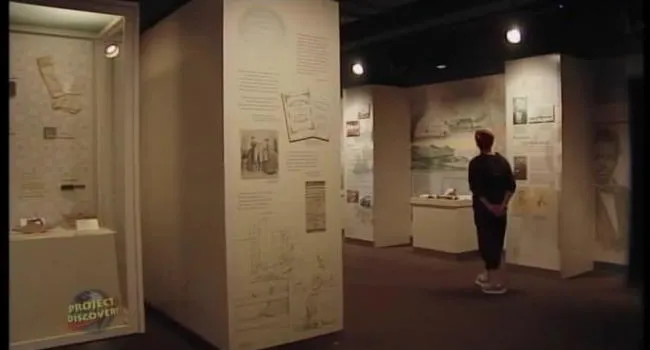
This segment provides information on the Confederate Relic Room and answers a question about women who served in the Civil War. The definition of the word "relic" is provided, and information about...
SC Veterans in History, Part 9 - Conclusion | Project Discovery
   - Episode 9 SC Veterans in History, Part 7  7

Video

Grades

  • 3
  • 4
  • 5
  • 6
  • 7
  • 8
SC Veterans in History, Part 7
Episode 7
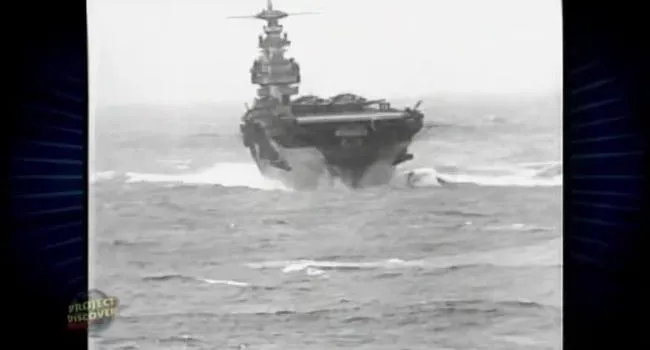
In 2009, student filmmaker Morgan Adams created a film about the Doolittle Raiders for the National History Day Competition. After the Japanese bombed Pearl Harbor, the United States government asked...
SC Veterans in History, Part 9 - Conclusion | Project Discovery
   - Episode 9 SC Veterans in History, Part 8 8

Video

Grades

  • 3
  • 4
  • 5
  • 6
  • 7
  • 8
SC Veterans in History, Part 8
Episode 8
A group of Columbia businessmen met one afternoon, raised the money, bought the acreage, and made a gift to the federal government of the land on which the camp was to be built. On June 2, 1917, Camp...