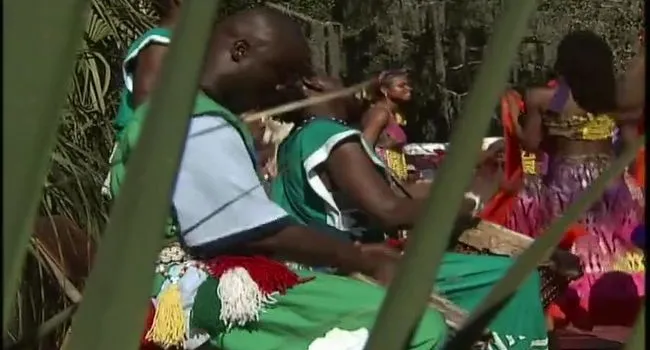
Located on St. Helena Island, some may remember it as Penn School, while others know it as Penn Center. St. Helena is one of the few places where you will see a living Gullah community. The history began in the area when the enslaved people were brought from the continent of Africa for the specific purpose of working on plantations.
The institution was founded in 1862 by Laura Towne and Ellen Murray and became the first school in the nation to teach freed African-American slaves. Penn Center was a part of the Port Royal Experiment. The experiment came into being because, early in the Civil War, there were concerns about whether or not... people who had been enslaved could successfully attend school and become learned people enough to function on their own.
By the early 1900s, they had enough land to adopt agriculture as a main part of its educational program as well as the trades and buildings, carpentry, and incorporating basket weaving and shoe repair, later on wheelwrighting. By the 1940s, the school was doing auto repairs.
In addition to a formal education, students of Penn also came away with valuable life lessons.
Located on St. Helena Island, some may remember it as Penn School, while others know it as Penn Center. St. Helena is one of the few places where you will see a living Gullah community. The history began in the area when the enslaved people were brought from the continent of Africa for the specific purpose of working on plantations.
The institution was founded in 1862 by Laura Towne and Ellen Murray and became the first school in the nation to teach freed African-American slaves. Penn Center was a part of the Port Royal Experiment. The experiment came into being because, early in the Civil War, there were concerns about whether or not... people who had been enslaved could successfully attend school and become learned people enough to function on their own.
By the early 1900s, they had enough land to adopt agriculture as a main part of its educational program as well as the trades and buildings, carpentry, and incorporating basket weaving and shoe repair, later on wheelwrighting. By the 1940s, the school was doing auto repairs.
In addition to a formal education, students of Penn also came away with valuable life lessons.
Resources
Penn Center: A Legacy of Change Learning Activity
This program tells the story of the Penn Center’s inception in 1862 as a school for freed slaves to its involvement in the Gullah community today. Today the center collects, documents, preserves, and...
View Asset