Charles E. Daniel (1895–1964)
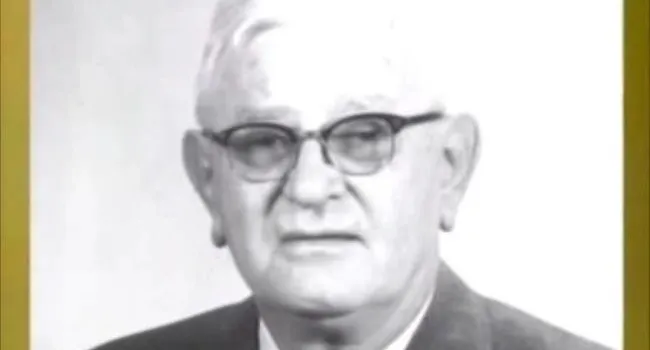
Charles E. Daniel, founder of Daniel International Corporation, is credited with not only building many of the industrial plants that located in South Carolina during its industrial boom years but persuading their owners to also move to the state.
He was influential in getting the E. I. du Pont de Nemours company to build its plant in Camden, knowing that DuPont did its own construction and that no profit would come to him.
His trademarks were his handshake, the quality of his construction work, and the speed with which he completed it. During a 10-year period, his work for Roger Milliken and Deering Milliken Company involved 10 new mills and a number of additions—worth $20 million— without a contract, formal agreement, or a single line of writing. Milliken trusted Daniel's judgment as much as his honesty. Timeliness, quality, and speed were the policies and basic philosophy of "the Daniel Way," a sacred legacy in the Daniel company.
Charles Ezra Daniel was born November 11, 1895, in Elberton, Georgia, the son of James Fleming and Leila Mildred Adams Daniel. He won a scholarship to The Citadel, attended for two years, and then joined the Army as a second lieutenant. He served during World War I, and at war's end returned to Anderson, South Carolina, to work.
He joined Townsend Lumber Company—where he had worked during vacations as a student—for $18 a week and worked his way up to partnership status.
During his years with Townsend, Daniel's responsibilities increased to include the preparation of estimates of building contracts. In 1924, he obtained a contract from a textile company for the construction of 175 houses in a mill village in Anderson. Later, he negotiated a contract for the construction of 350 homes and a schoolhouse in Rome, Georgia, for the American Chatillon Corporation, a forerunner of Celanese Corporation.
Daniel married Homozel "Mickey" Mickel on November 25, 1924. She would become a full-fledged officer in her husband's company as corporate secretary and an active member of the board of directors.
Daniel left Townsend in 1935 to establish his own company, which was later moved to Greenville. Eventually, Daniel International became one of the largest construction companies in the world.
When World War II came, Daniel won the contract for the building construction at Donaldson Air Force Base in Greenville—with a completion schedule of 90 days. Despite adverse weather conditions, Daniel met his deadline.
After World War II, Daniel was concerned with the lack of work for his own employees—the same fate that faced thousands of men leaving military service and returning home. So he developed and implemented a strategy through which he called on potential industrial customers in New York, elsewhere in the North, and in the Midwest, knocking on doors of executive offices no other Southern entrepreneur had ever entered.
His numerous day-and-night train rides and untiring efforts resulted in new construction, most of it initially in South Carolina and bordering states.
With more and more industries moving into the Sun Belt, Daniel then sold related service industries on the wisdom of locating in the proximity of these new markets. With the improved economy and availability of new jobs due to Daniel's efforts, business leaders began referring to him as the "Industrial Ambassador of the South."
During this time, he developed personal and business relationships with many of the world's major architectural and engineering firms.
Buck Mickel, Mrs. Daniel's nephew and a civil engineering graduate of Georgia Institute of Technology, joined the company in 1948 and worked up through the ranks to become chairman and chief executive officer in 1965, the year after Daniel's death.
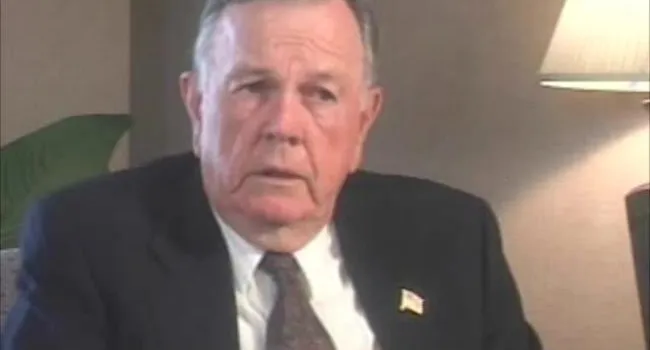
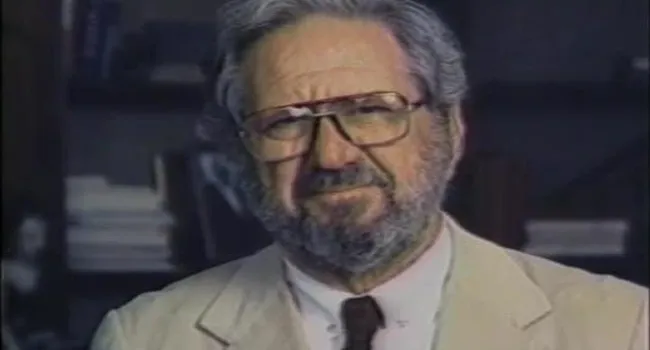
According to Mickel, Daniel's approach to running his business was more philosophical than goal-oriented. Mickel said in a 1983 interview, "He believed that if you treated your customers right, you had a relationship with them that lingered, and that you remained close with your friends.
"And he believed that you developed your state. He had a great passion for South Carolina and for the South."
Mickel said, "He had certain business philosophies: that your handshake was better than a contract and your reputation was all you had; and that things might get tough and you might lose all the money you had, but you still had good people and your reputation."
Daniel went to his office every Sunday morning to pick up mail and distribute it to his staff. Key staff members joined him there. They discussed business and mapped strategies for the following week.
Daniel served as a director of many national corporations, among them the Chemical Bank of New York Trust Company, Eastern Airlines, Georgia-Pacific Corporation, Graniteville Company, Prudential Insurance Company, Southern Bell Telephone Company, and J. P. Stevens & Company.
In 1954, he was appointed by Governor James F. Byrnes to fill the unexpired term of the late Burnet R. Maybank, United States senator from South Carolina.
He served as a trustee of Clemson College, as a member of the Committee for Economic Development, and as a trustee of the Foundation for Independent Colleges.
He received honorary doctoral degrees from Furman University, Clemson College, The Citadel, and Lander College.
Daniel died September 13, 1964.
He was inducted into the South Carolina Business Hall of Fame in 1985.
© 1999 South Carolina Business Hall of Fame
Charles E. Daniel (1895–1964)
Charles E. Daniel, founder of Daniel International Corporation, is credited with not only building many of the industrial plants that located in South Carolina during its industrial boom years but persuading their owners to also move to the state.
He was influential in getting the E. I. du Pont de Nemours company to build its plant in Camden, knowing that DuPont did its own construction and that no profit would come to him.
His trademarks were his handshake, the quality of his construction work, and the speed with which he completed it. During a 10-year period, his work for Roger Milliken and Deering Milliken Company involved 10 new mills and a number of additions—worth $20 million— without a contract, formal agreement, or a single line of writing. Milliken trusted Daniel's judgment as much as his honesty. Timeliness, quality, and speed were the policies and basic philosophy of "the Daniel Way," a sacred legacy in the Daniel company.
Charles Ezra Daniel was born November 11, 1895, in Elberton, Georgia, the son of James Fleming and Leila Mildred Adams Daniel. He won a scholarship to The Citadel, attended for two years, and then joined the Army as a second lieutenant. He served during World War I, and at war's end returned to Anderson, South Carolina, to work.
He joined Townsend Lumber Company—where he had worked during vacations as a student—for $18 a week and worked his way up to partnership status.
During his years with Townsend, Daniel's responsibilities increased to include the preparation of estimates of building contracts. In 1924, he obtained a contract from a textile company for the construction of 175 houses in a mill village in Anderson. Later, he negotiated a contract for the construction of 350 homes and a schoolhouse in Rome, Georgia, for the American Chatillon Corporation, a forerunner of Celanese Corporation.
Daniel married Homozel "Mickey" Mickel on November 25, 1924. She would become a full-fledged officer in her husband's company as corporate secretary and an active member of the board of directors.
Daniel left Townsend in 1935 to establish his own company, which was later moved to Greenville. Eventually, Daniel International became one of the largest construction companies in the world.
When World War II came, Daniel won the contract for the building construction at Donaldson Air Force Base in Greenville—with a completion schedule of 90 days. Despite adverse weather conditions, Daniel met his deadline.
After World War II, Daniel was concerned with the lack of work for his own employees—the same fate that faced thousands of men leaving military service and returning home. So he developed and implemented a strategy through which he called on potential industrial customers in New York, elsewhere in the North, and in the Midwest, knocking on doors of executive offices no other Southern entrepreneur had ever entered.
His numerous day-and-night train rides and untiring efforts resulted in new construction, most of it initially in South Carolina and bordering states.
With more and more industries moving into the Sun Belt, Daniel then sold related service industries on the wisdom of locating in the proximity of these new markets. With the improved economy and availability of new jobs due to Daniel's efforts, business leaders began referring to him as the "Industrial Ambassador of the South."
During this time, he developed personal and business relationships with many of the world's major architectural and engineering firms.
Buck Mickel, Mrs. Daniel's nephew and a civil engineering graduate of Georgia Institute of Technology, joined the company in 1948 and worked up through the ranks to become chairman and chief executive officer in 1965, the year after Daniel's death.
According to Mickel, Daniel's approach to running his business was more philosophical than goal-oriented. Mickel said in a 1983 interview, "He believed that if you treated your customers right, you had a relationship with them that lingered, and that you remained close with your friends.
"And he believed that you developed your state. He had a great passion for South Carolina and for the South."
Mickel said, "He had certain business philosophies: that your handshake was better than a contract and your reputation was all you had; and that things might get tough and you might lose all the money you had, but you still had good people and your reputation."
Daniel went to his office every Sunday morning to pick up mail and distribute it to his staff. Key staff members joined him there. They discussed business and mapped strategies for the following week.
Daniel served as a director of many national corporations, among them the Chemical Bank of New York Trust Company, Eastern Airlines, Georgia-Pacific Corporation, Graniteville Company, Prudential Insurance Company, Southern Bell Telephone Company, and J. P. Stevens & Company.
In 1954, he was appointed by Governor James F. Byrnes to fill the unexpired term of the late Burnet R. Maybank, United States senator from South Carolina.
He served as a trustee of Clemson College, as a member of the Committee for Economic Development, and as a trustee of the Foundation for Independent Colleges.
He received honorary doctoral degrees from Furman University, Clemson College, The Citadel, and Lander College.
Daniel died September 13, 1964.
He was inducted into the South Carolina Business Hall of Fame in 1985.
© 1999 South Carolina Business Hall of Fame