Places and Regions in South Carolina

Learn about the six landform regions, counties, river systems and climate regions in South Carolina. Also, learn how people interact with the physical landscape.
Toggle Filters

Filter By:

Clear Filters

Grade Levels

close

Grade

Resource Type

close

Resource Type

Downloadable Content

close

Downloadable Content
 Between The Waters, Part 1 0

Video

Grades

  • 3
  • 4
  • 5
Between The Waters, Part 1
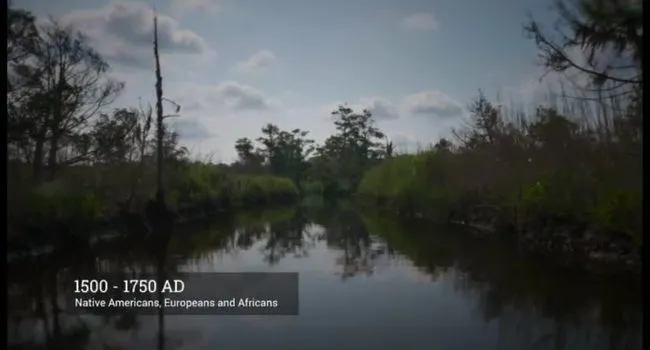
1000 BC – 900 AD is known as the “Woodland Period” of Hobcaw Barony’s history. The area of Hobcaw was inhabited by the Waccamaw Native American tribe. The name Hobcaw means “Between the Waters” in the...
Early 20th Century Northern Landowners in the South | Between the Waters Between The Waters, Part 2 2

Video

Grades

  • 3
  • 4
  • 5
Between The Waters, Part 2
Episode 2
In the 16th century, Spanish and English settlers came to colonize Hobcaw Barony. This was a dark time for the Waccamaw people, for Spaniards colonized Waccamaw land without regard for the natives...
Early 20th Century Northern Landowners in the South | Between the Waters Between The Waters, Part 3 3

Video

Grades

  • 3
  • 4
  • 5
Between The Waters, Part 3
Episode 3
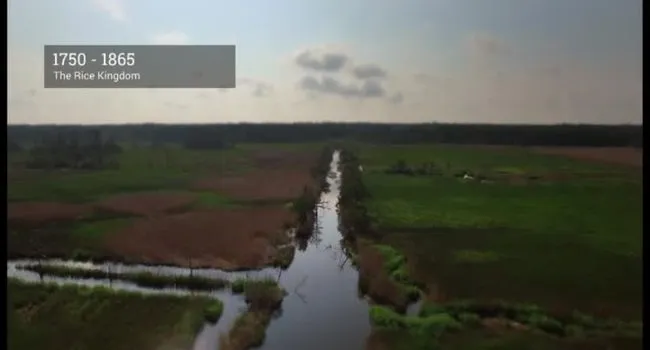
In the 18th and 19th centuries, rice was the most produced crop in the United States, and provided the most wealth. Historian Daniel Littlefield, and botanist Richard Porcher, discuss rice’s African...
Early 20th Century Northern Landowners in the South | Between the Waters Between The Waters, Part 4 4

Video

Grades

  • 4
  • 8
Between The Waters, Part 4
Episode 4
The area of Georgetown went from one of the wealthiest districts prior to the Civil War, to one of the poorest. Lee Brockington, senior interpreter at Hobcaw Barony, discusses the impact of the ending...
 Between The Waters, Part 5 5

Video

Grades

  • 3
  • 4
  • 5
Between The Waters, Part 5
Episode 5
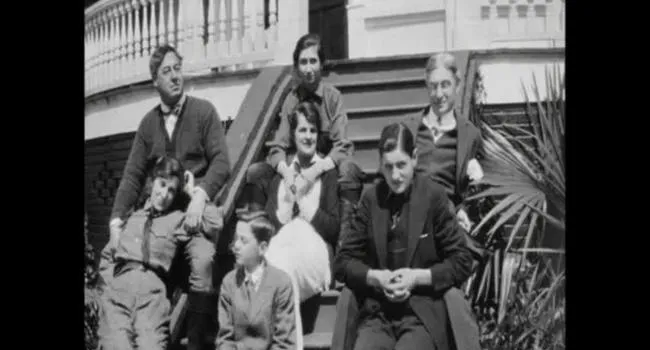
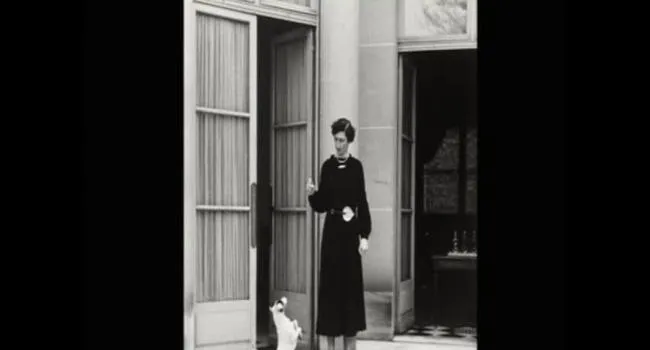
Many families of former slaves still lived in old slave housing, but the prospects of jobs, better housing, and food, were very appealing for Hobcaw’s African American communities. During the 1930s...