Artopia

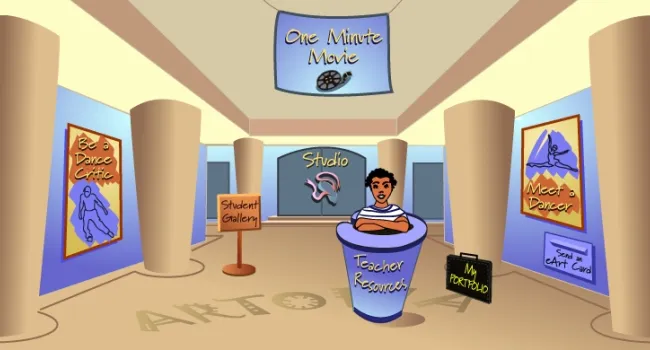
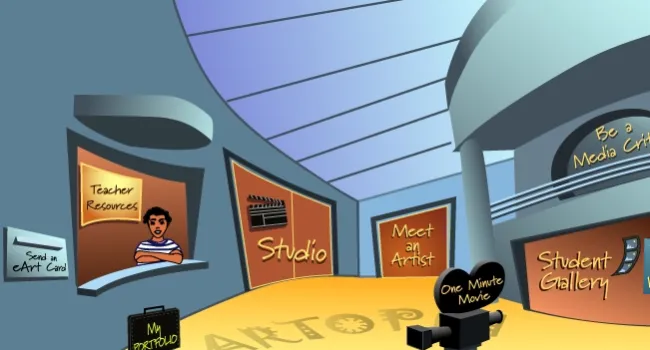
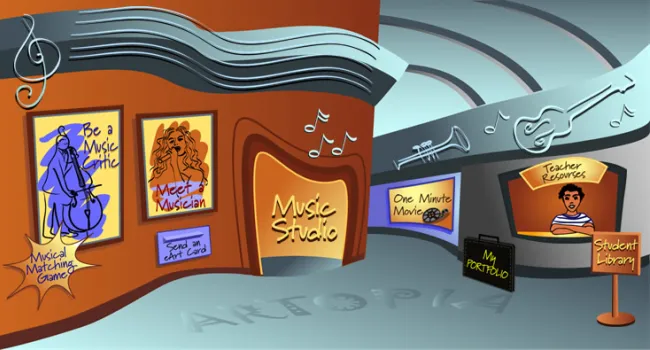
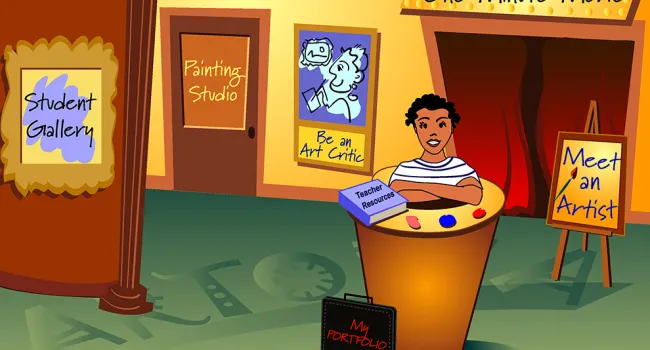
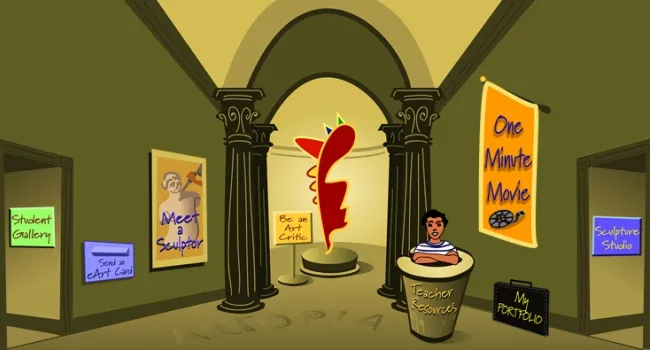
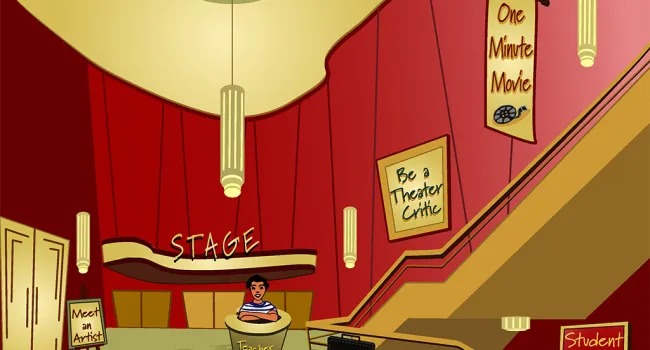
Artopia is a comprehensive web-based arts experience designed for middle school students, covering the visual and performing arts.

Visual and Performing Arts for Grades 6-8

Artopia is a comprehensive web-based arts experience designed for middle school students, covering the visual and performing arts. Students will learn art history via animated one-minute movies, be guided on how to closely examine important works of art, and view videos of professional artists at work.This project was supported in part by an award from the National Endowment for the Arts. 

Please note many of the web videos include transcripts.

More in this Series

Resource Type
 The Lost Wax Process | Artopia

Video

Grades

  • 6
  • 7
  • 8
  • 9
  • 10
  • 11
  • 12
The Lost Wax Process | Artopia
The lost wax process of casting bronze follows a series of careful steps. First, the artist models the art work in clay. Then, she delivers it to a foundry and works with a team of fabricators. They...
Carving - Harlow Family Group | Artopia Compare And Contrast Two Sculptures | Artopia

Video

Grades

  • 6
  • 7
  • 8
  • 9
  • 10
  • 11
  • 12
Compare And Contrast Two Sculptures | Artopia
Compare and Contrast Frederic Remington and Deborah Butterfield are known for their sculptures of horses. These two artworks, Untitled (#3-85) by Deborah Butterfield and The Bronco Buster by Frederic...
Lillian Hellman | Artopia Theater: One Minute Art Lesson | Artopia

Video

Grades

  • 6
  • 7
  • 8
  • 9
  • 10
  • 11
  • 12
Theater: One Minute Art Lesson | Artopia
Watch a brief animated history of theater. TRANSCRIPT Hey let’s put on a show! That’s theater, folks, and it’s like a human thing! Humans all over the world do plays and puppet shows and pantomimes...
 Sculpture: One Minute Art Lesson | Artopia

Video

Grades

  • 6
  • 7
  • 8
  • 9
  • 10
  • 11
  • 12
Sculpture: One Minute Art Lesson | Artopia
Watch a brief animated history of sculpture. TRANSCRIPT Sculpture, well, that's three-dimensional art. Sculpture hasheight , width AND depth - three dimensions, like I said - it can be big or small...
Xu Bing | Artopia Painting: One Minute Art Lesson  | Artopia

Video

Grades

  • 6
  • 7
  • 8
  • 9
  • 10
  • 11
  • 12
Painting: One Minute Art Lesson | Artopia
People have created paintings in different ways in different places and times. This short animation provides a quick lesson on the history of painting TRANSCRIPT It all started when like cavemen...
 Concert in the Park | Artopia

Video

Grades

  • 6
  • 7
  • 8
  • 9
  • 10
  • 11
  • 12
Concert in the Park | Artopia
A Closer Look Danielle Howle has been called "a southern storyteller with a gorgeous sense of melody." She tells stories through her songs. Like poetry, songs often leave out more than they put in...
 1812 Overture | Artopia

Video

Grades

  • 6
  • 7
  • 8
  • 9
  • 10
  • 11
  • 12
1812 Overture | Artopia
A Closer Look In this video clip The South Carolina Philharmonic is playing the last few minutes of Tchaikovsky's 1812 Overture. This piece of music was written to celebrate a Russian victory over the...
 School Project  | Artopia

Video

Grades

  • 6
  • 7
  • 8
  • 9
  • 10
  • 11
  • 12
School Project | Artopia
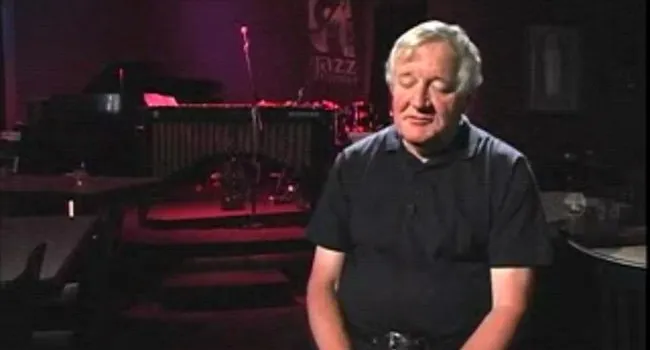
Bob Masteller talks about creating a project that will teach students about jazz and also give them the opportunity to experience jazz music.
Harlem Renaissance | Artopia What I Love  | Artopia

Video

Grades

  • 6
  • 7
  • 8
  • 9
  • 10
  • 11
  • 12
What I Love | Artopia
Bob Masteller explains what he loves about playing jazz music.
 Harlem Renaissance | Artopia

Video

Grades

  • 6
  • 7
  • 8
  • 9
  • 10
  • 11
  • 12
Harlem Renaissance | Artopia
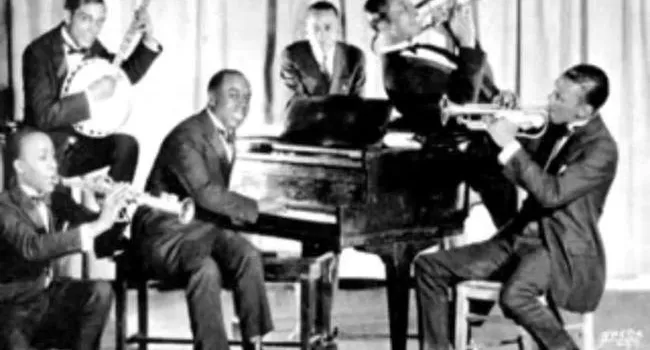
Bob Masteller shares how The Harlem Renaissance was the most exciting period in the history of jazz. The Harlem Renaissance took place in Harlem, New York between the end of World War I and the middle...
Harlem Renaissance | Artopia What is a Vibraphone?  | Artopia

Video

Grades

  • 6
  • 7
  • 8
  • 9
  • 10
  • 11
  • 12
What is a Vibraphone? | Artopia
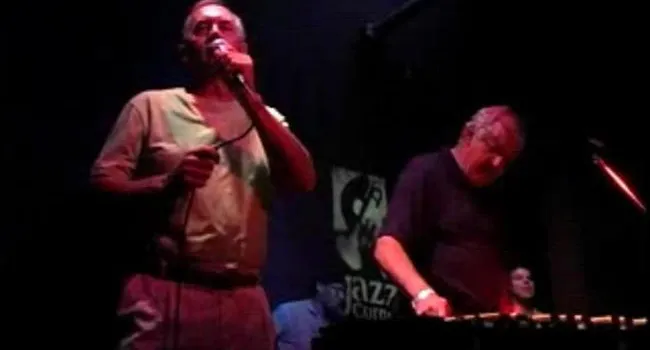
Bob Masteller explains how he self-taught himself to play the vibraphone. The vibraphone (or the vibes) is a musical instrument in the percussion family. It's similar to the xylophone and is commonly...
Harlem Renaissance | Artopia Practice | Artopia

Video

Grades

  • 6
  • 7
  • 8
  • 9
  • 10
  • 11
  • 12
Practice | Artopia
Bob Masteller explains the importance of practicing music scales and talks about jazz and swing musician, Benny Goodman, as an example.
Harlem Renaissance | Artopia Formal Training  | Artopia

Video

Grades

  • 6
  • 7
  • 8
  • 9
  • 10
  • 11
  • 12
Formal Training | Artopia
Bob Masteller shares some of his formal training that started at nine years old in public school and continued with private lessons throughout high school.
Harlem Renaissance | Artopia Sports and Music  | Artopia

Video

Grades

  • 6
  • 7
  • 8
  • 9
  • 10
  • 11
  • 12
Sports and Music | Artopia
Bob Masteller talks about the correlation between playing music and playing sports.
Harlem Renaissance | Artopia Listening  | Artopia

Video

Grades

  • 6
  • 7
  • 8
  • 9
  • 10
  • 11
  • 12
Listening | Artopia
Bob Masteller talks about the art of listening and how listening helps develop an ear for music.
 Musical Influences  | Artopia

Video

Grades

  • 6
  • 7
  • 8
  • 9
  • 10
  • 11
  • 12
Musical Influences | Artopia
Bob Masteller talks about his musical influences from growing up. He grew up in the era of jazz and swing with some of his favorite musicians being Benny Goodman, Louis Armstrong, and Duke Ellington.
 Woodwinds Section: Oboe  | Artopia

Video

Grades

  • 6
  • 7
  • 8
  • 9
  • 10
  • 11
  • 12
Woodwinds Section: Oboe | Artopia
Petrea Warneck plays the oboe in the South Carolina Philharmonic Brass Section. The oboe is black and made of wood. Its sound is produced by blowing between two small reeds and its high "double reed"...
 Woodwinds Section: Flute  | Artopia

Video

Grades

  • 6
  • 7
  • 8
  • 9
  • 10
  • 11
  • 12
Woodwinds Section: Flute | Artopia
Cynthia Hopkins plays the flute in the South Carolina Philharmonic Brass Section. The flute has a high, clear sound.
 Woodwinds Section: Clarinet | Artopia

Video

Grades

  • 6
  • 7
  • 8
  • 9
  • 10
  • 11
  • 12
Woodwinds Section: Clarinet | Artopia
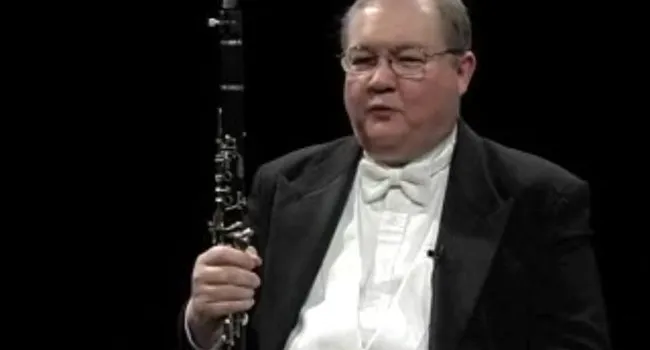
John Bittle plays the clarinet in t he South Carolina Philharmonic Brass Section. The clarinet uses a single reed. There are many types of clarinets with a very wide range of sounds.
 Woodwinds Section: Bassoon  | Artopia

Video

Grades

  • 6
  • 7
  • 8
  • 9
  • 10
  • 11
  • 12
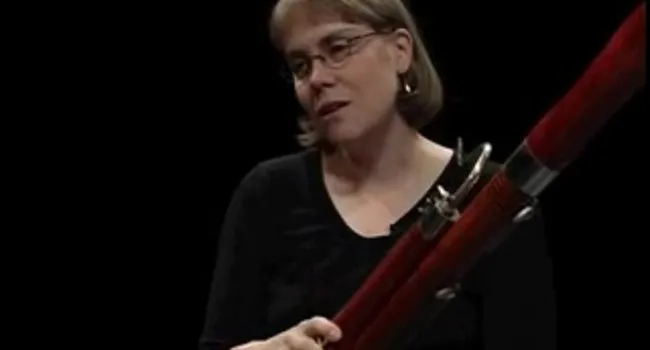
Woodwinds Section: Bassoon | Artopia
Stephanie Whitson plays the bassoon in the South Carolina Philharmonic Brass Section. The bassoon is the largest woodwind and has the deepest sound.
 String Section: Violin | Artopia

Video

Grades

  • 6
  • 7
  • 8
  • 9
  • 10
  • 11
  • 12
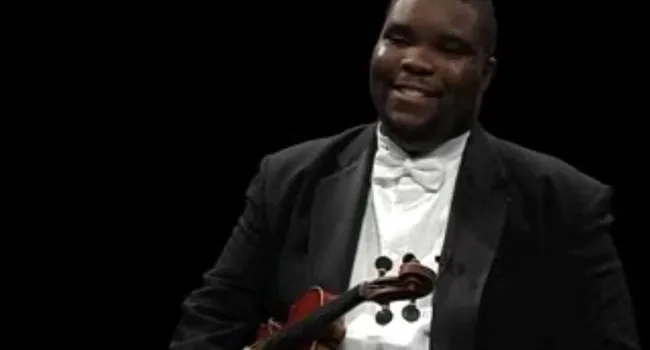
String Section: Violin | Artopia
Timmothy Baker plays the violin in the South Carolina Philharmonic String Section. The violin is the smallest stringed instrument and has the highest sound.
 String Section: Cello | Artopia

Video

Grades

  • 6
  • 7
  • 8
  • 9
  • 10
  • 11
  • 12
String Section: Cello | Artopia
Jacqueline Taylor plays the cello in the South Carolina Philharmonic String Section. The cello is much larger than the violin, also in this group, and stands on the floor.
 String Section: Viola | Artopia

Video

Grades

  • 6
  • 7
  • 8
  • 9
  • 10
  • 11
  • 12
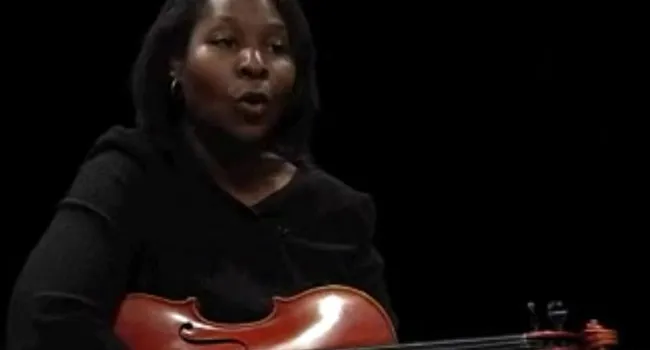
String Section: Viola | Artopia
Audrey Harris plays the viola in the South Carolina Philharmonic String Section. The viola is a little larger than the violin and has a mellower sound.
 String Section: Bass  | Artopia

Video

Grades

  • 6
  • 7
  • 8
  • 9
  • 10
  • 11
  • 12
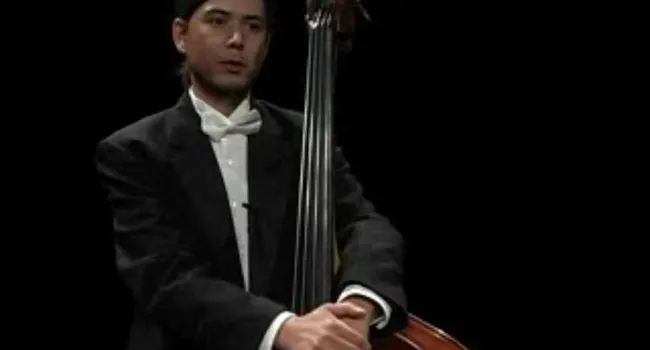
String Section: Bass | Artopia
Ken Klatte plays the bass in the South Carolina Philharmonic String Section. The largest stringed instrument is the bass. It's so big the player has to stand up. The sound is very low and rumbling.