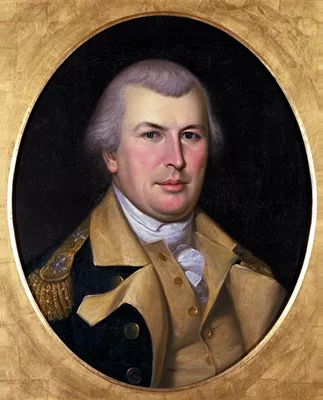
In the fall of 1780, George Washington appointed General Nathanael Greene to command the Continental army in the South.
Following the victory at the Battle of Cowpens, Lt. General Charles Earl Cornwallis, determined to destroy Greene's forces, chased Greene in what's known as the "Race To the Dan." However, Greene managed to escape to safety across the Dan River, into Virginia.
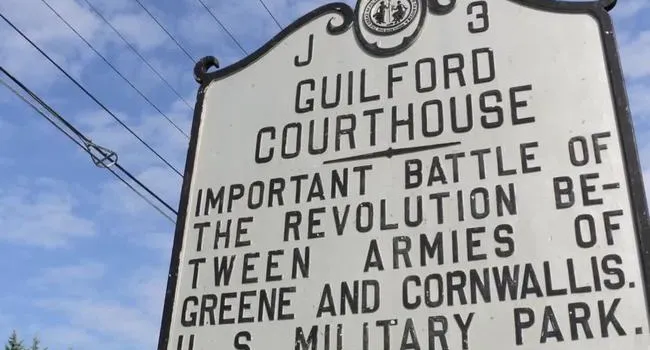
On March 15, 1781, Cornwallis (with only 1,900 men at his disposal) engages Greene's army (between 4,000-5,000 men) at the Battle of Guilford Courthouse, resulting in a costly victory for the British.
Standards
- 4.2.P Analyze the sequence of events that led to the establishment of the U.S. as a democratic republic.
- 4.2.CX Contextualize South Carolina’s role in the development of the new nation.
- 8.2.CE Explain the economic, political, and social factors surrounding the American Revolution.
- This indicator was developed to encourage inquiry into how the colonies began to unify to create a distinctive American identity over the course of events of the American Revolution.
- 8.2.CX Contextualize the roles of various groups of South Carolinians as the colonies moved toward becoming an independent nation.
- This indicator was developed to encourage inquiry into the motivations of colonists during the American Revolution and the progression of conflict and failed compromise that ultimately led to revolution.
Resources
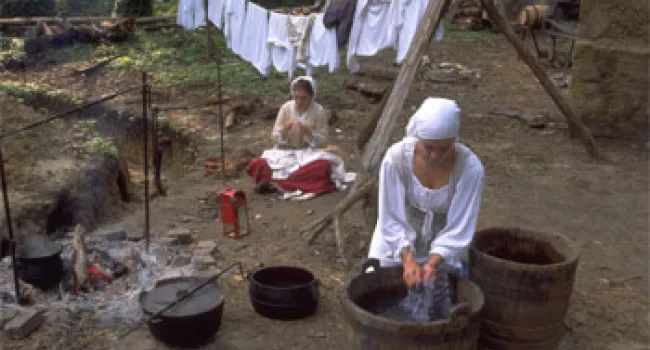
Women Camp Followers | Guilford Courthouse
In many cases, women “camp followers” accompanied soldiers on the road. Their roles were to nurse the wounded, patch clothing, and provide meals. It was considered to be much safer for women to...
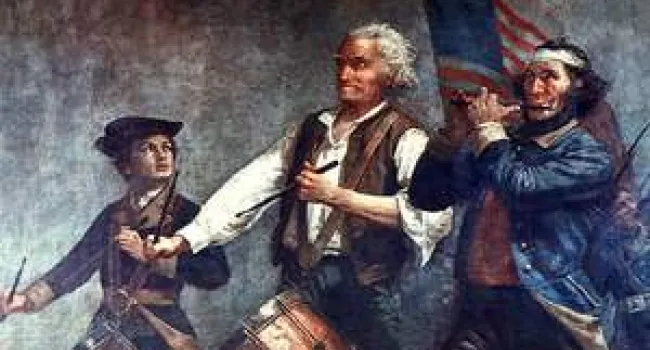
View AssetThe Fife And Drum | Guilford Courthouse
The fife and drum played a crucial role during the American Revolution. They were used as tools for commanders to communicate with their troops. Fifes and drums were much easier to use for relaying...
View Asset