Why is there an 'ENDANGERED SPECIES DAY' ? Investigate careers that can help protect Earth's creatures!

This year, Thursday, May 21st will be the official celebration date for "ENDANGERED SPECIES DAY." (It is now observed annually on the 3rd Friday in May.) Why would we need an official day to study the problems of animals who are starting to "disappear" from the Earth?
This lesson highlights how HUMANS HAVE CHANGED the fate of animals around the world. By "developing land" for human housing and businesses (which often pollutes or damages forests, jungles, rivers and plains... that are impacted by real estate developments), by NOT STOPPING illegal hunters who are killing certain species above the legal limits set by law, and with industries polluting animals' habitats (especially water animals), humans have had quite a negative impact on animal populations. We humans can even hunt, pollute, or tear down habitats to the point of wiping out certain types of animals entirely...which is called EXTINCTION.
But here's the GOOD NEWS! You can learn new ways not to pollute with certain items that injure wild animals. Also, you can investigate the exciting careers that are helping to protect animal species and their habitats. Maybe you'll even be interested in a job that helps the situation! Earth's "web of life" has an important balance that must be kept, for the welfare of ALL living creatures, even humans.
Essential Question
What careers are available if a student is interested in the "outdoor sciences," that can allow more species to SURVIVE and THRIVE? And also, how can all of us refrain from hurting wild animals, by stopping the habit of littering and other harmful "habitat - trashing" behaviors?
Grade(s):
- 5
- 6
- 7
- 8
- 9
- 10
- 11
- 12
Subject(s):
Recommended Technology:
Student chromebook
Other Instructional Materials or Notes:
-a notebook
-a pencil or pen
-Posterboard, any color
-art supplies to create projects (markers, crayons, colored inks, glitter, stamps, etc.)
-scissors & magazines ( to complete an ENDANGERED SPECIES DAY poster or Rachel Carson project
Lesson Progression
1. Watch each video, & make notes in a notebook or on your Chromebook. \
Include:
* the name of the video
* the location where the worker is employed
* the worker's JOB TITLE ( biologist, vet tech, etc.)
* five favorite facts from each video
* what you would ENJOY or NOT ENJOY about their job situation
2.
PBS LEARNING - Biologist
Biologists can help study water systems, plant life, and microscopic organisms to help correct damage to water systems, so that a healthful balance can be restored.
View ResourceScience Trek: ENDANGERED SPECIES: ZooBoise/ Idaho PBS -8:02
This zoo in Idaho is especially focused on housing endangered species which are vulnerable, endangered, or critically endangered in order to prevent those species from EXTINCTION.
View ResourceEndangered Species: Worth Saving from Extinction? / Above the Noise - 6:08
This fast-paced video demonstrates why we SHOULD care about "species extinction", and provides a little humor, even as it addresses a serious subject.
View ResourceHABITAT: Habitat Basics/ Science Trek - 4:48
Learn exactly what an animal's HABITAT and NICHE is, and how important those things are to an animal species staying alive and healthy, and not becoming ENDANGERED or EXTINCT.
View ResourceEthical Considerations in Wildlife Conservation: Asiatic Lions in India/PBS Learning/6:32
Great respect is given to the beautiful and much-revered Asiatic tiger, who has subsisted peacefully among people for centuries...helping thin the cow herds of the sick and old cows on the way to market. See how human zoologists are helping maintain the health and strength of the remaining tigers who live in this region of India.
View ResourceConservation and Restoration Ecology/ CRASH COURSE ECOLOGY/ pbs learning/10:12
Excellent but VERY FAST speaking narrator is amusing, and also makes wonderful points about conservation by using real-life examples. This particular video is not just about endangered species, but how ecosystems are linked together in nature...and how humans need to take care of them.
View ResourceWILD WAYS: Connectivity Conservation from Yellowstone to Yukon- 5:39
A conservation biologist notices grizzly bears crossing the road in one particular place near Yellowstone National Park...and his research into "why" leads to a wonderful development to protect large mammals who live in the western states, Canada, and into the Arctic.
View ResourceWILD WAYS: Isolation Limits Park Biodiversity- 4:56
A zoologist discusses how the natural lives of animals( including eating, breeding,and raising their young) is dramatically and negatively affected by having smaller land areas for wild animals to roam. One of the biggest reasons for less LAND MASS for them is the development of land for human building and development.
View ResourceGRAND CANYON: Conservation and Development
The past century has brought a struggle between intense development (building dams on the Colorado River) on behalf of farmers and the need for more water for human settlements ...and the changes it inherently brings to the ecosystems of The Grand Canyon.
View ResourceYouTube.com/ A Wake Up Call on Saving Endangered Species/CBS Sunday Morning - 3:46
A professional wildlife photographer discusses the beauty he sees in the eyes of wild animals he photographs...and makes the IMPORTANT POINT that we are ALSO an "animal that could become extinct." Without clean water to drink, and clean air to breathe and habitat in which to live, NO animal will evade extinction forever.
View ResourceCAREER SPOTLIGHT: Biologist/ PBS Learning/ 2:56
Matt Wandell loves his job at the STEINHARDT AQUARIUM in California. He is a scuba diver inside the large zoo "fish tanks," but also dives in the Pacific ocean to study the health of coral reefs. Learn more about his exciting career as a biologist who specializes in water habitats.
View ResourceCareers: Park Ranger at Skidaway Island, Savannah GA.
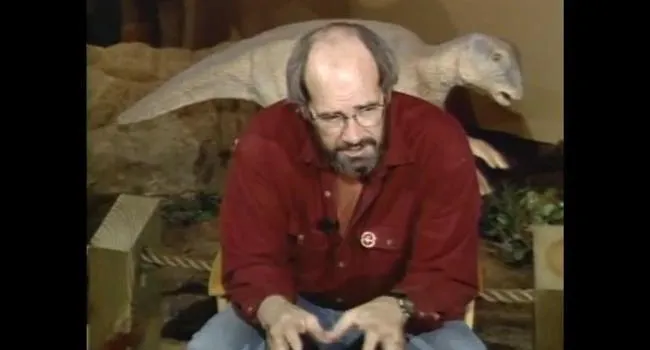
A park ranger tells about the duties he has during his day...which includes keeping the grounds safe to study a prehistoric animal that lived there THOUSANDS of years ago!
View ResourceCAREER VIDEO: Andy Kraven- Wildlife Biologist/ Platte Basin Education/ PBS
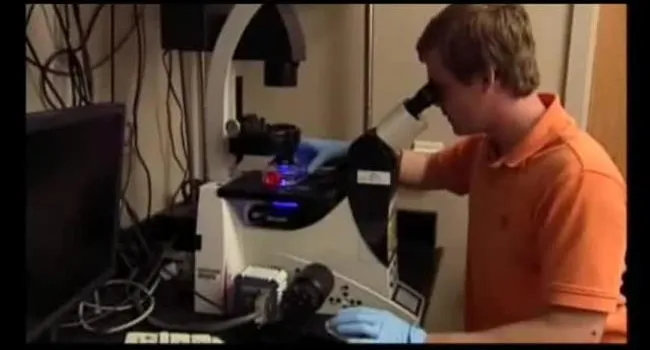
A biologist helps in managing ecosystems. Great career if you love the outdoors, science, creatures, etc!
View ResourceCAREER PROFILE/ Plankton Scientist Series/ PBS Learning: 14:53
Cathy Garcia, a plankton scientist, spends weeks at sea on a large research ship. Find out how she studies microscopic organisms called PLANKTON...who produce part of the oxygen humans need to live! Find out the parts of her job she loves the best!
View ResourceCAREER PROFILES/ Whale Naturalist Series/PBS Learning: 10:48
Kera describes her day aboard a " whale tour" boat, EDUCATING TOURISTS about whales. Her job requires skills in:
PUBLIC SPEAKING
COMMUNICATING w/ PEOPLE OF ALL AGES & BACKGROUNDS
KNOWING ABOUT THE ANIMALS
CAREER PROFILES/ Veterinary Technician Series/PBS Learning : 14 42
Who takes care of sick sea lions and seals at a zoo or at SEA WORLD? A "vet tech," that's who! At THE AQUARIUM OF THE PACIFIC, this vet tech must be a hospital manager, pharmacist, scientist, and record-keeper, as she cares for ailing animals, and investigates to make sure their ENVIRONMENT is healthy.
View ResourceCAREER SERIES/ Shark Scientist/ Dragonfluy TV series/ PBS Learning:-2:49
Steve is an "elasmobranch" specialist...which means an expert in sharks and rays. He works at THE AQUARIUM OF THE PACIFIC and loves his job. He says VOLUNTEERING to help out at a zoo or aquarium is great way to experience in this area1
View ResourceSCIENTIST PROFILE: Whale Scientist/Dragonfly TV/ PBS Learning 2:38
Ed Lyman studied marine biology in college, and LOVES HIS JOB! He stresses the important of PRACTICE in handing a "raft boat" with which he rescues whales who have become entangled in fishing nets, crab traps, etc.
View ResourceRachel Carson-DDT- Pesticides - SILENT SPRING
This video describes the beginning of the wide use of pesticides in the United States. DDT, an extremely poisonous pesticide, had been used in wartime to kill weeds where soldiers had to fight; the problem that came with that weed-killing was the substance also got into the lungs/ nervous systems of bugs, birds, farm animals, and humans, causing nerve damage, cancer, and death. RACHEL CARSON was a biologist who first noticed the terrifying connection between pesticides & cancer and wrote the book SILENT SPRING.
View ResourceRachel Carson: SILENT SPRING
This is a brief description of Rachel Carson's journey as a biologist and author, as she researched the horrible consequences of using pesticides during the 40's, 50's and 60's. Her work paid off, however, as DDT and some other dangerous weedkillers were eliminated from the marketplace. Read about this remarkable woman, biologist, and writer!
View ResourceStandards
- AL.PW I can write on general interest, academic, and professional topics. I can write organized paragraphs about events and experiences in various timeframes.
- Science and Engineering Practices
- 5-6 The student will demonstrate an understanding of the political, social, economic, and environmental challenges faced by the United States during the period from the collapse of the Soviet Union to the present.
- Earth Science: Changes in Landforms and Oceans
- 5.E.3 The student will demonstrate an understanding of how natural processes and human activities affect the features of Earth’s landforms and oceans.
Assessments
Answer these questions in your chromebook or notebook:
1. Define these 4 stages of endangerment for animals, insects, and plants : vulnerable / endangered / critically endangered / extinct
2.. Name 6 endangered animals discussed in these videos, and each animal's HABITAT.
3.. Define each term: habitat / conservation / ecology / hydrology / restoration
4. What does the root HYDRO mean, in the word HYDROLOGY? What word that refers to "quenching thirst" begins with that same root?
5.What types of changes do humans make that DEPRIVE animals of their habitats ? ( Describe 3 of these changes in detail.)
6. Which 4 careers in the video collection appeal to you most? Answers must be at least 3 sentences for each career you choose. ( Explain WHY for each choice, writing your answer in complete sentences.)
7. Choose and complete 2 projects below:
POSTER PROJECT
Construct a poster (a full-sized sheet of poster board) for Endangered Species Day/ cut out pictures/ draw / list activities for an imaginary "event" to make people CARE and BE AWARE of protecting wildlife. ( * use clipped animal pictures from magazines *scrapbooking paper *construction paper *paint or markers *crayons * string/glue/glitter/buttons, etc. *any other art supplies you enjoy )
RESUME PROJECT:
Write a resume that would be used to secure a position as a VOLUNTEER at a zoo or aquarium. INCLUDE THESE POINTS:
* Why you would like to volunteer, naming any animals that especially interest you
*Which times / days that you'd be able to volunteer, since you're a student / Would you have dependable transportation? Could you take a bus if necessary, or ride a bike? / Can you reassure them that you are a PROMPT person, arriving at the expected time without being late?
*Mention any positive experiences you've had with animals (even pets)
* Mention some of the research you've done by completing this lesson ( viewing videos from various aquariums, zoos, and animal rescue sites)
* Express yourself positively, and with enthusiasm.
RACHEL CARSON PROJECT (Biologist and Bestselling Author) PROJECT:
* Again, watch the videos on Rachel Carson and take more notes about Rachel Carson,and her career before she wrote her bestselling book SILENT SPRING . Make a new page of notes about her life.
* List the full range of negative symptoms birds, farm animals AND humans were experiencing as a result of the use of DDT as a pesticide. ADD THESE TO THE NEW PAGE OF NOTES about Rachel Carson.
* Write an imaginary OBITUARY for your local newspaper, mentioning her education, her jobs in the field of science. Also mention the brave choices she made in writing a book that was going to anger big chemical industries, being treated rudely as she testified before Congress , and any other facts of her life that you find notable. the contributions she made to mankind and to all living creatures.
* Make your own new design for a "new" book cover for SILENT SPRING, by with your own illustrations, as if it was a new edition of her book. Use construction paper, scrapbooking paper, etc., colored markers, paint, or ANY art supplies you enjoy.
: