South Carolina Voices: Lessons from the Holocaust - Teaching Lesson Nine
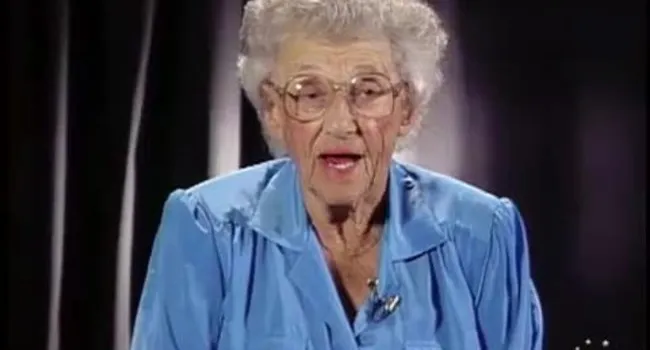
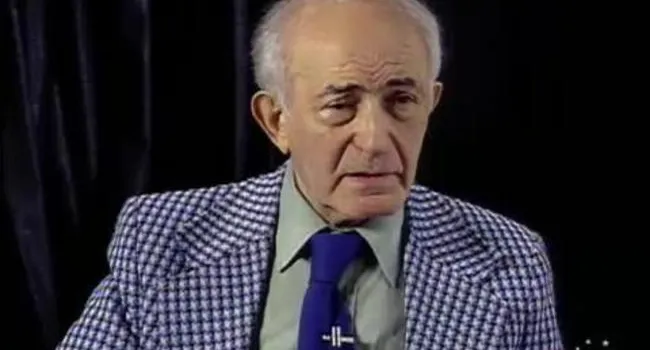
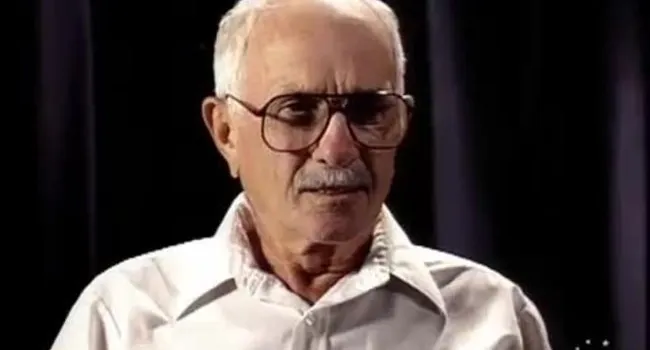
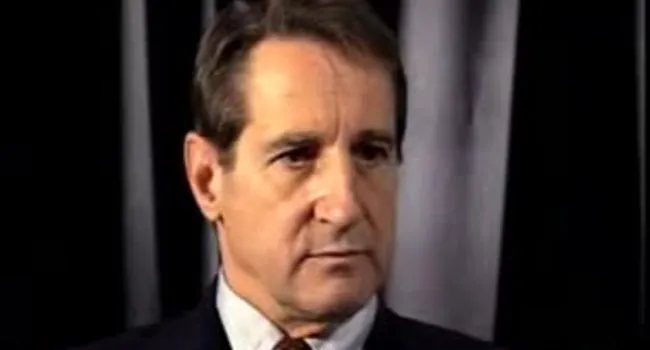
The Holocaust lessons were created to help students learn about the Holocaust from the testimonies of Holocaust survivors. Recollections of being rescued by the Red Cross are shared, including being taken to a hospital, and a first meal of milk and rice. Men and women who served in the U.S. Army tell of their arrival at the camps, and relay what they saw when they arrived to rescue the survivors. In the case of some, the rescuers arrived to find that many had been burned alive, just as the Americans were arriving to save them.The goal of this lesson is to focus on the Holocaust experiences of South Carolinians to personalize the experience for students.
Lesson Partners: ETV Education, Knowitall.org, South Carolina Council on the Holocaust
Grade(s):
- 7
- 11
Subject(s):
Recommended Technology:
Technology is not required, but computers with internet access may help complete the lesson progression.
Other Instructional Materials or Notes:
Handout 9A: Survivors Remember Liberation; Handout 9B: American Soldiers See The Camps
Lesson Progression
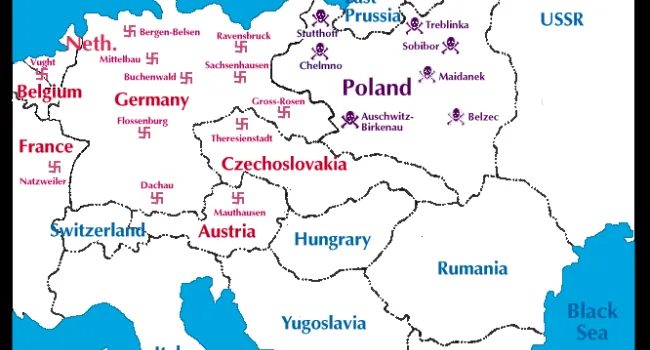
Motivate: In this lesson, students look at the closing days of the war and the opening, or liberation, of the concentration camps. The handouts for this lesson examine these events from two different perspectives: the perspective of the concentration camp survivors students have read about in other parts of this booklet and from the perspective of two American soldiers from South Carolina who visited these camps shortly after liberation. Explain that the Allied soldiers who freed the men and women imprisoned in these camps were known as liberators. You may want to locate the Buchenwald and Mauthausen concentration camps on a map of Europe.
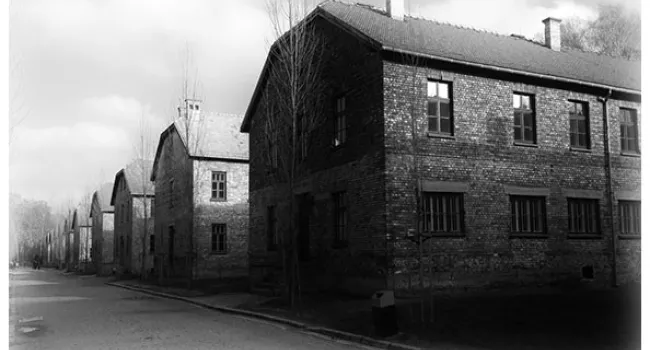
Develop: Both Buchenwald and Mauthausen were operating in 1939 before the war began. They were both liberated by the Americans, Buchenwald on April 11, 1945, and Mauthausen on May 3, 1945. They were among Hitler's first concentration camps. Along with Jews, their first inmates were such groups as political prisoners, homeless street people, Gypsies, homosexuals, and Jehovah's Witnesses. Buchenwald was a slave labor camp where guns were made. Mauthausen was also a slave labor camp. It was designated by the Germans as a punishment camp, specializing in working people to death. Inmates worked at a stone quarry, carrying heavy stones on their backs. Doing this brutal work on a starvation diet, they lived an average of six to twelve weeks.
The Germans took everything they could from their victims. Even before deportation, the Germans took all money and jewelry. After the war, enormous piles of wedding rings were found where they had been stored awaiting resale for their gold. Watches, wallets, pens, pencils, razors, and scissors belonging to the deportees were sold to the army troops. Clothing, bedding, and personal items like eyeglasses, combs, mirrors, and canes were also sold.
The money from these sales was deposited in a special account in the Reichsbank, the main German bank. According to David Altshuler and Lucy Dawidiowicz in their book Hitler's War Against the Jews, the income for the German government from the sale of one group of personal items stolen from Jews and other Holocaust victims amounted to about 180 million reichsmarks, about $72 million, for the period from April 1, 1942, to December 15, 1943. Personal articles that had not been taken in the many searches victims endured were removed, cataloged, and sold after victims went to their deaths in the killing centers. Auschwitz had huge warehouses stuffed with clothing, shoes, eyeglasses, and watches. Women's hair was collected, cleaned, and woven into glove and sock liners. The tooth shop Allen refers to was the place where teeth were extracted for their gold fillings.
Divide the class into small groups. Give each group copies of Handout 9A and 9B. As students read, have them look for details in the accounts of survivors that are supported or corroborated by details in the accounts of the liberators. For example, Rudy, a prisoner at Auschwitz, Senator Strom Thurmond, an observer at Buchenwald, and Henry Allen, a soldier who viewed Mathausen, all describe the bodies stacked like cordwood. Ben Stern, who was also at Auschwitz describes himself as sick, weak, unable to talk, and weighing 87 or 89 pounds. Both liberators remark on how the people at Mauthausen looked more dead than alive.
Focus discussion on the accounts of the soldiers:
1. Judging by these interviews, how do you think the soldiers felt about what they saw? How were their reactions to these events different from those of the survivors of these camps?
2. What interactions did the soldiers have with people living near the camps?
Write on the board or read aloud the following statement from Henry Allen's testimony: For many, many years I refused to be interviewed. I just wanted to come home; get readjusted to life.
Ask students why they think Allen felt this way. Should Allen and other liberators be encouraged to share their memories of this experience with others? Why or why not? Ask volunteers to role play a dialog with Allen in which they tell him why they feel he should talk about the Holocaust experience or tell him their own.reactions to his account.
Teacher Notes
Extend: A United Nations task force, composed mainly of American soldiers, was sent to Somalia to help with the distribution of food supplies and other aid. Unlike the liberators students have just read about, the U.S. soldiers sent to Somalia received training in coping with the extreme conditions of human suffering they were going to see. In Somalia, men, women and children died by the thousands of starvation and other related illness. Discuss with the class the effects these sights had on the soldiers. Do you think the preparation they received helped them cope with their feelings? Do you think the human suffering the soldiers witnessed in Somalia will cause them to feel reluctant to discuss their feelings 50 years later.
If class members have access to family members, friends, neighbors, or school staff who participated in World War II, they might make audio or videotapes of wartime experiences and compare these oral histories to the experiences of the survivors and liberators noted in this guide. If no one is available to interview, students might review family letters or diaries from the time period or use firsthand accounts in books, newspapers or periodicals. Before beginning this activity, the class might agree on a set of questions so that responses can be compared.
Liberation | Seared Souls: S.C. Voices of the Holocaust
Recollections of being rescued by the Red Cross are shared, including being taken to a hospital, and a first meal of milk and rice. Men and women who served in the U.S. Army tell of their arrival at...
View AssetHANDOUT 9A: SURVIVORS REMEMBER LIBERATION
In the readings below, four Holocaust survivors you have read about in other parts of this guide describe their liberation and how they reacted to their sudden freedom.
View ResourceHANDOUT 9B: AMERICAN SOLDIERS SEE THE CAMPS
The readings below are parts of interviews with South Carolinians who witnessed or helped liberate concentration camps in Germany and Austria at the end of World War II. Most South Carolinians know Strom Thurmond for his close to 40 years in the United States Senate. However, in 1945, he was serving his country in the army as a member of the 82nd Airborne Division. In the selection below he describes what he saw at Buchenwald (Boo-Kin-Wald) concentration camp in Germany.
View ResourceLessons From the Holocaust - Resource Guide
Teaching about the Holocaust is often limited by teachers' familiarity with the subject and the amount of time available for this topic. The materials in this guide were designed with these concerns in mind.
View ResourceIntroduction - The ETV Holocaust Forum
Thanks to a grant from the South Carolina Council on the Holocaust, ETV created a forum on the Holocaust to provide teachers access to a variety of resources when teaching their students about this tragic chapter from human history.
Seared Souls Glossary
Glossary to aid in the understanding of the series, "Seared Souls".
View ResourceStandards
- 7-4 The student will demonstrate an understanding of the causes and effects of world conflicts in the first half of the twentieth century.
- USHC-7 The student will demonstrate an understanding of the impact of World War II on the United States and the nation’s subsequent role in the world.