South Carolina Voices: Lessons from the Holocaust - Teaching Lesson Four

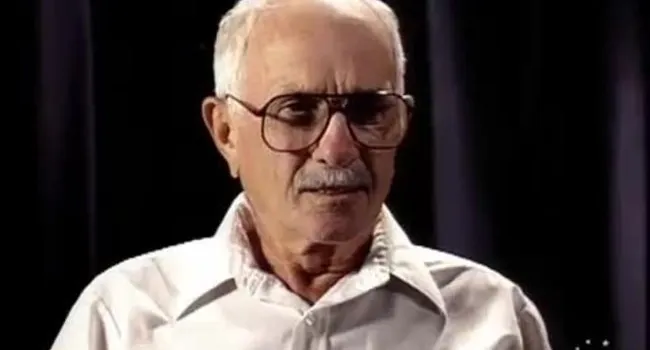
The Holocaust lessons were created to help students learn about the Holocaust from the testimonies of Holocaust survivors. Lesson 4 gives first hand accounts of the fear experienced by Jews living in German controlled territories and countries.By 1939, the schools were closed for Jewish children, the synagogues were closed, and the business were closed. Jews were not allowed to have any businesses. Getting food was difficult and had to be smuggled in. The penalty was death.The Germans took able-bodied men and boys for forced labor. Everyone lived in fear. The goal of this lesson is to focus on the Holocaust experiences of South Carolinians to personalize the experience for students.
Lesson Partners: ETV Education, Knowitall.org, South Carolina Council on the Holocaust
Grade(s):
- 7
- 10
- 11
Subject(s):
Recommended Technology:
None necessary, but computers with presentation software and access to the internet could aid in the lesson progression.
Other Instructional Materials or Notes:
Handout 4A: Rudy in the Ghetto, Handout 4B: Pincus in the Ghetto, Handout 4C: Renee in the Ghetto, Handout 4D: Ben in the Ghetto
Lesson Progression
Motivate: Read Overview VI and summarize for students. In this lesson students will learn from firsthand accounts by South Carolina survivors about life in the ghettos. Review the definition of a ghetto with the class and make sure students understand that the ghettos created by the Nazis were not like the ghettos the Jews had lived in during the Middle Ages. Medieval ghettos protected Jews and their institutions. Within them, Jews were able to study, pray, and socialize as they pleased.
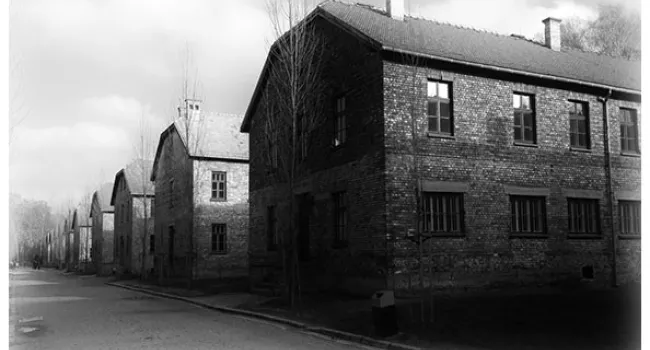
The ghettos devised by the Germans were a step in the Nazi extermination plan. They were assembly and collection points for Jews. Within the ghettos, Nazi authorities had complete control. In these places people were deliberately starved. Many died of exposure and the epidemics of typhoid and other diseases that spread throughout the ghettos.
Note that the phrase "resettlement to the East" was a euphemism the Germans used for the forced removal of Jews from Western Europe to ghettos in Eastern Europe. Later, it also referred to removal to the death camps.
Develop: Divide the class into four-member cooperative learning groups. Give each member of a group a different handout (Handouts 4A, 4B, 4C, 4D) for this lesson. Remind students that the people they are reading about were teenagers when these events took place. Write the questions below on the board. Have each student in the group use these questions to summarize his or her reading for other group members. Then have the group as a whole compare the four accounts of ghetto life. Explain that group members will have to get information from all four handouts to answer the questions.
1. Who sent the person you have read about to a ghetto? What happened to their personal belongings and household goods when they were forced into the ghetto?
2. Where was the ghetto in your reading located? How did the person get there?
3. What kept Jews from leaving the ghetto? Why was it difficult to escape? (Students often cannot understand why more prisoners of the ghetto didn't attempt to escape. Through discussion, students should recognize that ghetto life deprived its victims of their dignity, their resources, and their health. Many believed this imprisonment was temporary and would end when Germans came to their senses and rejected Nazi rule. The victims were often old or sickly, and most had no other place to go. Even if residents could have escaped, few countries were willing to accept those trying to flee Europe. The United States and the Western European democracies had strict quotas limiting the number of immigrants from Germany and the Eastern European countries.)
4. What rights, if any, did the person you read about have in the ghetto?
5. What were the most serious problems the people in the ghetto faced? How did they get food? What kind of work did they do?
6. What strategies if any did the people you read about use to stay alive and to keep their spirits up?
7. What do you think would be the worst part of ghetto life for you—loss of home, isolation from friends, lack of privacy, crowding, hunger, or fear of the future?
8. What contact did ghetto residents have with people living outside the ghetto? What can you infer about how non-Jews, living in the communities where ghettos existed, felt about the treatment of the Jews? Why might non-Jews have been reluctant to help Jews in the ghetto? Were the non-Jews in the communities where ghettos existed responsible in any way for loss of the rights of those held captive in the ghettos? (In discussing question 8, be sure to note that local people, many of whom benefitted from the Jews' removal, failed to protest this clear violation of human rights. This failure allowed the level of violence against Jews escalate.)
When the assignment is completed, have each group choose a spokesperson to present the group's answers to the class. Conclude by pointing out that ghettoization further served to dehumanize the Jews and separate them from non-Jews. This isolation made the Jews seem foreign or even dangerous to those around them and served to reinforce existing prejudices.
Putting people in ghettos, forcing them to wear the Yellow Star, depriving them of food, medicine, and sanitary facilities were methods of dehumanization. This treatment reinforced stereotypes of Jews as subhuman or inferior. Making the Jews less than human helped anti-Semites justify their treatment of them.
Teacher Notes
Extend: Examine ways people with strong prejudices attempt to make the victims of their bigotry seem less than human. Techniques range from ethnic and racial jokes and cartoons to segregation and denial of access to economic and educational opportunities. Parallels may be drawn to attitudes and beliefs about African Americans during slavery, and depictions of Chinese Americans in cartoons of California newspapers in the late 1800s.
The following illustration can help students appreciate the crowded conditions in the ghettos. One of the largest ghettos, the Warsaw Ghetto in Poland, was about 1 1/3 square miles in area. Identify an area within your community that is about 1 1/3 square miles. A university campus or a residential neighborhood might be an example. Choose an area students are familiar with. Estimate the number of people living in this area. Then explain that in this area where (use the statistics for your community) live, the Nazis put anywhere from 330,000 to 500,000 people. This is more than the population of Columbia, Charleston, Greenville, and Myrtle Beach combined.
Students can also be asked to imagine what it would be like to have 20 extra people living in their home.
The Final Solution | Seared Souls: S.C. Voices of the Holocaust
By 1939, the schools were closed for Jewish children, the synagogues were closed, and the business were closed. Jews were not allowed to have any businesses. Getting food was difficult and had to be...
View AssetHolocaust Timeline
Learn the series of events that led to the Holocaust and related events that occurred during this period.. 1933 January 30: Hitler appointed chancellor of Germany. March 5: Hitler receives strong vote...
View AssetHolocaust Glossary | Holocaust Forum
Learn key terms from the Holocaust. Anti-Semitism. Acts or feelings against Jews; takes the form of prejudice, dislike, fear, discrimination, and persecution. Aryan. A term used by the Nazis to mean a...
View AssetHANDOUT 4A—RUDY IN THE GHETTO
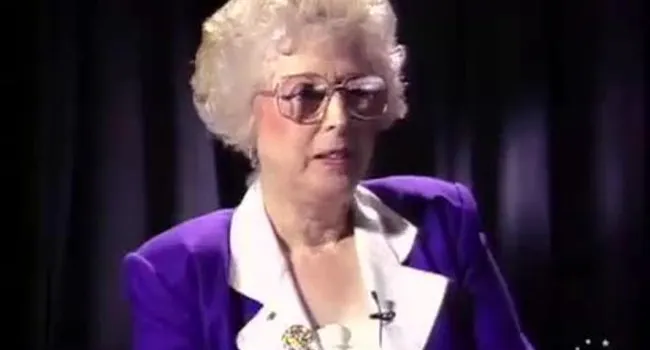
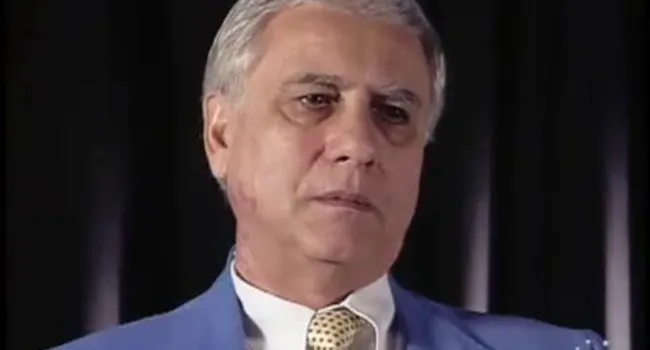
When the war began, Rudy and his family were living in Cologne, Germany. In this reading, Rudy describes his family's forced move to the ghetto and their separation from other family members.
HANDOUT 4B—PINCUS IN THE GHETTO
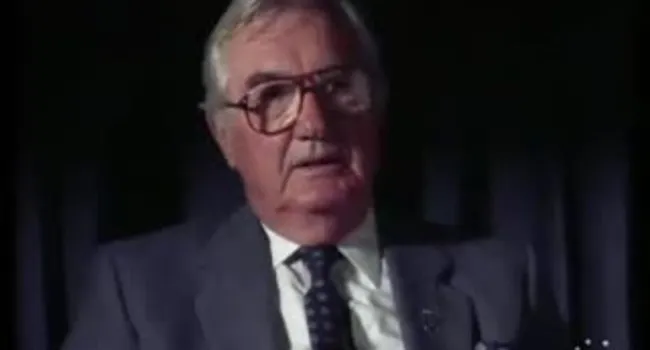
Pincus Kolender was 14 years old when his family was forced to move to the Bochnia ghetto. Unlike some other families, his family was not required to move to another city because the ghetto was in his hometown. Bochnia was one of Poland's larger cities. In this reading he describes his life in the ghetto.
View ResourceHANDOUT 4C: RENEE IN THE GHETTO
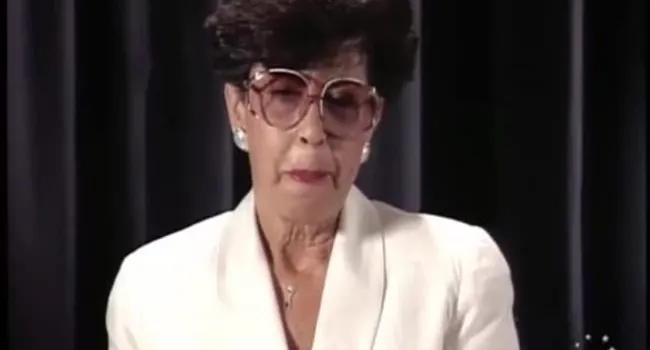
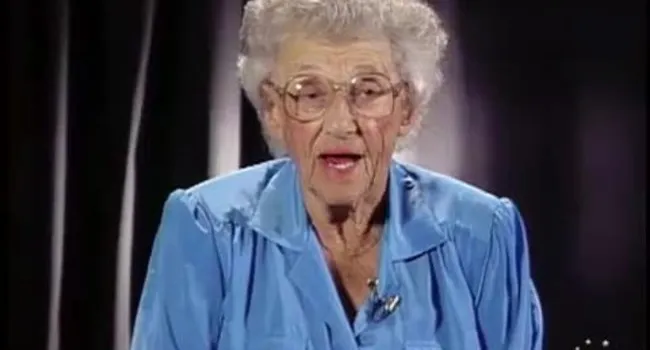
Renee Kolender was born in Poland in 1922 in a town called Kozenice (Co-Za-Nee-Cha) about 90 kilometers from Warsaw. She had two brothers. Her father was an accountant who worked in the town's only bank before the war started. She was 17 when her family was put in the Kozenice ghetto.
View ResourceHANDOUT 4D—BEN IN THE GHETTO
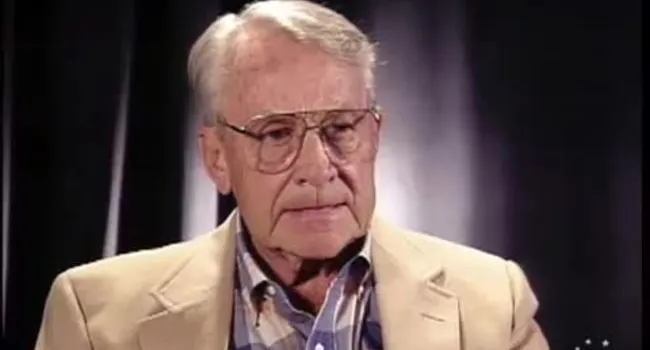
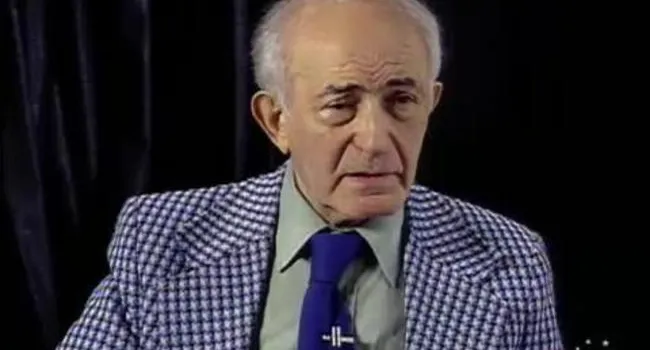
Ben Stern was born in 1924 in Kielce (Kel-Sa), Poland. He was the youngest of four children. When he was six years old, his family moved to Lodz (Ludge), the second largest city in Poland. He lived there until the age of 15 when the war broke out. In this reading he tells about his first experiences with the Nazis and his life in the ghetto. His story begins in 1939 shortly after the Germans had occupied Poland.
View ResourceLessons from the Holocaust Resource Guide
Teaching about the Holocaust is often limited by teachers' familiarity with the subject and the amount of time available for this topic. The materials in this guide were designed with these concerns in mind.
View ResourceStandards
- 7-4 The student will demonstrate an understanding of the causes and effects of world conflicts in the first half of the twentieth century.
- WG-4 The student will demonstrate an understanding of the characteristics of culture, the patterns of culture, and cultural change.
- USHC-7 The student will demonstrate an understanding of the impact of World War II on the United States and the nation’s subsequent role in the world.