Animal Behavior: How Animals Respond to Their Environment
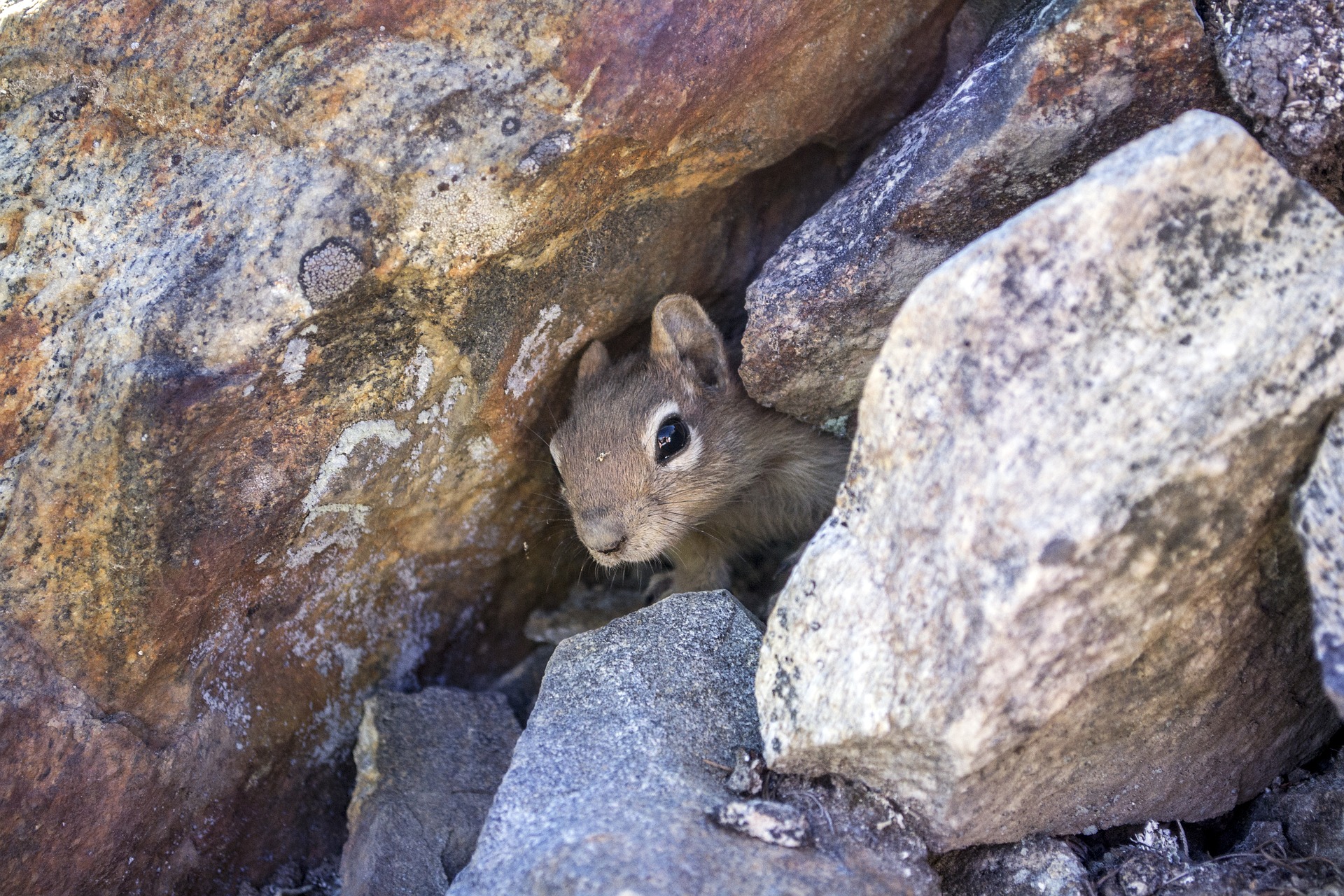
Students will learn about how animals use behavior to respond to environmental stimuli that allow them to survive and reproduce. Students will watch videos and learn cooperatively to learn the content. The students will create a final project that demonstrates mastery of the performance indicator.
Lesson Created By: MattieShuler
Essential Question
How do animals respond (including hibernation, migration, grouping, and courtship) to environmental stimuli that allow them to survive and reproduce?
Grade(s):
- 6
Subject(s):
Recommended Technology:
Internet
Digital Device for students (PC, Laptop, Chromebook, tablet, or iPad, etc.)
Cloud File Storage (Google Drive, iCloud, One Drive, or Dropbox, etc.)
Digital Productivity Software (Google Suite, Microsoft Office, etc.)
Other Instructional Materials or Notes:
If digital services are not available, then the following can be used in their place:
Science Journal
Paper
Pens
Pencils
Lesson Progression
- Bellringer - Students will brainstorm for five minutes all the ways that animals respond to their environment (the teacher might want to clarify by stating, “how do animals respond to obtaining food, surviving predators, and reproducing?”). Students will write their answers in their journals or digital device if one is available. Students will share their answers with a partner. Then the students will share their answers with the class. The teacher will write their responses on a shared document or chart paper to be displayed in the classroom.
- The teacher will introduce the lesson by asking the essential question, “How do animals respond (including hibernation, migration, grouping, and courtship) to environmental stimuli that allow them to survive and reproduce?” Students will write this question in their journal or digital device.
- The teacher will introduce the vocabulary (see the list in resources) to the class by using the Marzano method of teaching vocabulary words (Teaching Basic and Advanced Vocabulary: A Framework for Direct Instruction). The teacher introduces the word by using the student's background knowledge, students write the vocabulary words and definitions in their journal using their own definitions, students draw a picture of each word in their journal or digital device(the teacher might want to skip the vocabulary terms dealing with reproduction for this part), and students pair-share the vocabulary words with a partner.
- The teacher will introduce hibernation as a possible response to stimuli. Students will watch the following video - Seasonal Science: Hibernation (https://scetv.pbslearningmedia.org/resource/a4967e67-1774-4170-bfcb-a2e98c72af65/seasonal-science-hibernation/). Students will write in their journal or digital device why animals hibernate and what animals hibernate. Students will share their responses with the class. (Note for teacher - make sure the discussion covers the notes highlighted in the SC Support Document found on page 63 of https://ed.sc.gov/index.cfm?LinkServID=5D51D664-CD1D-1DCA-F671A13E61317755.)
- The teacher will introduce migration as another possible animal response to stimuli. Students will watch the following video - Bird Migration | Science Trek (https://scetv.pbslearningmedia.org/resource/idptv11.sci.life.reg.d4kbrd/bird-migration). Students will take notes in their journals or digital device about why birds migrate. Students will share their responses with the class (Note for teacher - make sure the discussion covers the notes highlighted in the SC Support Document found on page 63 and 64 of https://ed.sc.gov/index.cfm?LinkServID=5D51D664-CD1D-1DCA-F671A13E61317755.)
- The teacher will introduce defense as another response to stimuli. There are various ways that animals defend themselves, which include camouflage, smells, stingers, ejection, mimicry, ejection, and grouping. For this activity, place the students in seven groups (group 1 - camouflage, group 2 - smell, group 3 - stingers, group 4 - ejection, group 5 - mimicry, group 6 - ejection, and group 7 - grouping). Each group will research and find an animal that utilizes their group’s assigned form of defense and why. The teacher needs to facilitate this as to make sure the students are on-task and to guide them to similar responses located in the SC Support Document found on page 64 of https://ed.sc.gov/index.cfm?LinkServID=5D51D664-CD1D-1DCA-F671A13E61317755. The group will choose one student to report out to the rest of the groups about what they found. The other groups will take notes on what the other groups found.
- The teacher will introduce courtship as another response to stimuli. Students will watch the video entitled “Courtship Rituals of the Greater Sage-Grouse” - https://scetv.pbslearningmedia.org/resource/nat15.sci.lisci.courtship/courtship-rituals-of-the-greater-sage-grouse/. Students will take notes in their journal or digital device on the ritual of the Greater Sage-Grouse and the environmental changes discussed in the video. The students will share their notes with the class. (Note for teacher - make sure the discussion covers the notes highlighted in the SC Support Document found on page 64 of https://ed.sc.gov/index.cfm?LinkServID=5D51D664-CD1D-1DCA-F671A13E61317755.)
- The teacher will review the four previously discussed responses to stimuli (hibernation, migration, defense, and courtship).
- Culminating activity - Students will create a presentation or essay that will cover an explanation of the four ways animals respond to stimuli (hibernation, defense, migration, and courtship) and provide an example of an animal for each response. The project must provide a justification as to why the animal performs that specific response. (Note: it does not have to be the same animal for each part. A different animal can be used for each individual part). See the rubric in the assessments tab for grading.
- The teacher will review the essential question and students will answer the question in their journal or digital device to check for understanding.
Teacher Notes
If you are using a cloud file storage system (Google Drive, Microsoft OneDrive, or iCloud), I would recommend having the students create a digital folder for this lesson to save their notes and student work. It will help with the organization.
SUPPORT GUIDE 3.0 FOR SIXTH GRADE SOUTH CAROLINA ACADEMIC STANDARDS AND PERFORMANCE INDICATORS FOR SCIENCE
Support Document for Sixth Grade SC Academic Standards
View ResourceSeasonal Science: Hibernation
PBS LearningMedia Video. How can mammals survive hibernation? We may not know as much as we think. There are several myths about hibernation that are corrected in this seasonal science video. To survive, mammals lower their metabolism including respiration, heart rate, and temperature in order to conserve energy. This is a form of maintaining homeostasis. This video and lesson draws connections between hibernation and homeostasis.
View ResourceBird Migration | Science Trek
PBS LearningMedia Video. This video segment from IdahoPTV's Science Trek explains why birds migrate south for the winter and the benefits of migrating back north in the Spring for the nesting season. Follow scientists and students as they catch, band and release birds at the Idaho Bird Observatory during their migration.
View ResourceCourtship Rituals of the Greater Sage-Grouse
PBS LearningMedia Video. Witness the elaborate courtship display of the greater sage-Grouse in this video from NATURE: The Sagebrush Sea. During the breeding season, greater sage-grouse males forms leks, groups where the birds compete for the attention of females. The males inflate pouches in their necks and fan their feathers. Females select certain males to mate with.
View ResourceStandards
- Life Science: Diversity of Life – Classification and Animals
- 6.L.4 The student will demonstrate an understanding of how scientists classify organisms and how the structures, processes, behaviors, and adaptations of animals allow them to survive.
Assessments
Animal Behavior Rubric - https://docs.google.com/document/d/1kzVjZlJnGUwRxBQtty4smyzGFNXKFe6tytgRFOP_QgI/edit?usp=sharing