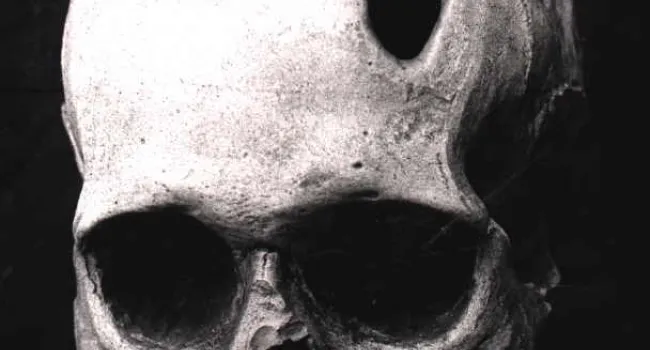
Many cultures in ancient times treated illnesses with magic and herbal remedies. People believed that the supernatural powers of a shaman (sha-man), also known as a medicine man or witch doctor, healed the sick. Ancient Egyptians thought that their gods healed them. They also treated illnesses with herbal medicines and performed surgeries with metal instruments. Historians believe that Egyptians learned how diseases affected the human body when they performed burial rituals. When people died, they prepared them for the afterlife in a process called mummification. Before the body was wrapped in cloths, they removed organs and placed them in clay jars for preservation.
The ancient Greeks pursued medicine as a science. Hippocrates, the most famous physician of the time (c. 400 B.C.), believed that diseases had natural causes, not supernatural ones. He wrote that a proper diet and exercise affected the human body. Today, doctors still follow his advice to observe patients and use the facts to treat them.
The Romans adopted many Greek philosophies but made their own advancements in public health. They developed sewers to remove human waste from the cities and towns and built systems to provide clean water not only to drink, but for public baths. The baths provided a place to wash, exercise and socialize. Sophisticated hospitals were also built in ancient Rome. They were developed to take care of sick and injured soldiers, which was important to the Roman Empire because it relied on it’s army to conquer new territory.