
Audio
Grades
- Higher Education
Pete Clayton tells Cinda Baldwin about the types of stoneware his father produced
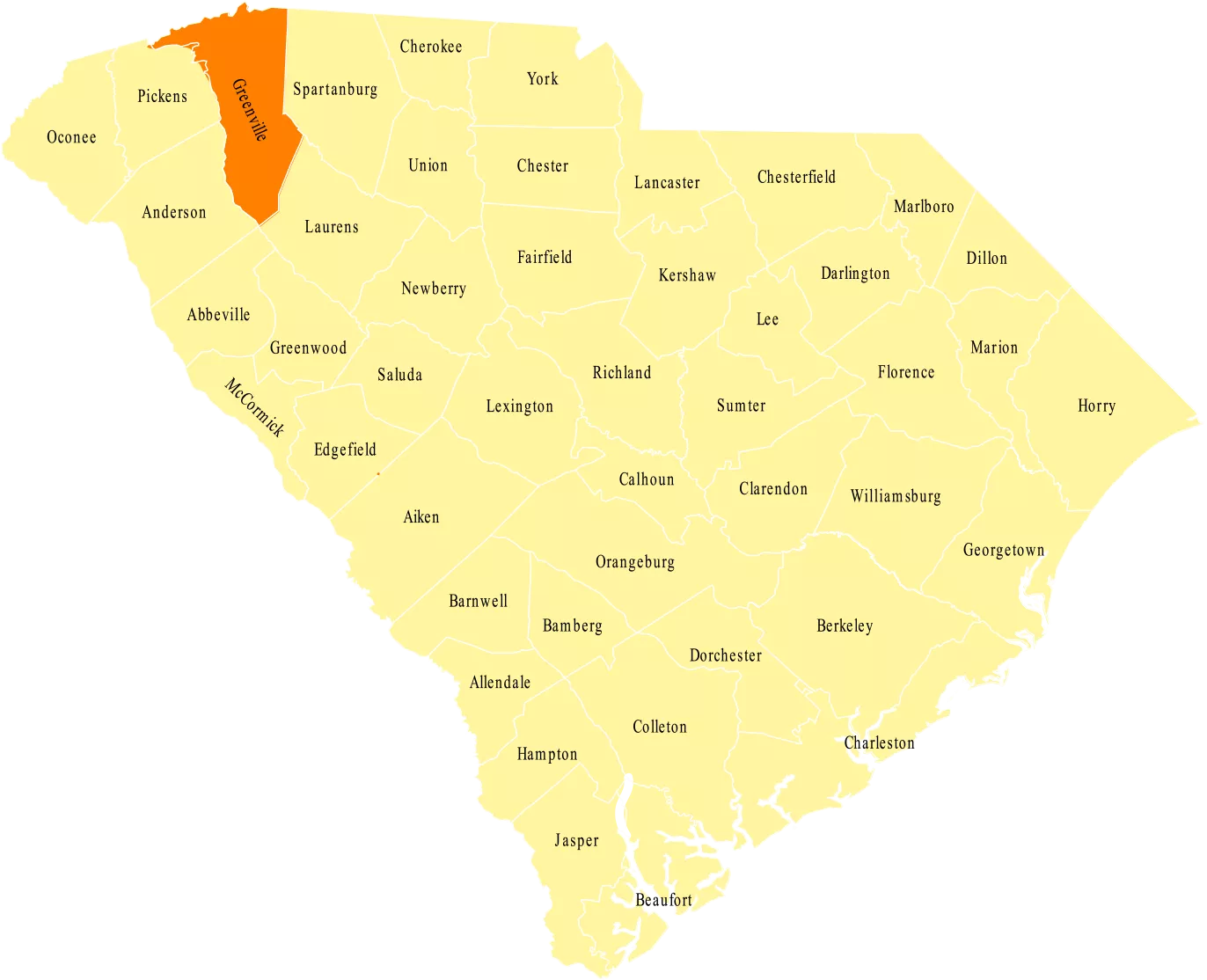
Greenville County, South Carolina’s most populous county, lies in the Upstate. Two popular opinions exist on the origin of the name of Greenville County and its county seat: Revolutionary War general Nathanael Greene or area local Isaac Green.
Cherokee Indians lived in the area first, but they eventually gave up control of the land to South Carolina in a 1777 treaty. After the signing of this treaty, a fair number of Scotch-Irish and English settlers came to the region. Soon after, in 1786, Greenville District was founded. However, this district existed within the Washington District from 1791 to 1800.
Although historically a vacation area for coastal South Carolina planters, the county’s rivers powered the majority of the county’s early economy. The river gave rise to iron works, cotton mills, and Greenville’s textile industry. From the Reconstruction Era until the late 20th century, the textile industry defined Greenville County’s economy, at one point so much so that the county earned the title of “Textile Capital of the World.”
Modern Greenville County’s economy has transitioned away from textiles. Over the last few decades the county has been the answer for many corporations wondering where to relocate. Greenville County’s economy now centers around technology, manufacturing, engineering, and business.
History of Greenville County. Accessed June 03, 2016.
http://www.greenvillecounty.org/
South Carolina Counties by Population. Accessed June 08, 2016.
ttp://www.southcarolina-demographics.com/counties_by_population
Audio
Grades

Audio
Grades

Audio
Grades

Audio
Grades
Photo
Grades
Photo
Grades
Photo
Grades
Photo
Grades

Photo
Grades

Photo
Grades
Photo
Grades
Photo
Grades
Photo
Grades
Photo
Grades
Photo
Grades
Photo
Grades

Photo
Grades

Photo
Grades
Photo
Grades
Photo
Grades

Photo
Grades
Photo
Grades
Photo
Grades
Photo
Grades
Full of interesting facts on geography, plants, and fauna found in South Carolina state parks.

Home to a wealth of folk traditions, South Carolina is culturally and geographically diverse.
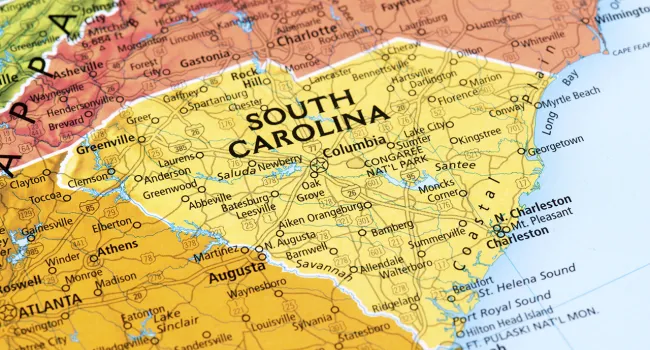
ETV Shorts is a web series of stories gathered from around the state of South Carolina.
Kids Work! is a virtual community of workplaces designed to give students an interactive job exploration experience that connects school work to real work.
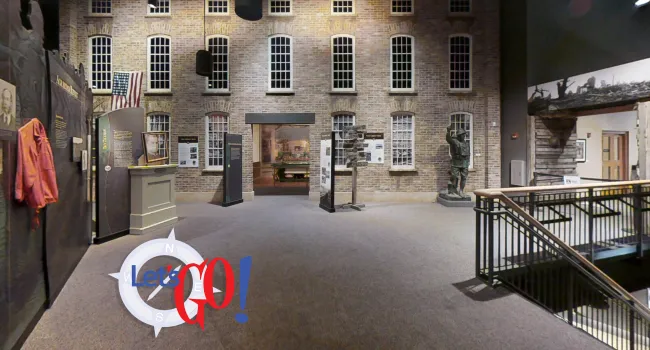
The Upcountry History Museum is a history museum in Greenville, South Carolina.

Using site visitations, dramatizations, interviews, visuals, and historic photographs and illustrations, this series explores South Carolina history.
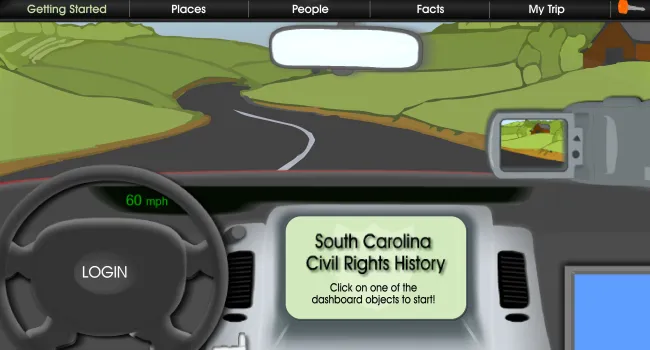
Road Trip! Through South Carolina Civil Rights History was designed to help teachers and students to learn about the people and the events, and the importance of the civil rights movement in South Carolina from the...