Audio
Grades
- Higher Education
Episode
8
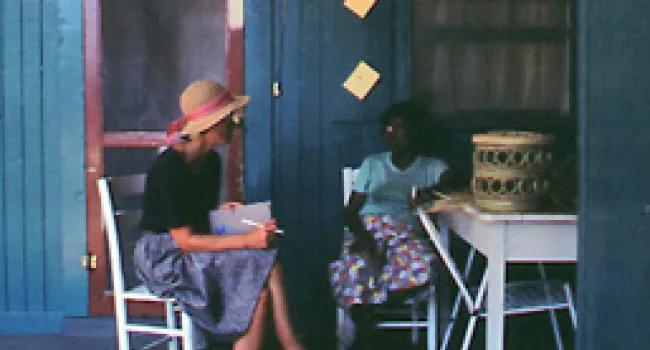
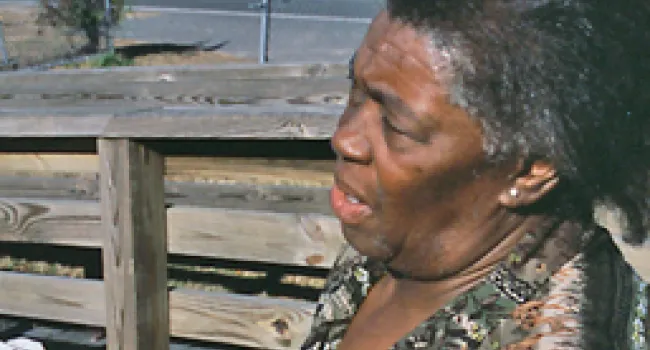
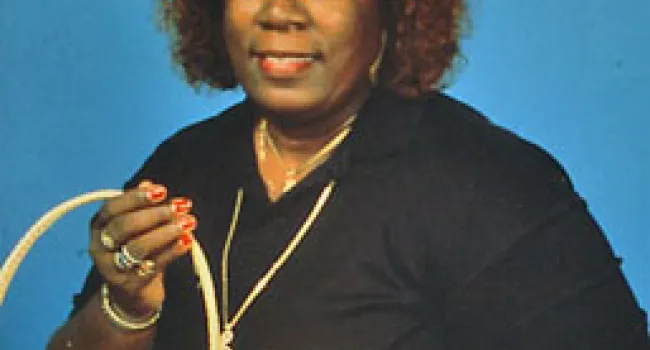
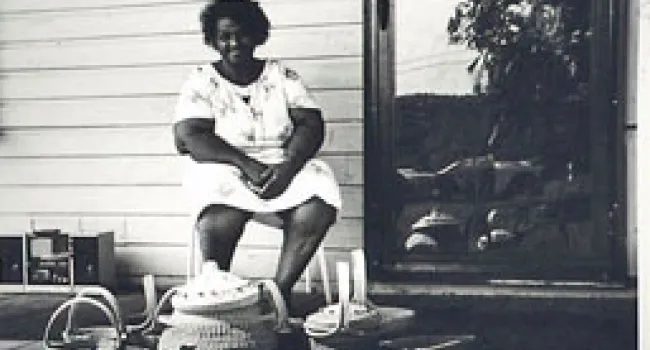
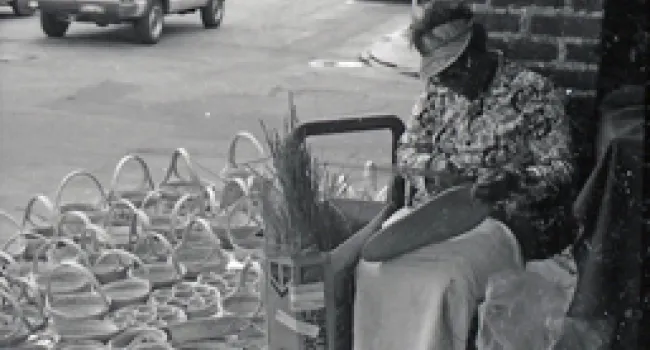
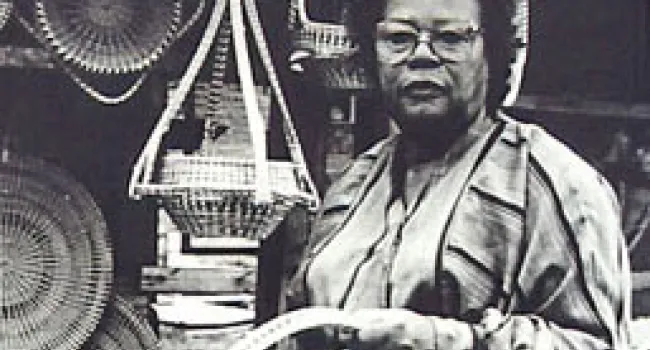
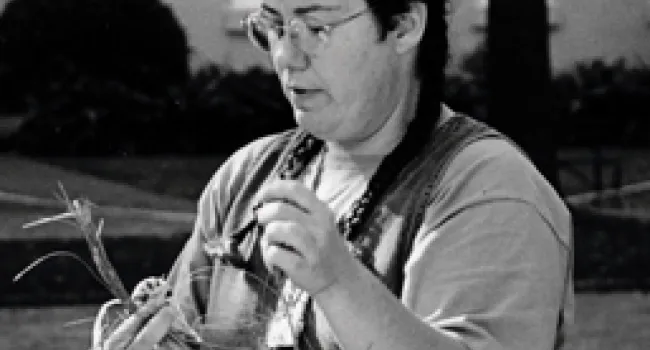
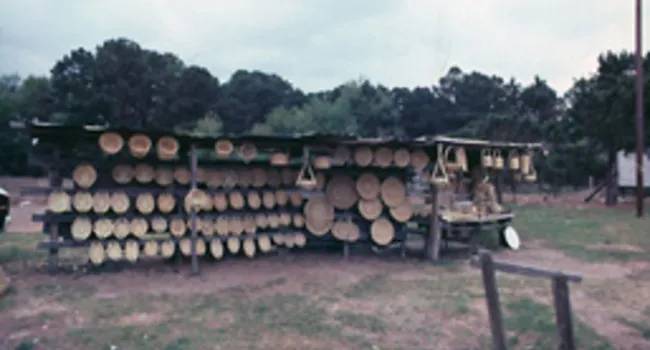
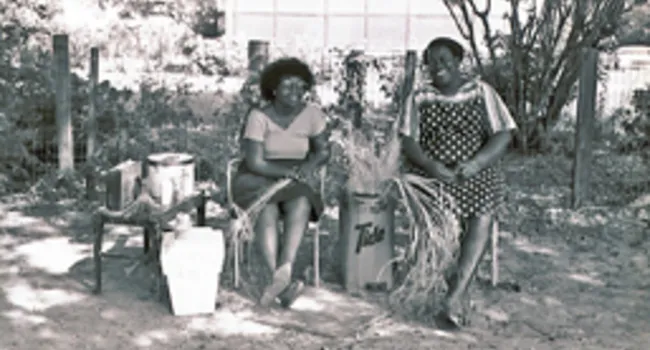
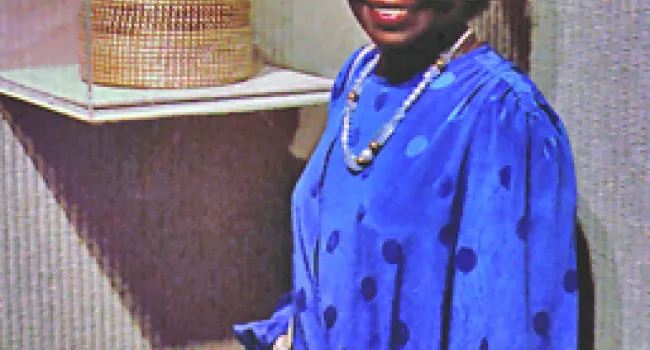
Mary Jane Bennett talks about selling baskets at fairs and shows.
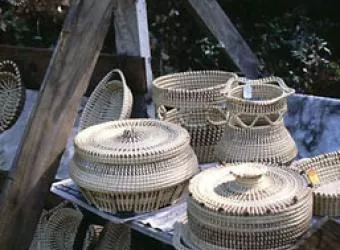
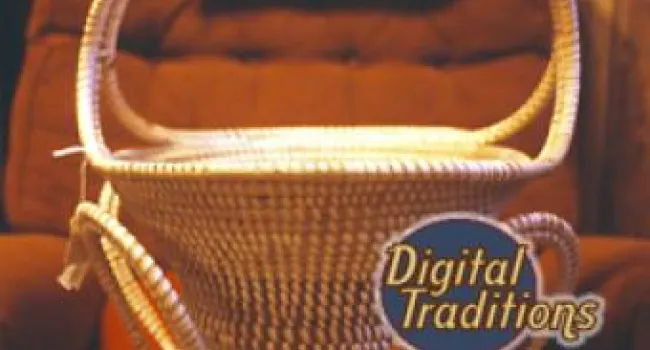
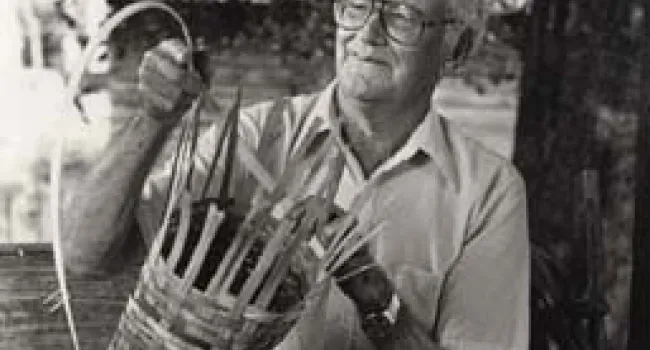
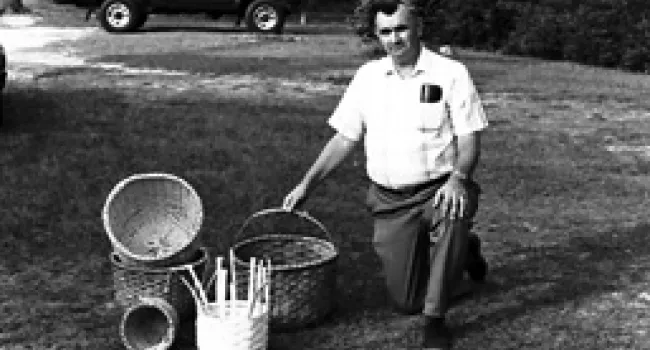
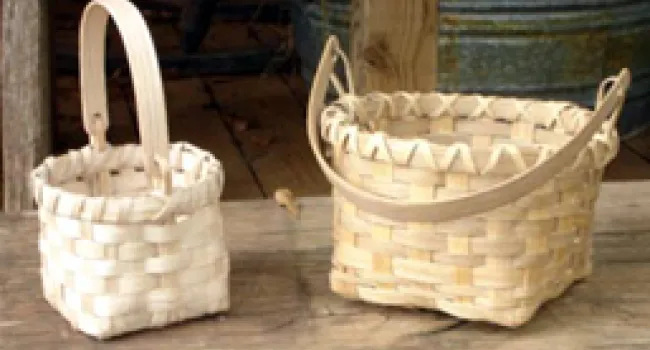
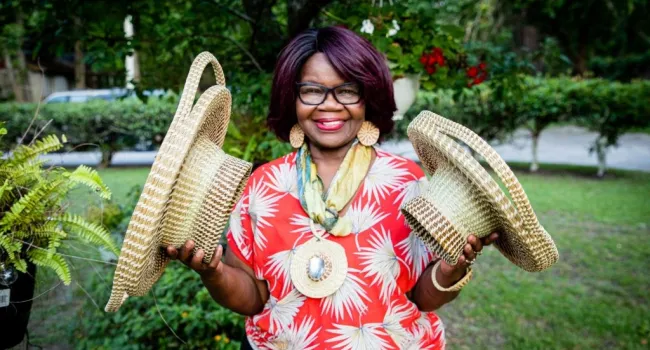
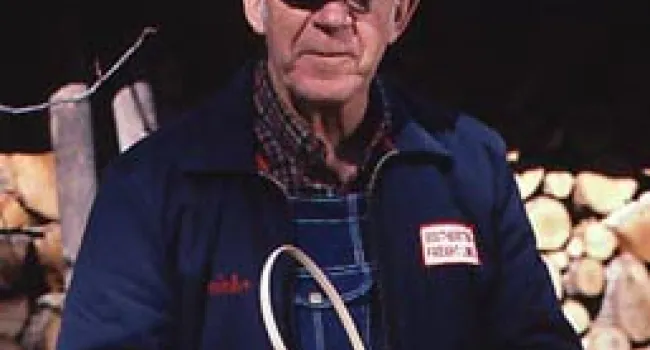
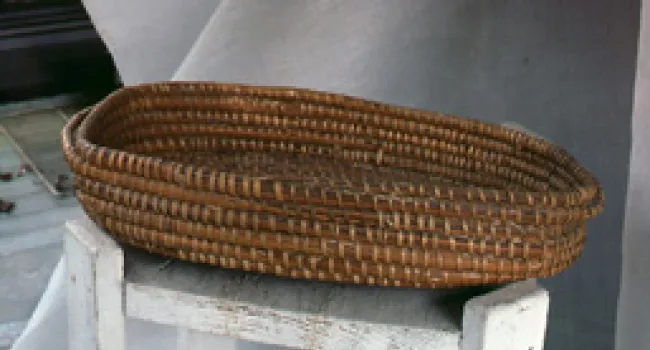
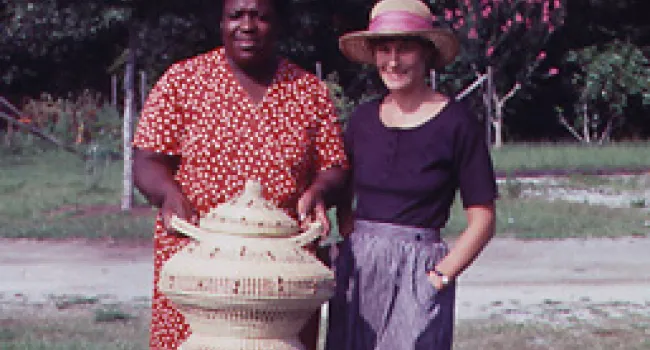
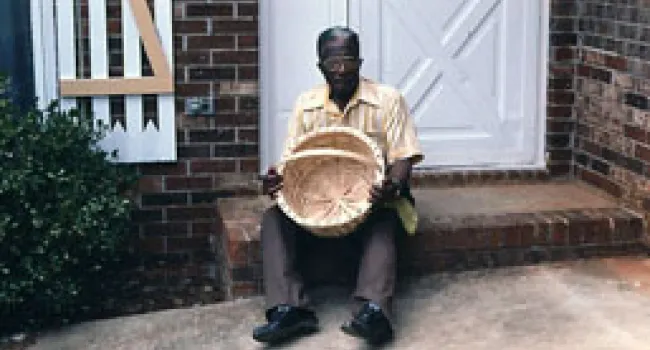
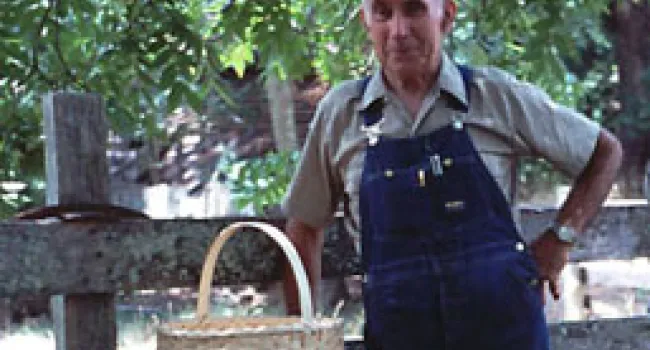
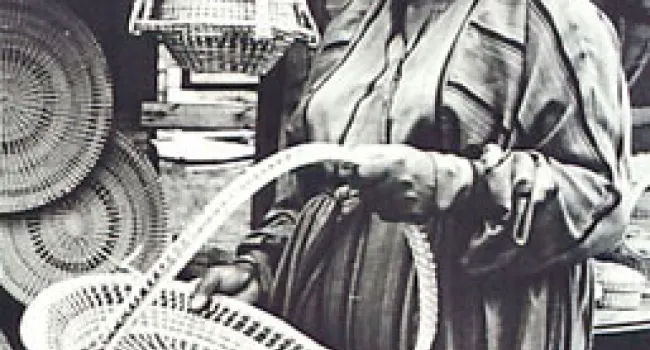
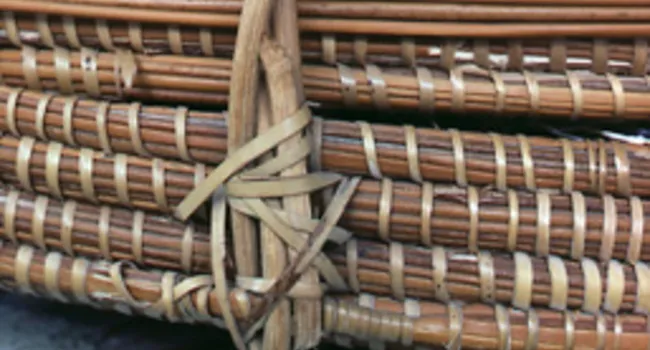
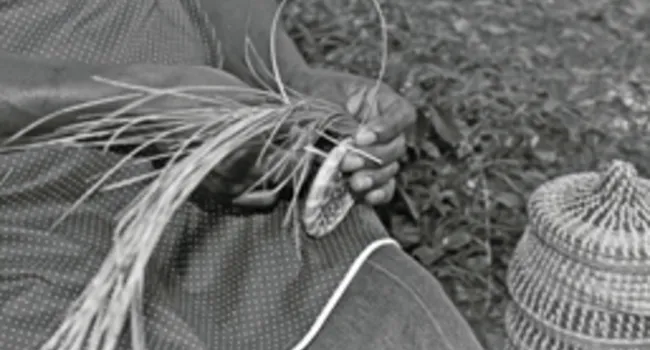
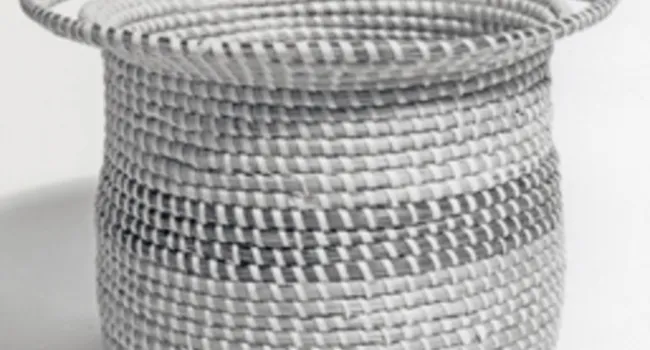
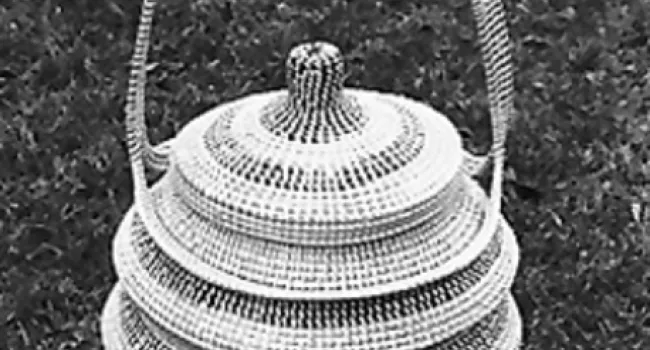
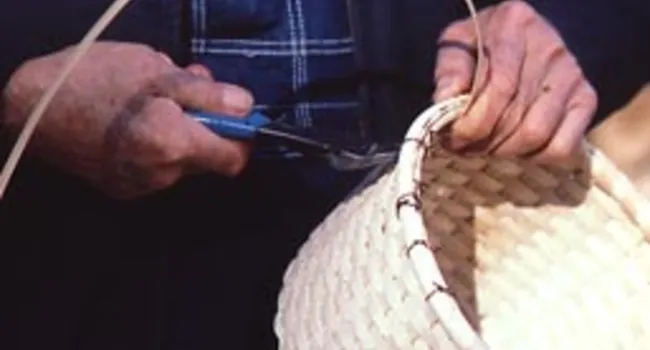
Basketmaking in South Carolina reflects the blending of Native American, European and African traditions to create two predominate types of baskets - the coiled baskets of the Lowcountry and woven baskets of the Piedmont and Blue Ridge. Native Americans used river cane to plait baskets, mats and fish traps. Europeans maintained Old World techniques and forms, adapting them to new materials like white oak to weave their harvest baskets and clothes hampers. On the coast, enslaved Africans brought their knowledge of rice production and introduced coiled basketry using local sweetgrass, bulrush, palmetto, and pine needles. Today, traditional basketmakers have adapted their forms to a changing market and most baskets are made for decorative use.
Content is provided by McKissick Museum, University of South Carolina.
For further information about any of the artists featured on Digital Traditions, send your questions and comments to hallagan@mailbox.sc.edu.
Audio
Grades
Photo
Grades

Audio
Grades
Audio
Grades

Audio
Grades

Audio
Grades

Audio
Grades

Audio
Grades

Audio
Grades

Audio
Grades

Audio
Grades

Audio
Grades

Audio
Grades

Audio
Grades

Audio
Grades
Audio
Grades

Audio
Grades

Audio
Grades
Audio
Grades
Audio
Grades
Audio
Grades
Photo
Grades
Audio
Grades
Audio
Grades