A Scribe in His Study | National Book Month

Did you ever wonder what the first books were like? European monks started making them many, many years ago in the Middle Ages. They did not have a printing press so each book was made by hand. The monks who made books were called scribes.
 
Here a scribe is working on a book. It looks like he is writing on paper but it is really the skin of a calf, also called vellum. People in Europe did not have much paper until the 15th century.
 
Photo: A scribe in his study. Courtesy of DScriptorium
 

More in this Series

Periscope / National Book Month | Periscope / A. Hail to the Handmade Book! | Periscope

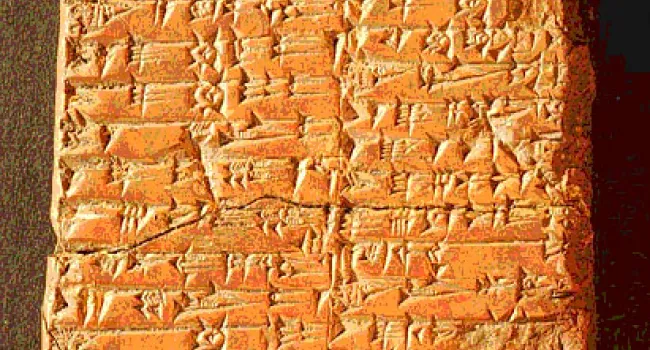
Tablet from Sumer, Now Known as Iraq | National Book Month

Photo

Grades

  • 3
  • 4
  • 5
  • 6
  • 7
  • 8
  • 9
  • 10
  • 11
  • 12
Tablet from Sumer, Now Known as Iraq | National Book Month
Episode 1
A tablet might also be called a book, but it is only one or two pages. And since tablets are usually made of clay or stone, they would be pretty heavy in your bookbag. This is a tablet from Sumer, the...
Page from the Book of Kells | National Book Month

Photo

Grades

  • 3
  • 4
  • 5
  • 6
  • 7
  • 8
  • 9
  • 10
  • 11
  • 12
Page from the Book of Kells | National Book Month
Episode 3
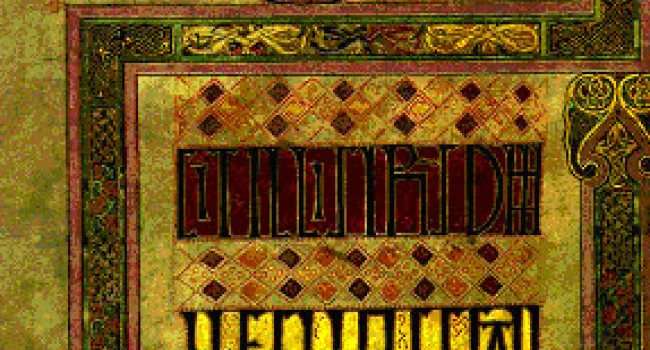
Each book was special and took a long time to make. Sometimes a monk worked for a year or more on one book. Usually they were stories from the Bible, so the monks wanted them to be very beautiful...
13th Century Prayer Book | National Book Month

Photo

Grades

  • 3
  • 4
  • 5
  • 6
  • 7
  • 8
  • 9
  • 10
  • 11
  • 12
13th Century Prayer Book | National Book Month
Episode 4
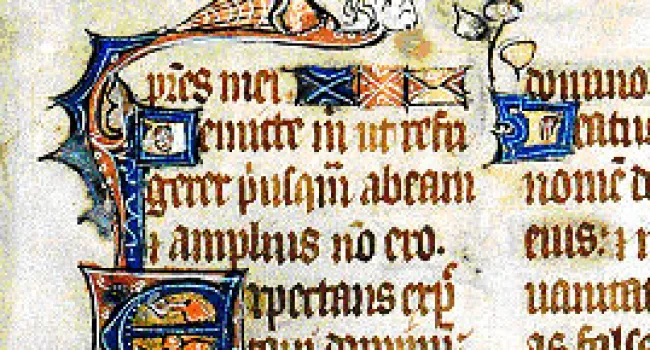
In this page from a 13th century prayer book the letter "P" changes into a man and the "E" is in a box, with flowers inside it. Photo courtesy of The Melbert R. Cary, Jr. Graphic Arts Collection
14th Century Prayer Book - National Book Month

Photo

Grades

  • 3
  • 4
  • 5
  • 6
  • 7
  • 8
  • 9
  • 10
  • 11
  • 12
14th Century Prayer Book - National Book Month
Episode 5
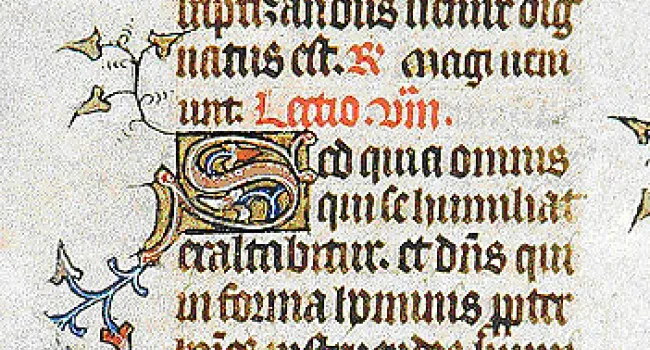
This is a page from a prayer book made in England in the 14th century. Can you see how the big letter "S" has an ivy vine growing all around it? Photo courtesy of The Melbert R. Cary, Jr. Graphic Arts...
14th Century Hymnal | National Book Month

Photo

Grades

  • 3
  • 4
  • 5
  • 6
  • 7
  • 8
  • 9
  • 10
  • 11
  • 12
14th Century Hymnal | National Book Month
Episode 6
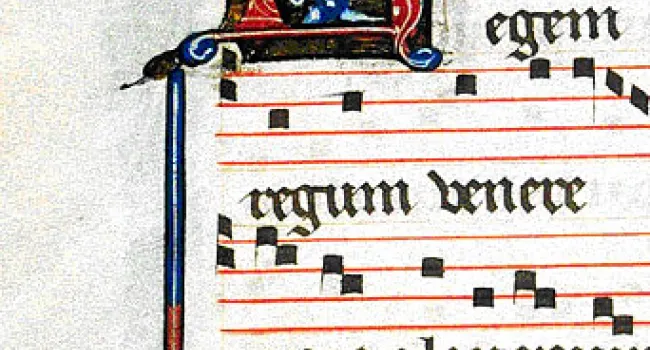
This hymnal from the 14th century has a "B" with a long tail. What else do you notice about the "B"? Photo courtesy of The Melbert R. Cary, Jr. Graphic Arts Collection
15th Century Prayer Book | National Book Month

Photo

Grades

  • 3
  • 4
  • 5
  • 6
  • 7
  • 8
  • 9
  • 10
  • 11
  • 12
15th Century Prayer Book | National Book Month
Episode 7
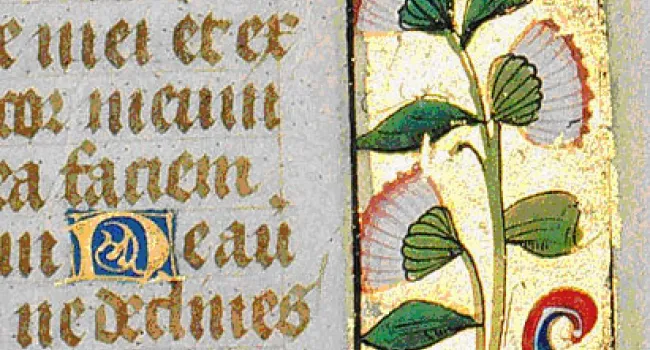
Here a border is made out of flowers. It is from a prayer book made in the 15th century. Courtesy of: The Melbert R. Cary, Jr. Graphic Arts Collection
Medieval Book Cover | National Book Month

Photo

Grades

  • 3
  • 4
  • 5
  • 6
  • 7
  • 8
  • 9
  • 10
  • 11
  • 12
Medieval Book Cover | National Book Month
Episode 8
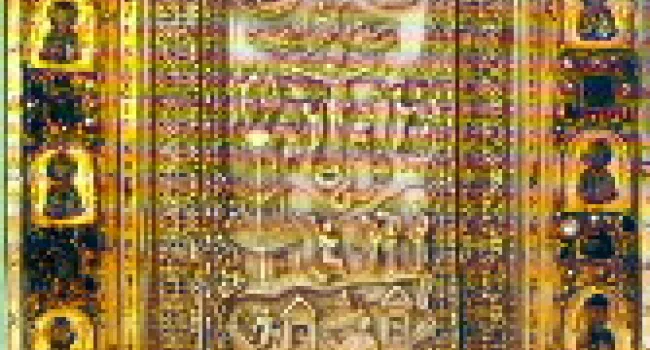
Handmade books were expensive and only very rich people could afford to buy them. Because it took so long to make one book, only a few books existed. There were no bookstores and the biggest library...
Johannes Gutenberg | National Book Month

Photo

Grades

  • 3
  • 4
  • 5
  • 6
  • 7
  • 8
  • 9
  • 10
  • 11
  • 12
Johannes Gutenberg | National Book Month
Episode 9
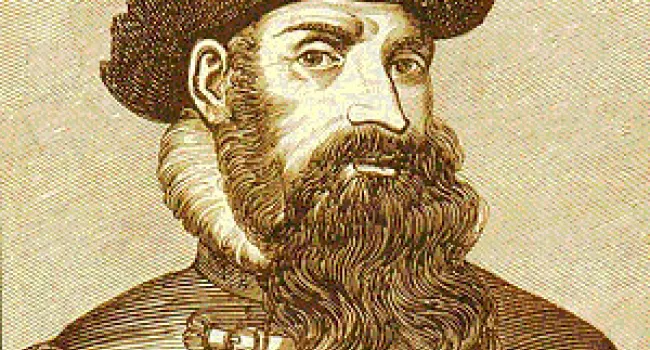
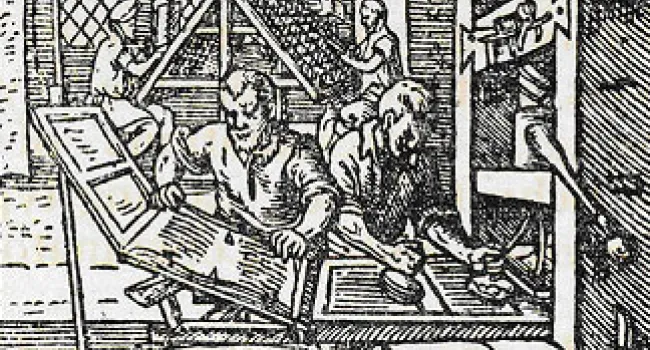
In the middle of the 15th century, a German man named Johannes Gutenberg invented a printing press. Also, Europeans learned how to print books on paper. These two inventions made it easier to create...
An Early Printing Press | National Book Month

Photo

Grades

  • 3
  • 4
  • 5
  • 6
  • 7
  • 8
  • 9
  • 10
  • 11
  • 12
An Early Printing Press | National Book Month
Episode 10
Printed books were much cheaper to make, so many more people bought books and learned to read. The ideas written in books spread quickly across Europe. The world was never the same once lots of people...