Native American Canoes | History Of SC Slide Collection

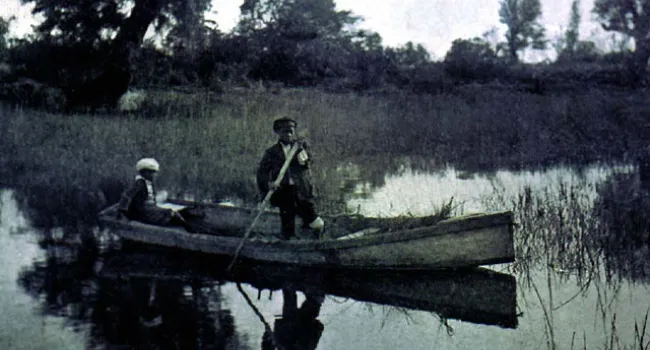
The first builders of boats for transportation in North America were the tribes of Native Americans who greeted the European invaders with canoes. The canoes of the southeast woodlands tribes were most likely fashioned from whole logs, through a laborious process of burning and chipping away the interior to leave a sturdy, seaworthy shell. Dugout canoes could reach a considerable size, limited only by the length and circumference of the logs available in the forest. Later, slave laborers constructed canoes using the same building techniques to transport plantation goods down South Carolina's rivers to market towns. (For other illustrations showing the way of life of Carolina coastal Native Americans, see Early Native Americans In South Carolina, Native Americans Hunting, and Native American Pottery)

Courtesy of the University of North Carolina Press.

More in this Series

History of SC Slide Collection / F. Transportation in South Carolina | History of SC Slide Collection / B. Water Transportation

The "Henrietta" | History Of SC Slide Collection

Photo

Grades

  • 3
  • 4
  • 5
  • 6
  • 7
  • 8
  • 9
  • 10
  • 11
  • 12
The "Henrietta" | History Of SC Slide Collection
Episode 1
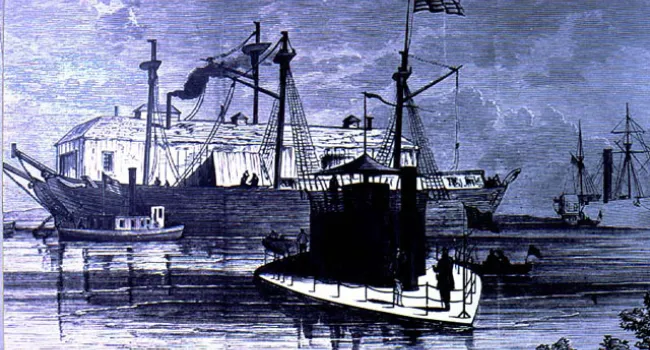
The "Henrietta" was the largest ship ever built in Horry County. She was launched in 1875, registering more than 1,200 tons, 201 feet long, and 39 feet wide. Courtesy of the South Caroliniana Library.
The "Mosquito Fleet" | History Of SC Slide Collection

Photo

Grades

  • 3
  • 4
  • 5
  • 6
  • 7
  • 8
  • 9
  • 10
  • 11
  • 12
The "Mosquito Fleet" | History Of SC Slide Collection
Episode 4
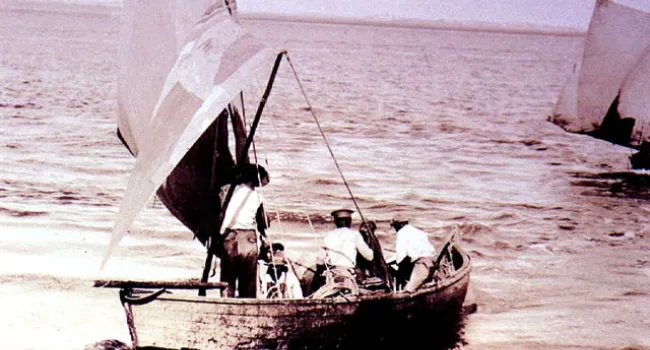
A small fleet of agile boats owned and operated by members of the African-American community in and around Charleston came to be known as the "Mosquito Fleet." They provided a number of essential...
The West Point Rice Mills | History Of SC Slide Collection

Photo

Grades

  • 3
  • 4
  • 5
  • 6
  • 7
  • 8
  • 9
  • 10
  • 11
  • 12
The West Point Rice Mills | History Of SC Slide Collection
Episode 5
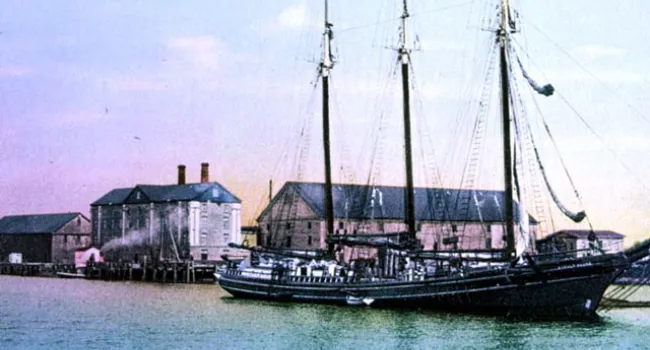
The West Point Rice Mills at Charleston's harbor boasted docks large enough to load and unload large vessels such as this three-masted schooner, "Warren Moore," pictured in 1907. The last rice cargo...
The Congaree River | History Of SC Slide Collection

Photo

Grades

  • 3
  • 4
  • 5
  • 6
  • 7
  • 8
  • 9
  • 10
  • 11
  • 12
The Congaree River | History Of SC Slide Collection
Episode 8
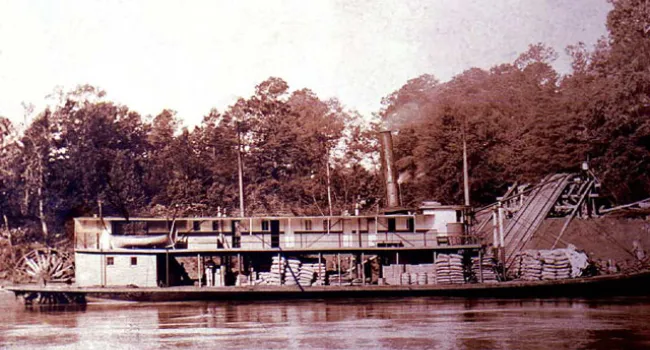
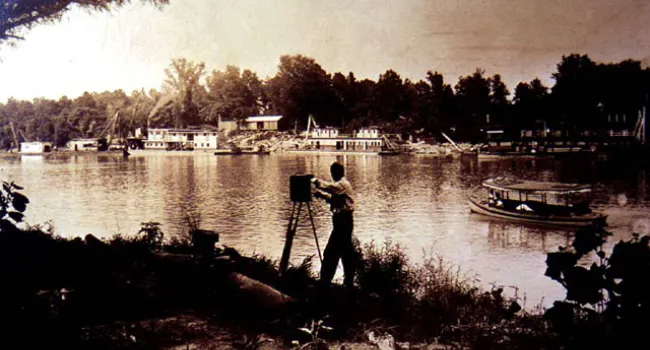
The Congaree River was an important route for travel into the interior of the state until well into the 20th century. Steamboats and barges transported freight and passengers. Some of the steamboats...
Lighthouses | History Of SC Slide Collection

Photo

Grades

  • 3
  • 4
  • 5
  • 6
  • 7
  • 8
  • 9
  • 10
  • 11
  • 12
Lighthouses | History Of SC Slide Collection
Episode 11
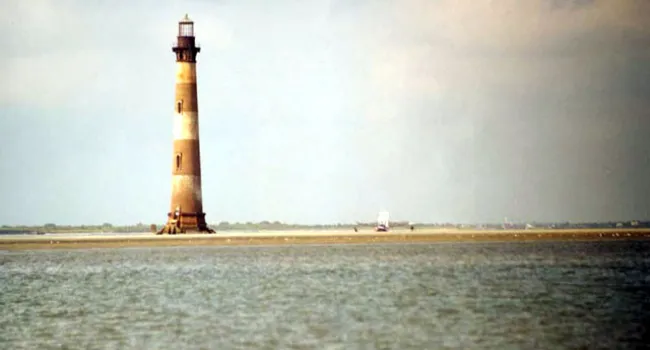
Shipping traffic moving in and out of the harbors along the Carolina coast depended upon a series of lighthouses to guide them through sometimes narrow and treacherous channels in the complicated...
The Strawberry Ferry | History Of SC Slide Collection

Photo

Grades

  • 3
  • 4
  • 5
  • 6
  • 7
  • 8
  • 9
  • 10
  • 11
  • 12
The Strawberry Ferry | History Of SC Slide Collection
Episode 13
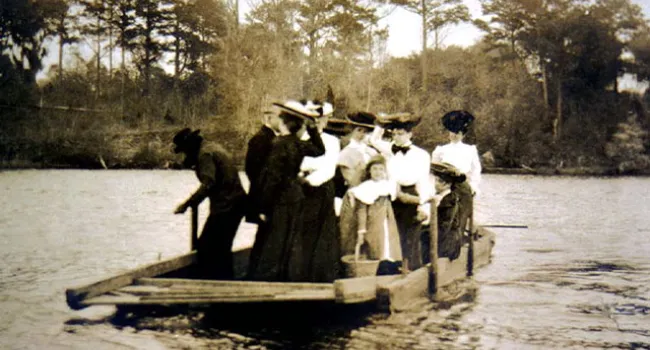
First operated in 1707, the Strawberry Ferry crossed the Cooper River in Berkeley County. In this photo around 1900, passengers are going to church across the river. Courtesy of the South Caroliniana...
The Nansemond Ferry Boat | History Of SC Slide Collection

Photo

Grades

  • 3
  • 4
  • 5
  • 6
  • 7
  • 8
  • 9
  • 10
  • 11
  • 12
The Nansemond Ferry Boat | History Of SC Slide Collection
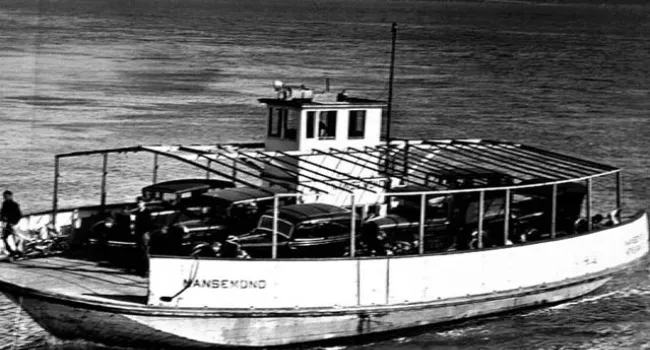
Episode 15
The Nansemond ferry boat crosses the Cooper River in the 1930s, even though the Cooper River Toll Bridge provided an alternative way into Charleston for automobile traffic. Photo by M.B. Paine...