Unlimited and Limited Government in Europe, 1600-1700
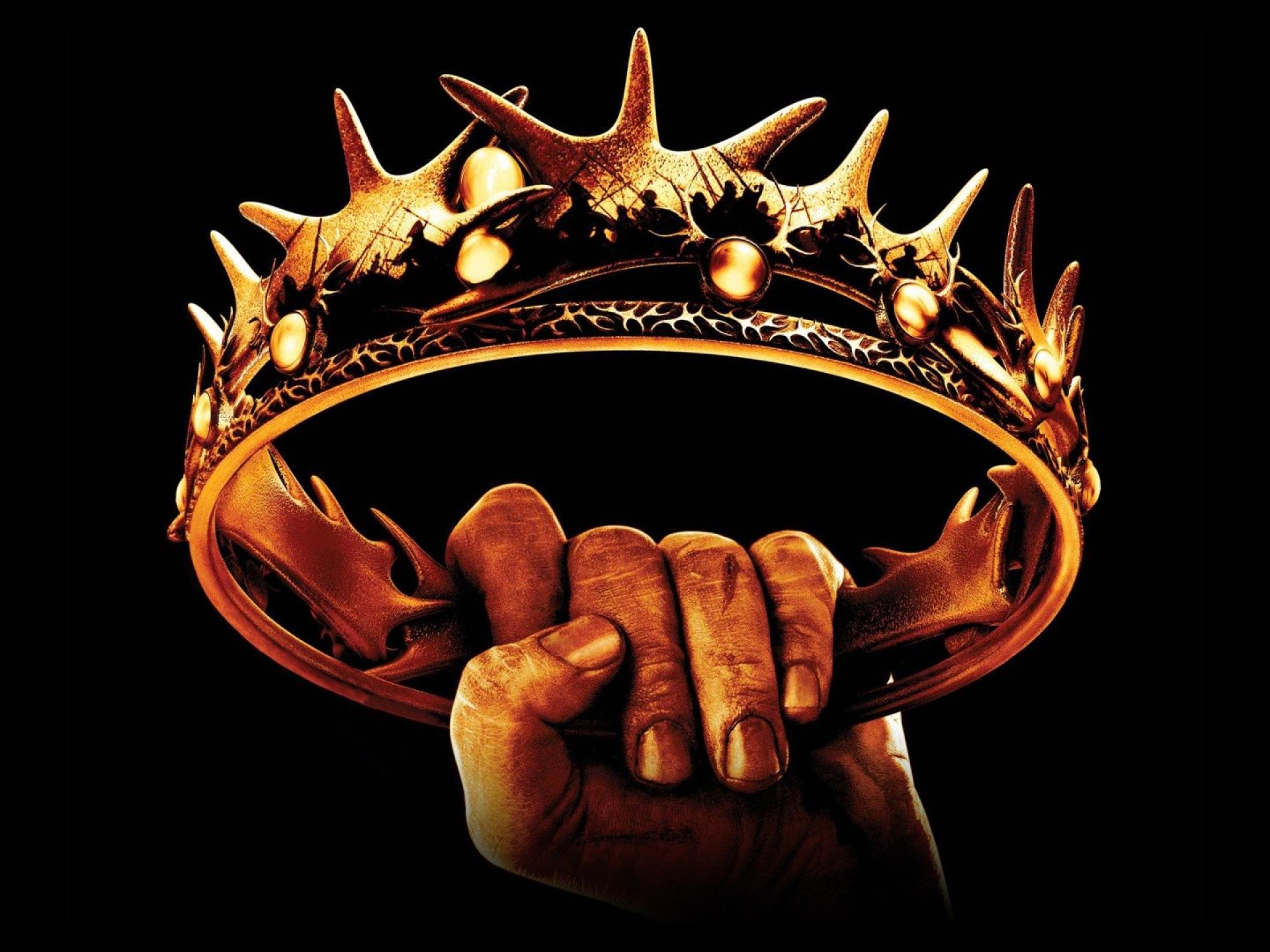
Unlimited and Limited Government in Europe, 1600-1700 will introduce the development of governmental systems in Europe after feudalism. The student will be able to differentiate between limited and unlimited governmental systems by giving examples of each. They will be able to use a children's book, Yertle the Turtle, to analyse the shortcomings of unlimited government as portrayed in the actions of a dictatorial turtle and the other turtles under his command,
Lesson Created By: Eugene Ramsey Hardin IV
Essential Question
How can we describe the characteristics of limited and unlimited government that evolved in Europe in the 1600s and 1700s?
Grade(s):
- 7
Subject(s):
Recommended Technology:
Whiteboard or other presentation device
Powerpoint presentation on government systems
Computer access for each student, preferably Chromebook with Google Classroom
YouTube video of Yertle the Turtle by Dr. Seuss
Other Instructional Materials or Notes:
Cardboard crown for each student
Black marker for each student
Two pocket folder with organizers, notes pages, and vocabulary for each student
Lesson Progression
Introduction (with suggested time needed)
Anticipation Guide: (10 minutes) Use the Unlimited/Limited Google Slides to show each stage of the lesson. Define unlimited power. Ask students to give examples of some people who have or have had unlimited power. Tell the students that they are now unlimited monarchs (for the time of the class) and will be asked to propose changes for the world--local, state, and national. Give each student a cardboard crown and a marker in his/her folder. Students should divide the back of the crown into three areas: (1) home, school, community; (2) South Carolina, (3) United States. Using cardboard crowns, students will make personal responses about an unlimited government approach to decision making in the home, the school, the community, the state, and the nation as they are crowned “Monarch for a Moment.” They will propose one change they would make at each level if they were unlimited monarchs
(5 minutes) Students share with a partner the one change they would most like to make.
(5 minutes) Teacher asks for volunteers to share changes. Teacher asks how the change would affect others, how others would like the change, and the monetary cost of the change.
(20 minutes) Students view Dr. Seuss’s Yertle the Turtle, a story about unlimited power.
Homework: Students will complete an analysis of the story on the questions handout in their folders. Students cab watch the video again at home to increase their understanding.
Teacher Notes
- Students will use an organized folder for all lesson materials. The use of a folder to keep handouts, notes, and assessments prevents loss of class materials, allows for students to keep track of progress, and promotes organization for students who have difficulty keeping up with their work.
- Students will have access to a variety of visuals and leveled readings.
- Students will have Powerpoints or Google Slides and videos to illustrate ideas.
- Students will take notes on a graphic organizer.
Yertle the Turtle Analysis Questions
Set of questions that students answer after viewing and reading Yertle the Turtle and reflecting on his governing style.
View ResourceUnlimited vs Limited Government Presentation
Google slides presentation that includes agenda, procedures, notes, and links to video
View ResourceOrganizer for Unlimited vs Limited Government
Comparison of governmental types ready for students to complete in print or online.
View ResourceYertle the Turtle Text Online
Written text of Yertle the Turtle for the assistance of hearing impaired or ESOL students.
View ResourceClose Reading Plans for Yertle the Turtle
Procedures for a close reading of Yertle the Turtle with the last 4 pages of the handout containing the text and questions to guide students in interpreting its political meaning.
View ResourceStandards
- 7-2 The student will demonstrate an understanding of the concepts of limited government and unlimited government as they functioned in Europe in the seventeenth and eighteenth centuries.
Assessments
Formative:
- “Monarch for a Moment” Crown response and partner/class share
- Limited and Unlimited comparison organizer
- Yertle the Turtle analysis sheet