Solar System Simulation
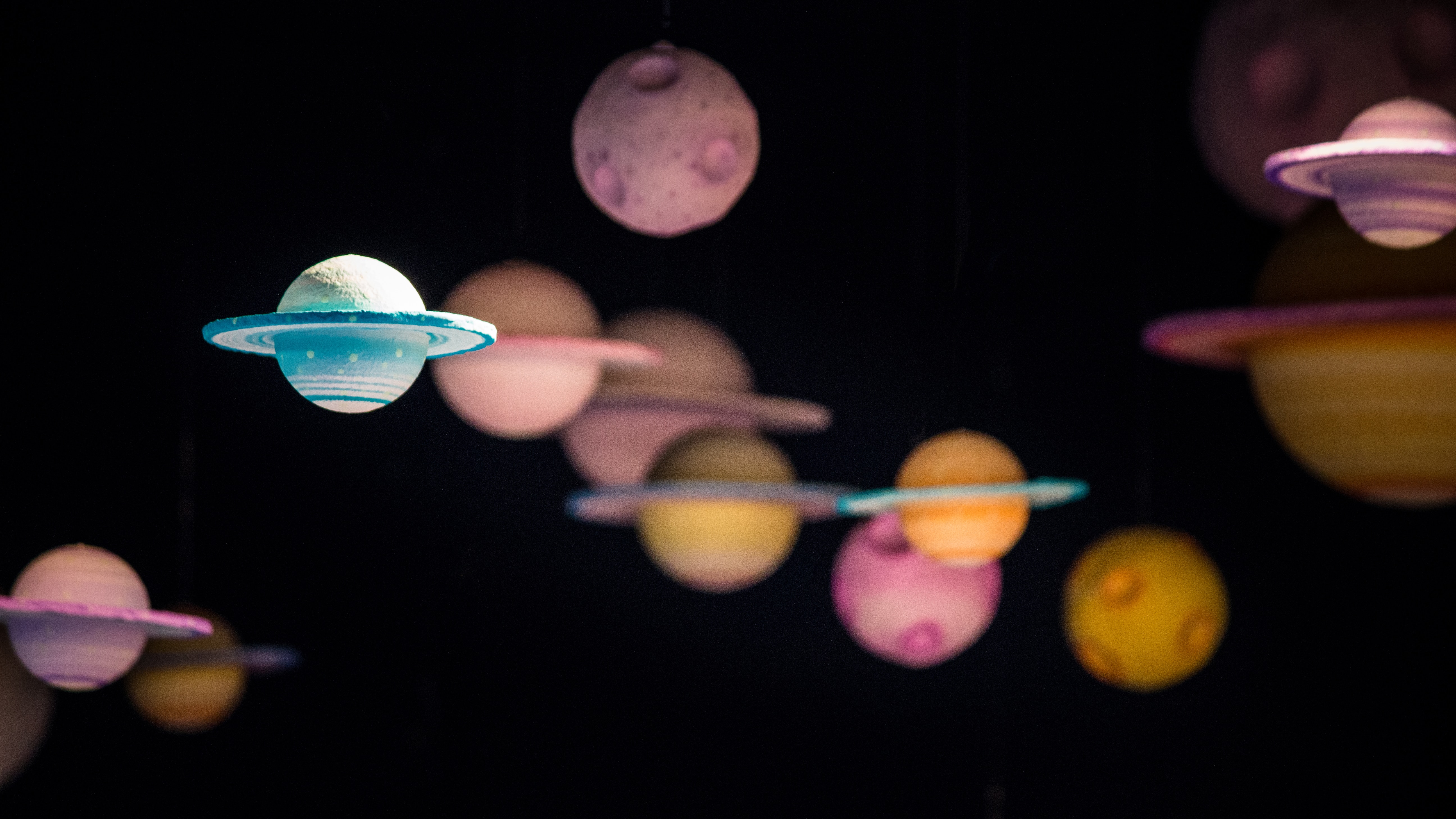
Students will begin to understand the solar system by using and creating models to demonstrate the layout of the solar System.
Essential Question
If I traveled to space what would I see when I got there?
Grade(s):
- 4
Subject(s):
Recommended Technology:
Chromebooks
Other Instructional Materials or Notes:
Lesson Progression
Day 1: Introduce the project. Begin by saying, "guys, we are traveling to space!" Begin to ask students, what is in space? How large are the planets? Are the planets just moving around all over the place? Begin to ask students what other questions they have. Have students write down the questions. Also, have students begin to write what they believe is in space. Have students begin an inquiry into the planets. Have them create their own questions.
Day 2: planets and order of planets.
Use Slide show (included in resources) to introduce planets and their composition.
Have students begin to understand the order of the planets and the size.
Day 3:
Take students outside to a large area.
Have one student be the "sun".
Begin to draw orbits with chalk
Have students line up on orbital showing the different planets.
Each student will have a piece of paper that says how much smaller it is than the sun. Ex.) the Earth is about 100 times smaller than the sun
Students will rotate around the run to show the orbits of the planets.
They will also see how the planets move in the same direction around the sun (but not always spin the same way)
Day 4-6
Students will make models of the solar system
They will use paper, coins, string, or any other supplies you have. (white styrofoam balls work GREAT)
They will paint, color, or create different planets. If able, have students use a rock to show if the planets are made of rocks.
Day 7
Have students present their models.
They should be able to identify if the planet is made of gas or rock.
They should also be able to justify their reasoning for using the materials they did. (Make sure that sizes are considered. Ex.) Jupiter should not be the same size as the moon.)
Day 8
Have students look back at the questions they asked on day 1.
Begin to see if they answered their own questions.
If they still have questions, tell them this will be their inquiry project.
They must have one question and conduct research to answer the question. (technology, textbooks, library books, etc)
Day 9-10
Conduct Research
Day 11
Have students write an essay answering the essential question, "If I traveled to space what would I see?"
They should treat the essay as if they have gone to space. They should include facts about the planets using the evidence they collected during their investigations.
Standards
- Earth Science: Stars and the Solar System
- 4.E.3 The student will demonstrate an understanding of the locations, movements, and patterns of stars and objects in the solar system.
- Grade 3: Speak clearly at an understandable pace, adapting speech to a variety of contexts and tasks; use standard English when indicated or appropriate.
- C Communication
- W.L Language
- Grade 1: Use context to confirm or self-correct word recognition and understanding, rereading as necessary.
- RI.MC Meaning and Context
Assessments
Models at the end of the assignment will be graded.
Writing assingments can also be graded.