Plant Investigations
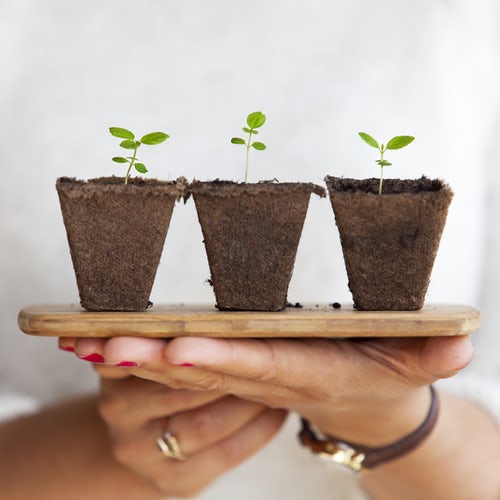
Students receive foundational information in the previous grade about the plant life cycles. The teacher should begin the discussion assessing student’s prior knowledge about plants including, the necessities for them to grow and produce also the stages of the life of plants.
In groups, have students research and present plants that are on their plate. These plants can be a combination of all of their cultures or students can pick one culture to research and present on. Students will need to classify that plant as a flowering or non-flowering plant, present a model of the plant and its development, what is needed for that plant to grow, and when and where that plant is best grown.
Lesson Created By: LaurenBenton
Lesson Partners: Center for the Education & Equity of African American Students (CEEAAS)
Essential Question
Are students able to identify and classify plants by their characteristics? Can students understand how the structural characteristics and traits of plants and animals allow them to survive, grow, and reproduce?
Grade(s):
- 4
Subject(s):
Recommended Technology:
Computer, projector
Other Instructional Materials or Notes:
Lesson Progression
1. Students received foundational information in the previous grade about the plant life cycles. The teacher should begin the discussion assessing student’s prior knowledge about plants including, the necessities for them to grow and produce also the stages of the life of plants.
What students should know: Basic Needs
Sunlight—Plants get energy from the Sun. Chlorophyll found in plant leaves uses sunlight to change water, minerals, and carbon dioxide into food. This process is called photosynthesis.
Water—Plants must have water because it helps carry nutrients from the soil to the plant's roots. Water is a part of plant cells and is the main ingredient for photosynthesis.
Minerals—Plants need soil because they use it to get water, nutrients, and minerals.
Air—Plants also get nutrients from the air. During photosynthesis, plants take in carbon dioxide from the air and release oxygen.
Space—Plants also need space to grow. If there are too many plants for the amount of sunlight, soil, minerals, or space, some of the plants will not survive
Plant Parts
Roots—Roots anchor the plant in the soil, take in water from the soil, and take in nutrients from the soil.
Leaves—Leaves are where photosynthesis mainly takes place. Leaves take in carbon dioxide from the air and absorb sunlight energy. Both of these things are needed in order for the plant to make food through photosynthesis. Leaves exchange gases with the atmosphere through holes called stoma.
Stems—Stems provide structure for the plant and allow water and nutrients to travel throughout the plant. The stems of some plants can also help the plant to reproduce. If the stem is planted in the ground correctly, a new plant will grow
Using the information that they know about plants, pose the following questions, “do all plants need the same thing to survive.?” “What are the types of plants, and do all types of plants produce the same thing?”
This discussion leads to new content for students. If students do not already have the concept that plants need the same basic things to grow but not the same way explain to students. For example, most plants need soil, water, and light but some plants need different variations of the three such as little light and well-drained soil or a lot of light and water.
2. Students will also need to know the difference between flowering and non-flowering plants.
Flowering Plants - Plants that produce flowers. Their seeds are found in flowers that grow with the leaves.
Non-Flowering Plants - plants that don’t produce flowers and seeds. Non-flowering plants such as ferns and mosses produce spores instead of seeds. Non-flowering plants also include plants with cones.
Seeds are new plants
Flowering plants reproduce through their seeds. Their seeds are spread in many ways including wind distribution and animals.
3. Have students research flowering and nonflowering plants, finding three examples of each and describing why it fits into that particular category. Have students present their findings to the class.
To close, have students complete a DLIQ:
What Did I Do?
What Did I Learn?
What was Interesting?
Questions?
4. Segment 2 – What’s on YOUR Plate?
Start the next segment by reviewing material from segment 1. Address questions from the Q section of the DLIQ.
5. Pose the question, “what plants are typically on your plate?” follow up with “Are those plants flowering or non-flowering?”
Read “Farmer Will Allen and the Growing Table”
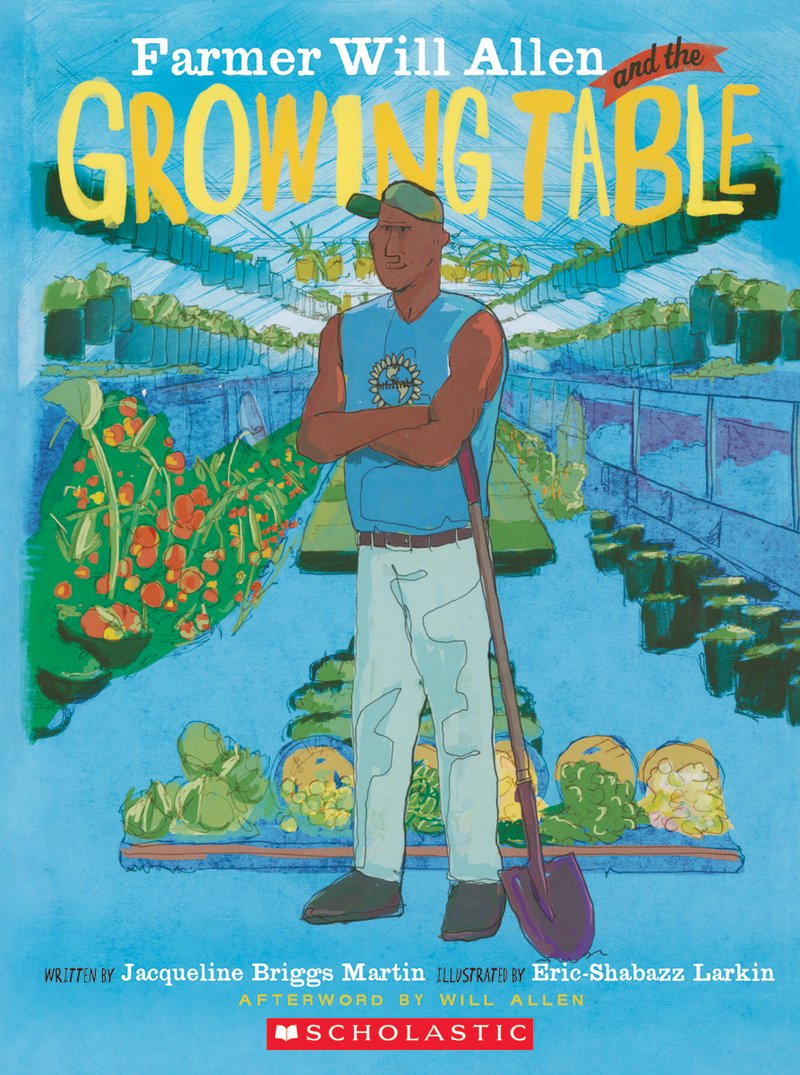
Have students discuss with their classmates the following:
Their thoughts about the book
What plants are important in their household/plants that they consume a lot of
What plants are important to their culture’s diet.
Have students research and present, individually or n groups, on their plate. These plants can be a combination of all of their cultures or students can pick one culture to research and present on. Students will need to classify that plant as a flowering or non-flowering plant, present a model of the plant and its development, what is needed for that plant to grow, and when and where that plant is best grown.
Nature and Plant Quiz
This quiz helps students review their knowledge on flowering and nonflowering plants.
View ResourceFarmer Will Allen and the Growing Table
The story of former basketball star and current urban farmer and activist, Will Allen, whose vision of gardening from abandoned urban sites led to a grassroots feeding craze. Learn about composting, container gardens, and "growing power."
View ResourceStandards
- Life Science: Characteristics and Growth of Organisms
- 4.L.5 The student will demonstrate an understanding of how the structural characteristics and traits of plants and animals allow them to survive, grow, and reproduce.