Learn About Your Community

Part 1: Collect Oral Histories – 15 minutes
Give your students a week to interview an older person about their relationship to one or several natural, cultural, or historic landmarks in their community and to later share their findings with the class. Interviews may be transcribed, videotaped, tape recorded, or condensed into a narrative. This assignment can either be high-tech or low-tech, it’s up to you.
Part 2: Share Your Interview Findings – 2-4 class periods
After allowing preparation time, let students talk to the rest of the class about what they learned in their interviews. Give them 3-5 minutes each for presentations.
Grade(s):
- 7
- 8
- 9
- 10
- 11
- 12
Subject(s):
Recommended Technology:
A computer with an internet connection and a means of display to the class
Other Instructional Materials or Notes:
Lesson Progression
Part 1: Collect Oral Histories – 15 minutes
Procedure
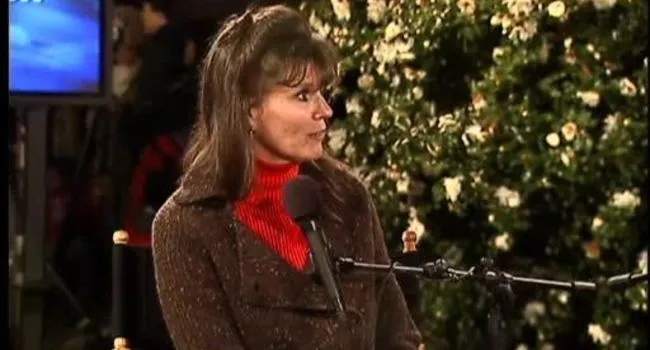
Use the Pee Dee Explorer website to learn about the Pee Dee, showcasing one or several video interviews conducted with Pee Dee residents. A good example is the video called “Clio” where one woman talks about her experiences in working the cotton fields. Give your students a week to interview an older person about their relationship to one or several natural, cultural, or historic landmarks in their community. https://www.knowitall.org/video/clio-pee-dee-explorer
You might have students choose landmarks and guide interviews to coincide with one or several topics with Pee Dee Explorer “Chapters,” i.e., The Natural Landscape, The Indigenous Landscape, The Historic Landscape, or The Agricultural Landscape.
Teachers might want to allow students to use technology in completing this assignment where time and resources are available, either by in incorporating Movie Maker, iMovie, or PowerPoint presentations (with about 7 or 10 slides apiece) or by allowing students to integrate digital photography or video of their interviews and of their places of interest. Interviews may be transcribed, videotaped, tape recorded, or condensed into a narrative. This assignment can either be high-tech or low-tech, it’s up to you.
Part 2: Share Your Interview Findings - 2-4 class periods
Procedure
If you have found enough time and resources in order to allow students to incorporate technology into their interview presentations, then spend two class periods in a lab setting allowing them to prepare Movie Maker, iMovie, or PowerPoint presentations (with about 7 or 12 slides apiece), and to incorporate any digital photography or video of their interviews and of their community resource. Spend 2 class periods going around the class allowing students about 3-5 minutes each to present and to talk to the rest of the class about what they have learned from their interviews. Allow for question and answer time and discussion at the end of each class.
Teacher Notes
For technology integration, use digital photo or video cameras, or allow students to use their cell phones (optional)
Download the Video Production Guide
A computer lab with Microsoft PowerPoint, Microsoft Movie Maker, or Apple iMovie on all computers (optional)
Storage medium(s) for presentation of work in class on a computer that is fully compatible with all mediums of student presentation (optional)
A computer or television, depending on the format of student work, with means of display to the class (optional)
There are many resources available On-line for help with interviewing and fieldwork. One very thorough resource is Folklife and Fieldwork: a Layman's Introduction to Field Techniques by Peter Bartis found at the Library of Congress website.
Another straightforward site for help with asking questions is the Step-by-Step Guide to Oral History.
Clio | Pee Dee Explorer
The history of one of South Carolina's most important crops, cotton
View AssetCreate Your Own Appeal: Conservation and Preservation in South Carolina
Part 1: Create Your Own Appeal – 45 minutes Students will begin to think critically about issues relating to the conservation and preservation of places that have natural, cultural, or historic value...
View LessonStandards
- WG-1 The student will demonstrate an understanding of the physical and human characteristics of places, including the creation of regions and the ways that culture and experience influence the perception of place.
- AL.IC I can participate in conversations about familiar topics that go beyond my everyday life. I can talk in an organized way and with some detail about events and experiences in various timeframes. I can describe people, places, and things in an organized way and with some detail. I can handle a familiar situation with an unexpected complication.
- AM.IL I can understand the main idea and most supporting details on a variety of topics of personal and general interest, as well as some topics of professional interest. I can follow stories and descriptions of some length and in various timeframes. I can understand information presented in most genres, even when not familiar with the topic.
- This indicator was developed to encourage inquiry into how cultural characteristics are determined by a broad range of factors and interactions specific to a place.