First Step auf Deutsch 109: Celebrating Holidays Lesson Plan

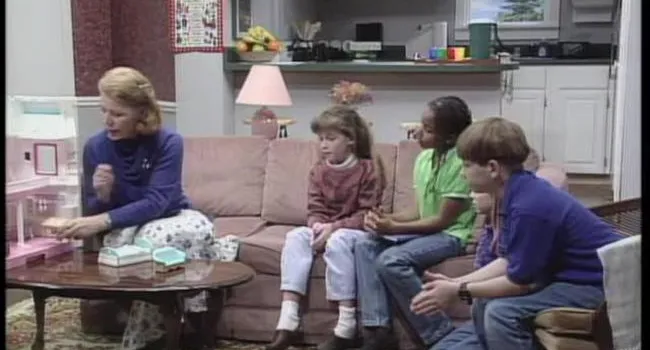
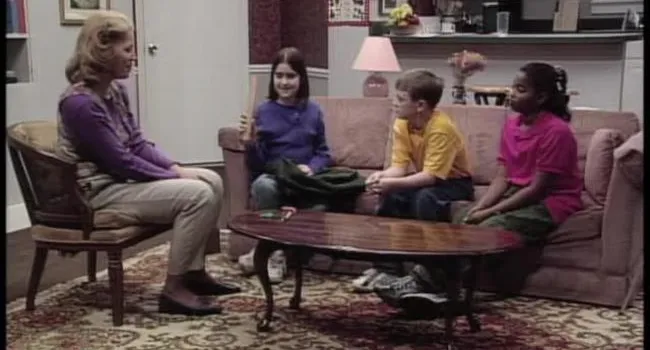
Frau Falcone greets the children at the door. Jessica is happy because she is going on vacation to the lake. When asked about when she is going, Jessica says that she is leaving on Friday. Frau Falcone gets the calendar out, and she shows them the days of the week.
Then, she asks the children what they do on each day of the week. Erin says that on Monday she goes to school. On Tuesday, Robbie plays basketball. On Wednesday Dayne plays baseball, and Jessica reads a book on Thursday. Frau Falcone asks what Jessica will be doing on Friday, and the children answer that she will be going to the lake. Jessica explains that she’s going on vacation this weekend because it’s her birthday.
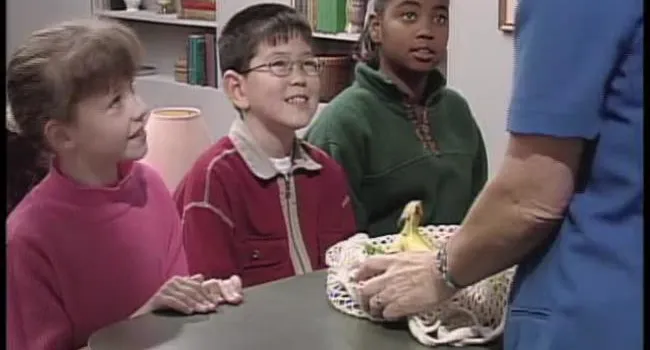
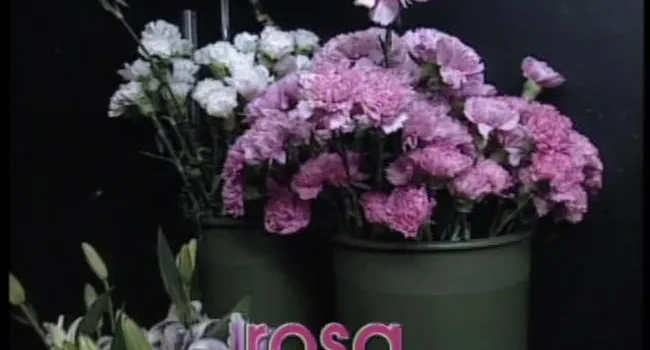
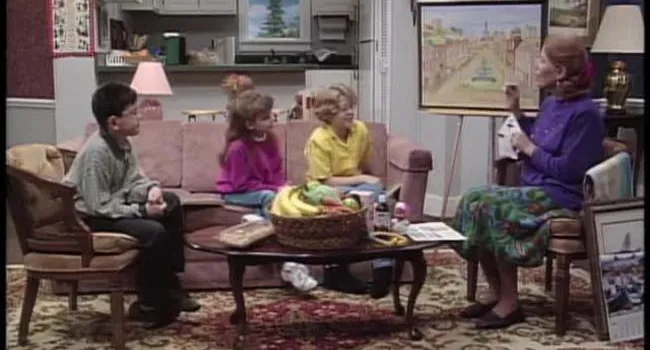
The children draw pictures of the different seasons. They discuss their favorite season, what happens during that season, and what the weather is like then. Dayne draws a picture of summer, when it’s warm. Jessica draws fall, with many multi-colored leaves floating through the air. Robbie draws winter, a mostly white picture with snow falling and a snowman. Emily, who sits by some fresh flowers, drew spring, when flowers bloom.
Frau Falcone asks about the weather during the different seasons, and then she talks about the type of clothing worn during each season. Children have the appropriate clothing on for their favorite season, and they model the clothes as they tell about their particular season. This is a review of clothing from lesson #5.
Frau Falcone tells the children about the celebration of Christmas in Germany.
Grade(s):
- Pre K
- Kindergarten
- 1
- 2
Subject(s):
Recommended Technology:
Other Instructional Materials or Notes:
Vocabulary
| Days of the Week | Die Tage der Woche |
| Monday | der Montag |
| Tuesday | der Dienstag |
| Wednesday | die Mittwoch |
| Thursday | der Donnerstag |
| Friday | der Freitag |
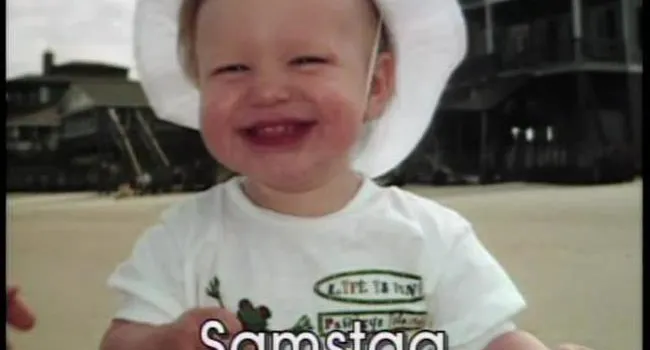
| Saturday | der Samstag |
| Sunday | der Sonntag |
| What day is today? | Welcher Tag ist heute? |
| Today is . . . | Heute ist . . . |
| Seasons | die Jahreszeiten |
| Spring | der Fruehling |
| Summer | der Sommer |
| Fall/Autumn | der Herbst |
| Winter | der Winter |
| What's the weather like? | Wie ist das Wetter? |
| It's cold. | Es ist kalt. |
| It's hot. | Es ist heiss. |
| It's sunny. | Es ist sonnig. |
| It's raining. | Es regnet. |
| It's windy. | Es ist windig. |
| Holidays | die Feiertage |
| Christmas | Weihnachten |
| Santa Claus | der Weihnachtsmann(comes on December 24th) |
| St. Nicolas Day | der Nikolaus (comes on St. Nikolaustag which is on Dec. 6th -- St. Nickolaus' Birthday) |
| Christmas Tree | der Tannenbaum (the recognized translation, however der Weihnactsbaum is the literal translation and both are used) |
| Gift/Gifts | das Geschenk/die Geschenke |
Lesson Progression
Before Viewing the Video Lesson
1. Ask your students what day today is. Ask them to name the days of the week. What day do they begin with when they recite the days of the week? Tell them that in today's lesson they will learn the days of the week in German. Ask them to listen carefully for something different about the days of the week besides the names.
2. Ask your students to name the four seasons. What season is it now? Write the names of the seasons on the board, and ask the students to describe each season with one word. List these descriptions.
3. Discuss holidays that are celebrated in your community. Some are celebrated all over the world, some are just celebrated in the United States, and some may just be celebrated within your community. Tell everyone which holidays fall into each of the above categories and why.
Follow-up Activities
1. Use the First Step auf deutsch Again video lesson to review the emphasized vocabulary.
2. Review the vocabulary words for the days of the week. The students should learn the names of the days of the week in German and use them as much as possible.
3. Discuss the German calendar, and emphasize that Monday is the first day of the week. Make a calendar with Monday as the first day, and use it in class all week. Let them write their homework assignments on a German calendar. They can show off their new vocabulary at home.
4. In the lesson, Frau Falcone asked the children about their favorite season. Ask your students the same question. Let them write a paragraph about their favorite season, and then illustrate it.
5. Compare the celebration of Christmas in Germany to the celebration of this holiday in the United States. Your students may celebrate the holiday differently due to their family’s nationality, religion, and/or traditions.
6. After these follow-up activities, let students view the video lesson again so they can respond and practice with the children on the lesson.
Supplemental Activities
1. Create a weather chart, and track the weather on one of the calendars as a part of followup Activity #4. Begin a science unit on weather or seasons.
2. How are holidays celebrated around the world? Let your students do research in the media center. Ask parents or natives of other countries to visit the class to tell about their special holidays. If possible, celebrate some of these holidays.
3. In one of the lesson’s songs, a child’s favorite day was the day he/she was born. Ask the students which day they were born. They will probably have to ask a family member. You can also provide a multiyear calendar or calendars for the years that your students were born in so that they can look up the day of the week. Read the poem “Monday’s Child” to the students after they have found the day of the week on which they were born. Does the poem describe the children accurately?
Remember to use the vocabulary words as much as possible in class during the next week. This should be especially easy since the words relate to the days of the week. Every morning, ask the students, “what day is today?” in German. Make sure that their answers are in German.
Teacher Notes
Culture
On the night of December 5, German children go to sleep with a large shoe next to their beds. During the night, St. Nikolaus visits, and he fills the shoe with small gifts and candies as a reward for being good throughout the year. St. Nikolaus may also include a few twigs to remind the child to behave better.
Christmas in Germany is very similar to the Christmas celebration in the United States. On December 24th, parents tell their children to go upstairs and wait until they are told to come back down. While the children are waiting, the parents bring in the real Christmas tree to decorate. The tree is usually decorated with real candles. The children are finally allowed to come back down stairs so that they can admire the tree and receive their gifts. That evening, the family has a big meal together. They discuss their wishes and things for which they are thankful. The children usually dress up in their best outfits for this meal. They may even sing a song or read a special poem during this time. The meal usually consists of goose, duck, and/or fish. After the meal, the family exchanges gifts and sings Christmas carols. Many people choose to attend the Christmas Eve church service or mass. On December 25th, people enjoy their new gifts with their family and friends.
Information for the Teacher
Monday is the first day of the week in several countries around the world. Their calendar begins with Monday as the first day, and it ends with Sunday as the last day of the week. This is true in all four of the German-speaking countries.
First Step auf Deutsch 109: Celebrating Holidays
German vocabulary words to be used when celebrating holidays.
View Asset