First Step auf Deutsch 108: Walking Through the Community Lesson Plan
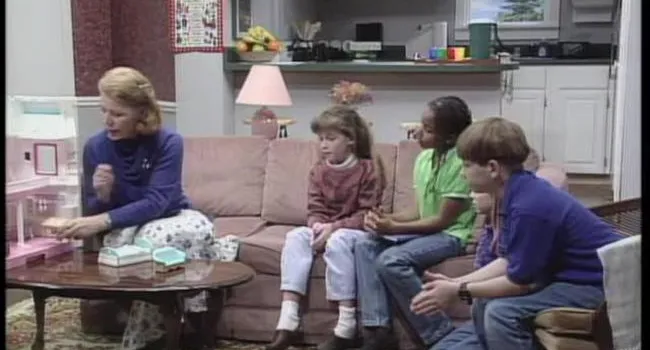
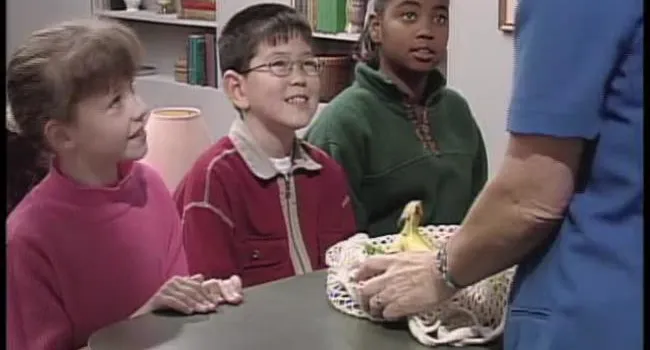
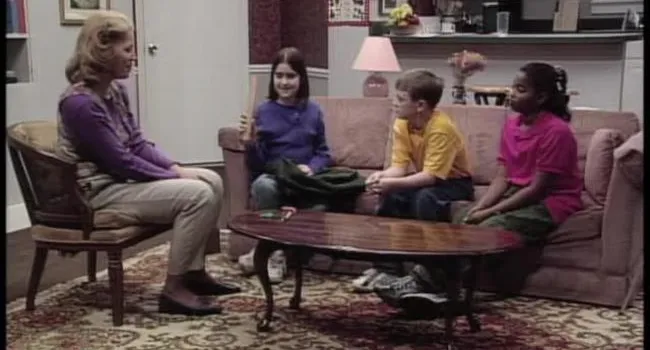
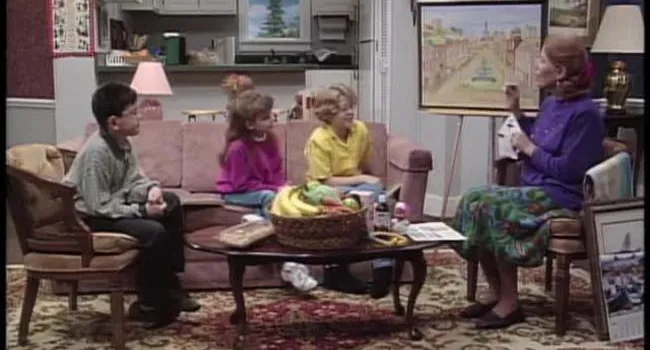
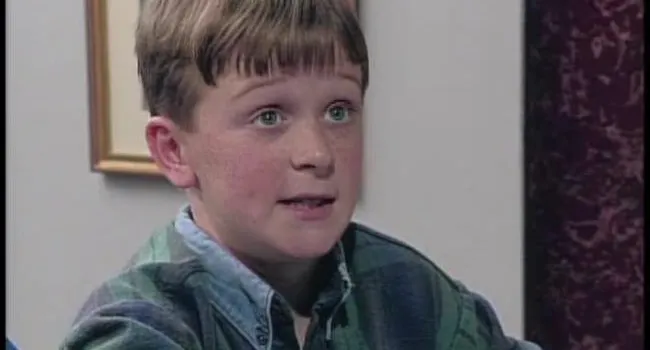
Frau Falcone shows the children a letter from her cousin in Germany. With the use of a picture of a German-style town, Frau Falcone explains that her cousin had to go to the post office to mail the letter. Mailboxes in Germany are yellow instead of blue. She points out several different buildings, and she gives their uses (i.e. at the movies (Kino), films are seen, and popcorn is served, at the bakery (Backerei), Sean can buy sweets). Frau Falcone asks the children which day they go to church. They tell her that they go to church on Sunday. Frau Falcone explains that Sunday is the last day of the week on the German calendar. They discuss the days of the week that one attends school, etc.
Frau Falcone gives the children some money. She asks them questions about where one would go in order to do certain things. For example, where do you go when you are hungry? She tells them that they can get food at the restaurant or at the café. She asks them about where clothes are bought, and she also inquires about where books are bought, and not borrowed.
Frau Falcone mentions several activities that one can do on Saturday, and then she allows them to choose an activity. The children pick up an item that pertains to what they want to do, and then discuss it with Frau Falcone and the others. Lindsay chose popcorn because she wants to go to the movies. Deborah chose a picture because she wants to go to the Museum. Sean bends over like his stomach hurts. Frau Falcone tells him that he needs medicine from the Pharmacy (Apotheke), so Lindsey gives him some. They review where they want to go one more time. Now, Sean wants to go to the Bakery. They play a game where each person pulls an item out of a bag and tells where they might obtain that item. Finally, they review objects and places in the community.
Grade(s):
- Pre K
- Kindergarten
- 1
- 2
Subject(s):
Recommended Technology:
Other Instructional Materials or Notes:
Vocabulary
| house | das Haus |
| school | die Schule |
| restaurant | das Restaurant |
| store | das Geschaeft |
| cinema | das Kino |
| theater | das Theater |
| bookstore | die Buchhandlung |
| hospital | das Krankenhaus |
| hotel | das Hotel |
| pharmacy | die Apotheke |
| church | die Kirche |
| museum | das Museum |
| coffee shop | das Café |
| supermarket | der Supermarkt |
| market | die Markt |
| bank | die Bank |
| post office | die Post |
| bakery | die Baeckerei |
| library | die Buecherei |
| letter | der Brief |
| money | das Geld |
Lesson Progression
Before Viewing the Video Lesson
1. Review previous vocabulary words. In this lesson, the words pertain to food, clothing, and counting, and they should be used in context.
2. Discuss the stores and buildings in your community. Do you live in a large city or a small town? Even if you live in a large city, there are probably many different stores and service buildings that are located in your neighborhood. Use a small area in the discussion about a “town”. What types of buildings are found in your "town?" Why are they located where they are? Are they convenient in respect to where people live? Can people get everything that they need near their homes?
3. Tell the students that they will view different types of buildings found in a small German town. They will learn the words for these buildings and its purpose. Listen for familiar sounding words, and see if they mean what we think they mean.
4. Show the students some currency from a German-speaking country. You can get international money from several banks in the United States. You can also purchase play money from foreign language educational supply stores. Discuss the differences between the foreign currency and American currency, such as size, color, etc.
5. Discuss the differences between grocery shopping in Germany verses the United States.
Follow-up Activities
1. Use the First Step auf deutsch Again video lesson to review the emphasized vocabulary and conversations.
2. Review the vocabulary words associated with the shops and buildings of a German town. Ask questions about these stores and what is sold there.
3. Draw a map of your community or of a small German town. Label the buildings with the appropriate German words. This would be an excellent opportunity to review map-making skills while reviewing the vocabulary.
4. Count money the same way it was shown during the program. Use play German money, or make money for the students to use. Use this money to purchase objects from imaginary stores.
5. Finally, view the video again so that students can respond and practice with the video.
Supplemental Activities
1. Build a German village using boxes, or draw the buildings, and tape the papers together to form the village. Several students can work together, and they can be responsible for certain buildings. One group can create the city-center and another group can outlay the roads in the towns and get things ready for the buildings.
2. When the village is complete, let the students give tours of their town to each other or to other classes. Let them pretend that they are tour guides for the town hall, and their job is to show tourists around their town.
3. Discuss the differences associated with addressing letters overseas. Also, discuss how to mail a letter overseas. If an inter-school mail system exists, then use an overseas address for your classroom.
4. Learn German dances. The PE and/or Music teachers may be able to help with this activity. German music is available at music stores and other stores that sell audiotapes or CDs.
5. Discuss the currency of various countries and the differences that exist. Look for books that show money from different countries. Why do differences exist even amongst Germanspeaking countries? Who issues the money? Each country has a different government, and the government issues the money. Therefore, there are bound to be differences amongst the German-speaking countries. In Europe, there are plans to have a common currency for all countries. This unit of currency is called the Euro. Do the students think people will like or dislike this common currency?
Remember to use the vocabulary words as much as possible in class during the next week. Add words and materials to the First Step auf deutsch suitcase folder.
Teacher Notes
Culture
Many German towns and villages are built around a city-center. In the city-center, there is usually a town hall, a city fountain (which was the city drinking water during the middle ages), shops, restaurants, bakeries, and on certain days of the week, a fresh produce and flower market. There is usually a small fresh market that is in the city-center daily. Twice a week, on one weekday and every Saturday, local farmers and merchants set up a large open-air market in the city-center. They bring fresh vegetables, fruit, eggs, cheese, and milk from the local farms. There are also large flower stands set up for people to buy beautiful, freshly cut flowers for their homes. Although there are supermarkets in Germany, many people still go to the market (Markt). On Saturday morning, they go to the market to buy the freshest items available and to socialize and see their friends. Families also use this time to have a nice breakfast or lunch together at one of the local cafes or restaurants.
Also in Germany, there are individual stores for different types of food. For example, meat is bought from the Metzgerei (meat store), baked goods from the Backerei (bakery), and vegetables from the Gemusehaendler. These shops are also found throughout the city-center for walking convenience.
Supermarket shopping in Germany is also very popular. This is especially true for items that do not need to be as fresh, such as bottled and canned goods, mustard, mayonnaise, etc. In the supermarket, several types of food are located under one roof (meats, dairy, produce, etc.), but the freshest food is bought from the local farmers and merchants at the markets.
In Germany, there are several places to eat, such as restaurants, cafés, and “Konditorein.” A restaurant is a place where complete meals are served, a café has lighter fair and sweets, and the Konditorei has pastries, cakes and coffees. The Konditorei is often an elegant meeting place for coffee with friends. Germany has several fast food restaurants, such as McDonald’s and Burger King.
In Germany, there is a definite distinction between going to the movies and going to the theater. In German, “Theater” is a place where live plays are performed, and “Kino” is the place where films are shown.
First Step auf Deutsch 108: Walking Through the Community
German vocabulary words to be used for buildings and people when visiting in the community.
View Asset