Discrimination in 20th Century

: Explain the practice of discrimination and the passage of discriminatory laws in the United States and their impact on the rights of African Americans, including the Jim Crow laws and the ruling in Plessy v. Ferguson.
Lesson Created By: LaurenBenton, Jarvais Jackson, CEEAAS teacher
Lesson Partners: Center for the Education & Equity of African American Students (CEEAAS)
Essential Question
1. What is discrimination and who worked to fight against discrimination?
2. Was discrimination legal? What laws impacted its legality?
Grade(s):
- 5
Subject(s):
Recommended Technology:
Other Instructional Materials or Notes:
Literature:
White Water by Michael Bandy
The Other Side by Jacqueline Woodson
The School Is Not White! by Doreen Rappaport;
New Shoes by Susan Lynn Meyer
Newsela.com articles:
Primary Source: Plessy v. Ferguson
Jim Crow and the Great Migration
Lesson Progression
Day 1: Discrimination and Plessy v. Ferguson
What is Discrimination?
In an open discussion with students, ask students whether they have ever felt like they have been treated unfairly? This discussion will lead to the conversation of what discrimination is.
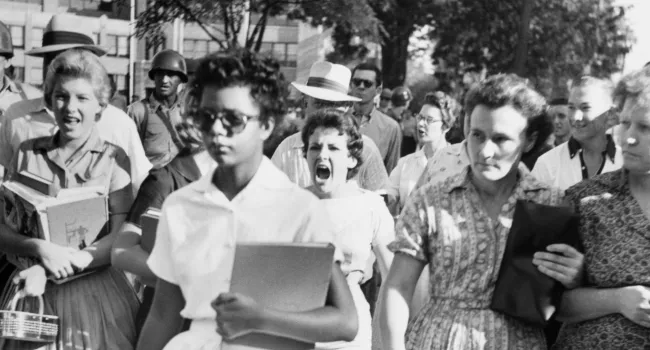
Discrimination is unfair treatment of one particular person or group of people. Usually the different treatment is because of the person’s sex, religion, nationality, ethnicity (culture), race, or other personal traits. Discrimination based on race is called racism.
(Britannica Kids)
Quick Write:
Think about a time where you were discriminated against. How did it make you feel? How did you respond?
Discrimination was Legal
Read Article from NewsEla (Attachment 1)
Response to Article
Write a short response to summarize the disagreement between any two people or organizations in the article. If you were to support the claims made by only one of these parties, who would it be? Why?
Class Discussion
“states passed laws that made racial inequality legal.”
- What does this mean? What states where these laws happening in?
Map of Educational Segregation (Attachment 2)
Why do you think Plessy was counted as black, even though he was only one-eighth black?
- Plessy says that laws separating races treat blacks as lesser people. If this is so, it is not because of anything in this law. It is because the colored race chooses to believe it is so.
What are some freedoms we have now? Are all citizens able to access those freedoms equally?
Day 2: Discrimination and Jim Crow Laws
Review of Discrimination and Plessy v. Ferguson
Jim Crow Laws
Article from NewsELA (Attachment 3)
Significance: Why is the event described in the article taught in schools today? What are the lasting lessons that we can learn from studying this event? Support your response with evidence from the text.
Day 3 Trailblazers in Education Discrimination
In groups, have students research Julius Rosenwald, Booker T. Washington, Benjamin E. Mays, or Mary McLeod Bethune. In there research, students will be looking for:
· What discrimination did they or people around them encounter?
· What did they do to dismantle or fight against discrimination?
· What was their overall role in education? Accomplishments?
· What were schools like during their time in education?
Students can compile and present their information in any way they would like
As a class, discuss the similarities and differences between the individuals. What might education be like if they did not do the work they did?
Standards
- 5-1 The student will demonstrate an understanding of Reconstruction and its impact on the United States.