Kabuki Theater (1600 A.D.) | Kids Work!

Kabuki (ka-bu-ki) is a form of theater in Japan that began in the early 1600s and is still performed today. This traditional theater uses extravagant makeup and costumes, a unique kind of music and an all-male cast. A woman named Okuni (O-kun-i) created Kabuki Theater, but shortly after it became popular, women were banned from performing.

The plays, based on legends, open and close with the sound of wood clapping together. The style of music in Kabuki Theater is named for a three-stringed instrument called a shamisen (sham-i-sen). The music enhances the actors’ movements and voices, making them almost like dancing and singing. During climactic moments in the play or at the end of a scene, the actor freezes in place, stares and then crosses his eyes. This is called mie (mi-e) . Each Kabuki character wears colorful costumes and has thick makeup that looks like a mask. The color red on a character’s face signifies a “good” character and blue suggests a “bad” character. All of these elements have made Kabuki Theater a traditional art form that has entertained audiences for over 400 years.

---

Image Credit:  Public Domain - Shibai Ukie ("A Scene from A Play") by Masanobu Okumura (1686–1764), depicting Edo Ichimura-za theater in the early 1740s (source - Wikipedia)
More in this Series

Kids Work! / Theater - Kids Work! / History of Theater

History of Theater: Intro | Kids Work!

Document

Grades

  • 3
  • 4
  • 5
History of Theater: Intro | Kids Work!
Episode 1
The word theater means a “place for seeing,” but theater is more than just a building where plays are performed. It’s the whole idea behind what happens there. Theater is where playwrights write...
Ancient Theater (600 B.C. - 410 A.D.)  | Kids Work!

Document

Grades

  • 3
  • 4
  • 5
Ancient Theater (600 B.C. - 410 A.D.) | Kids Work!
Episode 2
The first recorded form of European theater began in Ancient Greece around 600 B.C. with a religious festival to honor Dionysus (Di-on-i-sus), the god of wine and fertility. It has been said that a...
Medieval Theater (500 - 1200 A.D.) | Kids Work!

Document

Grades

  • 3
  • 4
  • 5
Medieval Theater (500 - 1200 A.D.) | Kids Work!
Episode 3
Theater buildings were not permitted throughout Europe during medieval times, but traveling players, known as minstrels, kept the theater alive along with acrobats, puppeteers, jugglers and...
Renaissance Theater (1300-1600 A.D.) | Kids Work!

Document

Grades

  • 3
  • 4
  • 5
Renaissance Theater (1300-1600 A.D.) | Kids Work!
Episode 4
In the Renaissance (Re-nais-sance) period, from the fourteenth to the seventeenth centuries, an interest in classical Greek and Roman art, culture and theater returned. Two major theater design...
Community Theater | Kids Work!

Document

Grades

  • 3
  • 4
  • 5
Community Theater | Kids Work!
Episode 6
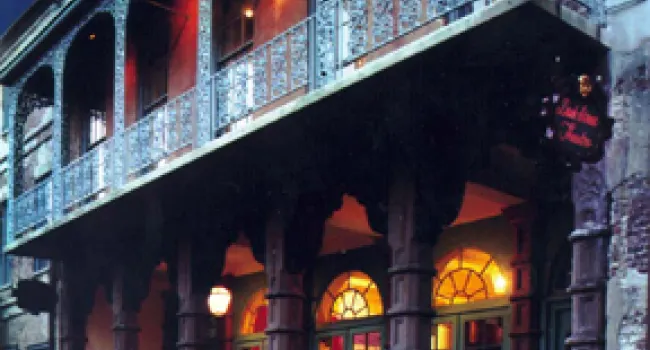
In 1736, the Dock Street Theatre in Charles-Towne, South Carolina was the first building in America created solely for theatrical purposes. Nobody knows exactly what happened to the first building...