The first American television broadcast was exhibited at the 1939 World’s Fair in New York City. The fair’s theme was “Worlds of Tomorrow” and RCA set up twelve televisions, which broadcast events that were taking place at the fair. Millions of amazed people viewed television for the first time.
It wasn’t until after World War II that television sets and a variety of programming would be available in most American households. By the mid 1940s, the number of television stations grew. People could watch live shows like “The Texaco Star Theater” starring Milton Berle or “Uncle Miltie” as he was know by his fans. Shows like “The Jack Benny Show” and “Dragnet” were borrowed from network radio and transformed into television shows. Televisions were expensive and could cost almost as much as a car.
The 1950’s are considered “The Golden Age of Television.” Television sets were becoming more affordable and stations popped up in many parts of the United States. Suddenly, there were many more popular programs to watch. Like radio, television created new stars and featured variety shows, situation comedies, news, sports, dramas and children’s shows. Among the most popular were sitcoms like “The Honeymooners” with Jackie Gleason, “I Love Lucy” with Lucille Ball and children’s programs such and “Kukla, Fran, and Ollie” and “Howdy Doody,” and westerns like “Gunsmoke”.
Until the 1960s all American television networks were commercial. In 1967, the United States Congress established the Corporation for Public Broadcasting (CPB) to help finance and direct the Public Broadcasting Service (PBS). Ten years earlier, in 1957, the South Carolina General Assembly gave permission to Henry Cauthen and Lynn Kalmbach to study and begin using television in South Carolina’s public schools.
Cauthen had a lot of support because his goal was to use telecommunications to improve education for South Carolinians. In 1960, the South Carolina Educational Television Commission was created. Public school teachers and South Carolina state agencies began to use the services of ETV. Now ETV broadcasts PBS Kids shows like Odd Squad, Nature Cat and Ready Jet Go!
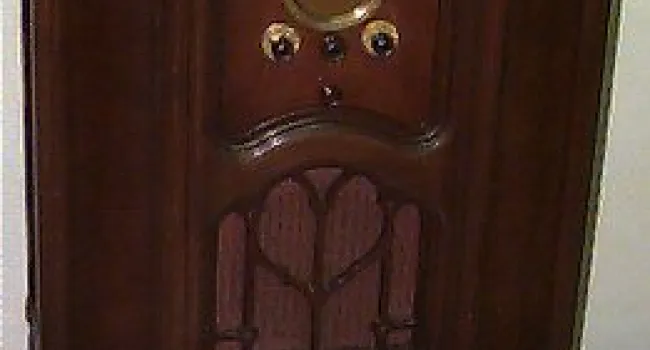
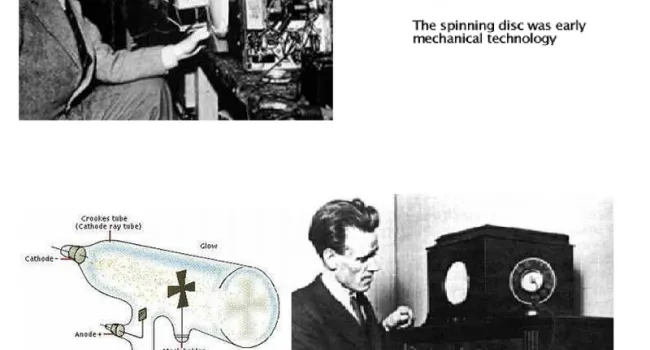
Pictured above from left to right: ETV broadcast from Dreher High School, The "Ed Sullivan Show" was the longest running varietty show in television history (1948-19710) and an old Phillips Television (WIkipedia Public Domain).